
How to Choose Buddhism Jewelry That Matches Your Spiritual Style
Discover how to choose Buddhism jewelry that resonates with your beliefs and style. Explore types, materials, and symbolism to find the perfect piece.
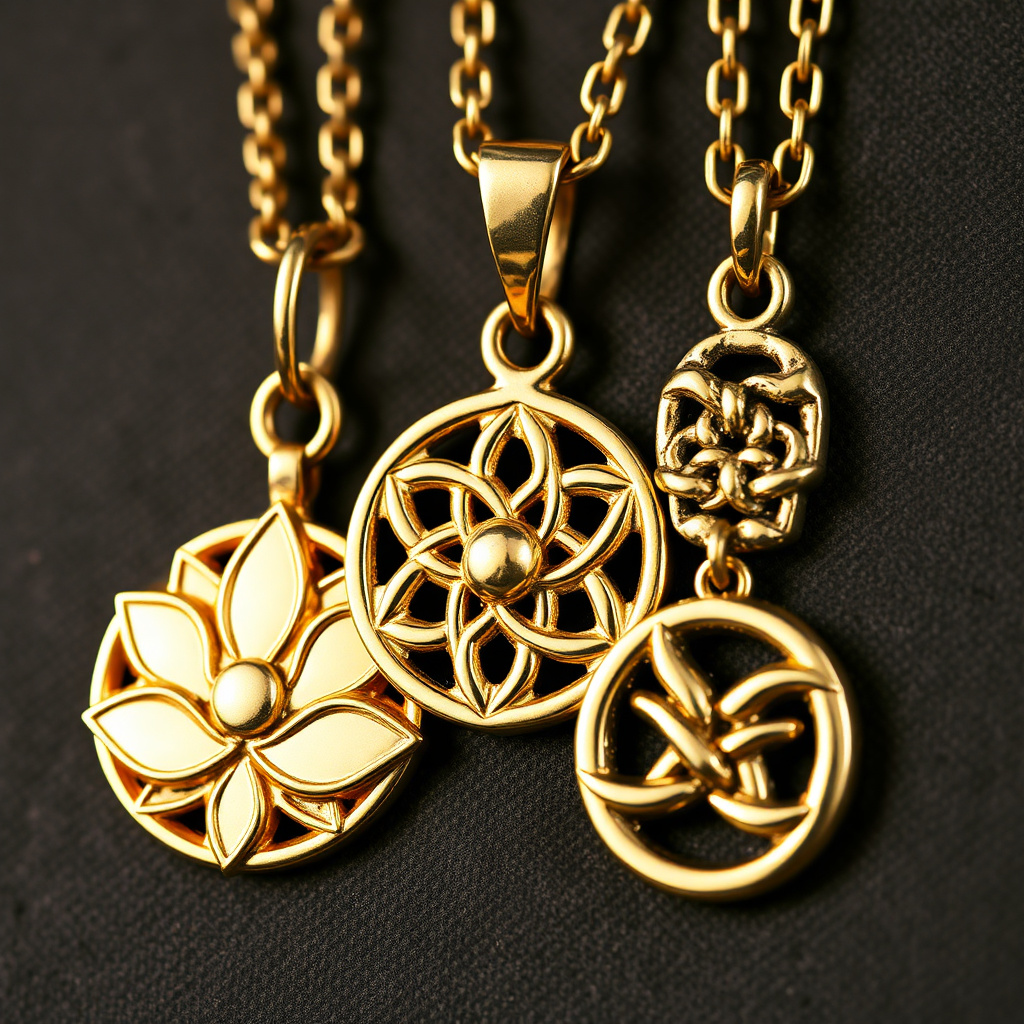
Buddhism jewelry serves as a meaningful accessory, carrying spiritual significance and connecting wearers to Buddhist teachings. Choosing the right piece involves understanding the symbols, materials, and intentions behind the jewelry to ensure it aligns with your personal beliefs and aesthetic preferences.
Such jewelry can range from simple mala beads to intricately designed pendants featuring lotus flowers, prayer wheels, or the Endless Knot. Wearing these pieces not only reflects devotion but also provides a gentle reminder of mindfulness and compassion in daily life.
This article will guide you through the various types of Buddhism jewelry, their symbolic meanings, popular materials used, considerations when buying, and tips on maintaining your sacred items. You'll also find a comparison of the most common categories of Buddhism jewelry to help you make an informed choice.
Understanding Common Buddhism Jewelry Symbols
Lotus Flower and Its Spiritual Meaning
The lotus flower is a prevalent symbol in Buddhism jewelry, representing purity, enlightenment, and rebirth. It grows in muddy water but blossoms unstained, symbolizing the ability to rise above suffering and impurity.
Jewelry featuring lotus designs often serves as a reminder to cultivate inner peace and remain resilient amid life's challenges.
The Dharma Wheel and Endless Knot
The Dharma wheel, or Dharmachakra, symbolizes the Buddha's teachings and the cycle of birth, life, and death. It's widely featured on bracelets and pendants to evoke guidance on the spiritual path.
The Endless Knot represents the interconnectedness of all things across time and space, a key Buddhist concept highlighted in many pieces of Buddhism jewelry.
Types of Buddhism Jewelry
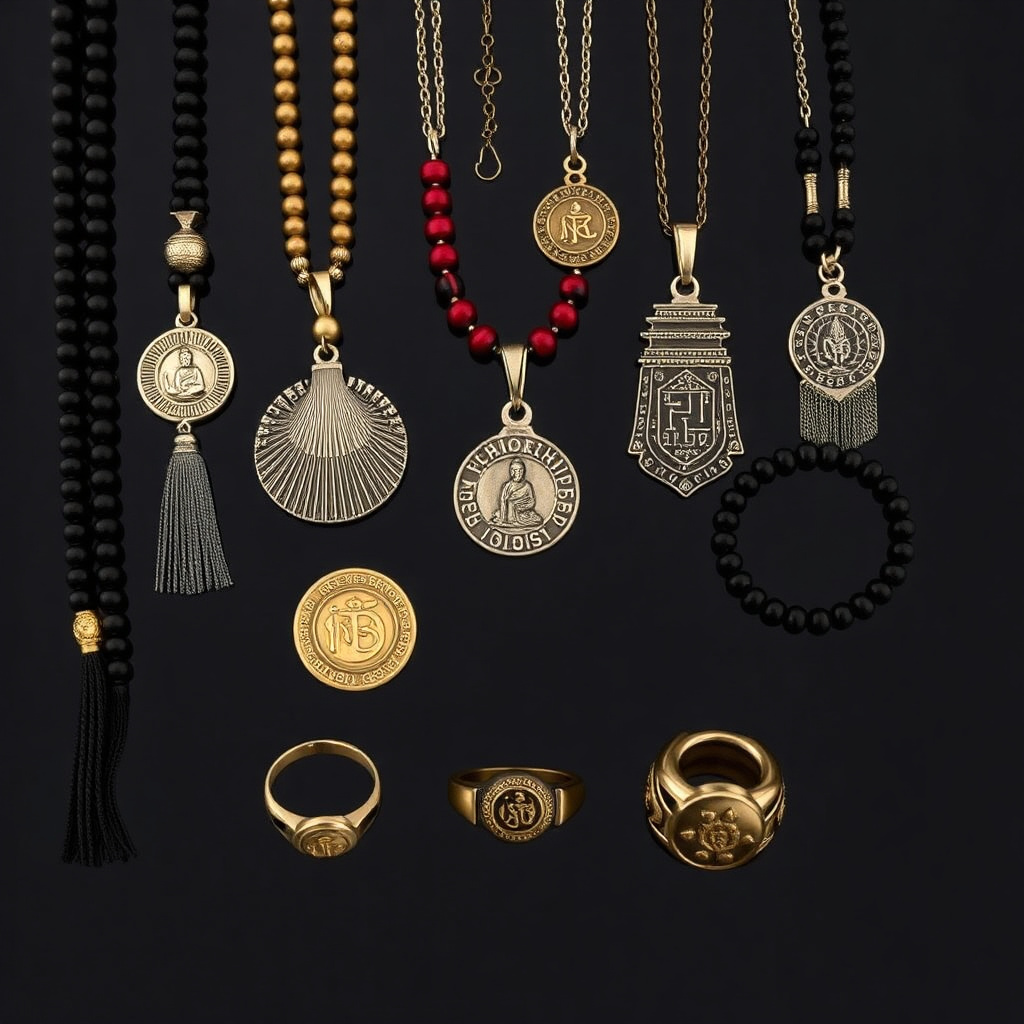
Mala Beads as a Meditation Tool
Mala beads are a traditional string of 108 beads used for counting mantras during meditation. They are both functional spiritual tools and wearable symbols of Buddhist practice.
Modern mala beads come in materials like sandalwood, rudraksha seeds, and gemstones, each lending distinct properties thought to support meditation.
- 108 beads for mantra repetition
- Materials convey different energies
- Often worn as necklaces or bracelets
Symbolic Pendants and Bracelets
Pendants and bracelets often feature Buddhist icons such as the Om symbol, Buddha statues, or sacred animals like lions and elephants. These items blend artistry with devotion.
They can be subtle everyday reminders or elaborate statement pieces depending on personal preference.
Choosing Materials for Buddhism Jewelry
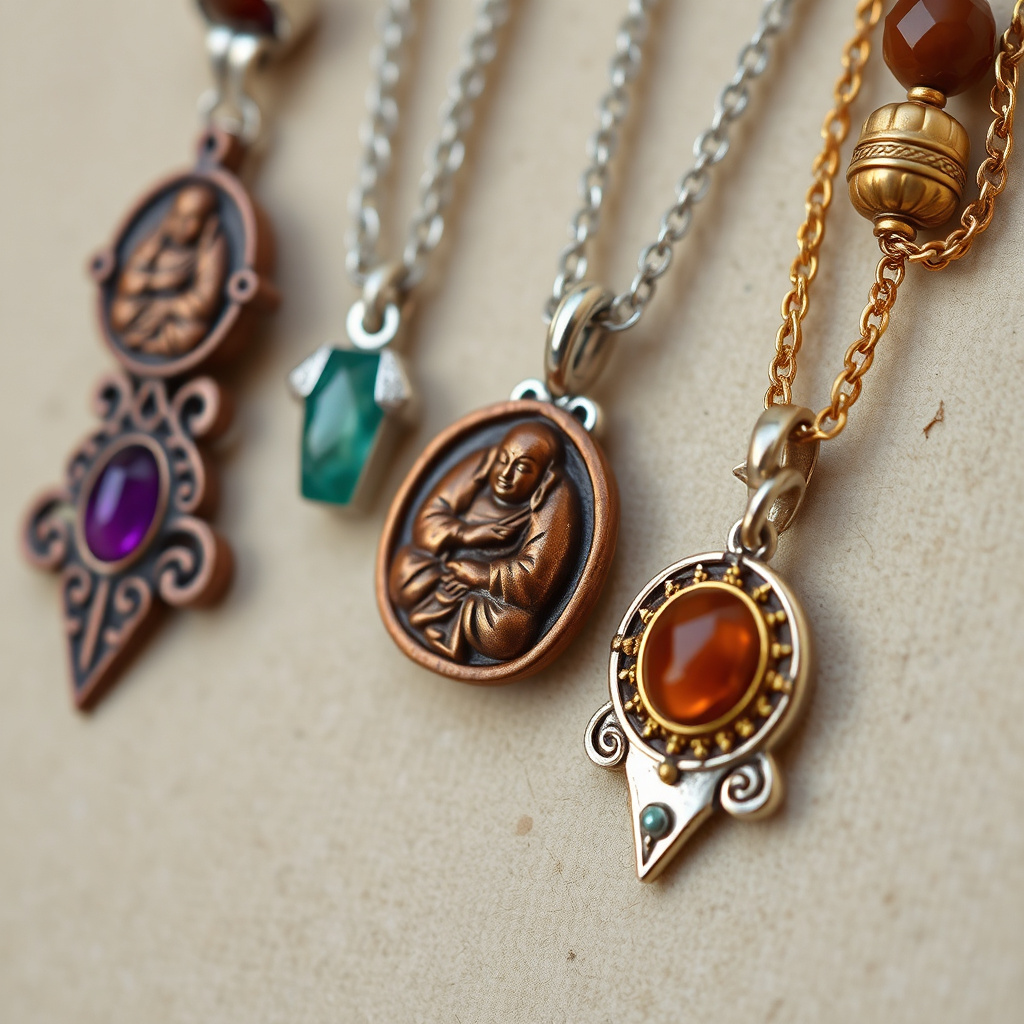
Natural Materials: Wood and Seeds
Wood and seeds like sandalwood or rudraksha are popular in Buddhism jewelry due to their grounding properties and natural origins. They evoke simplicity and respect for nature.
These materials are lightweight, comfortable for daily wear, and often hold traditional importance in Buddhist cultures.
Precious Metals and Gemstones
Silver and gold are used in higher-end Buddhism jewelry to signify value and durability. Gemstones such as jade, amethyst, and turquoise can symbolize healing qualities and spiritual growth.
Choosing these materials can add a timeless elegance alongside spiritual meaning.
- Silver promotes calm and clarity
- Gold represents wisdom and enlightenment
- Gemstones bring specific energies and symbolism
How to Select Buddhism Jewelry That Matches Your Style
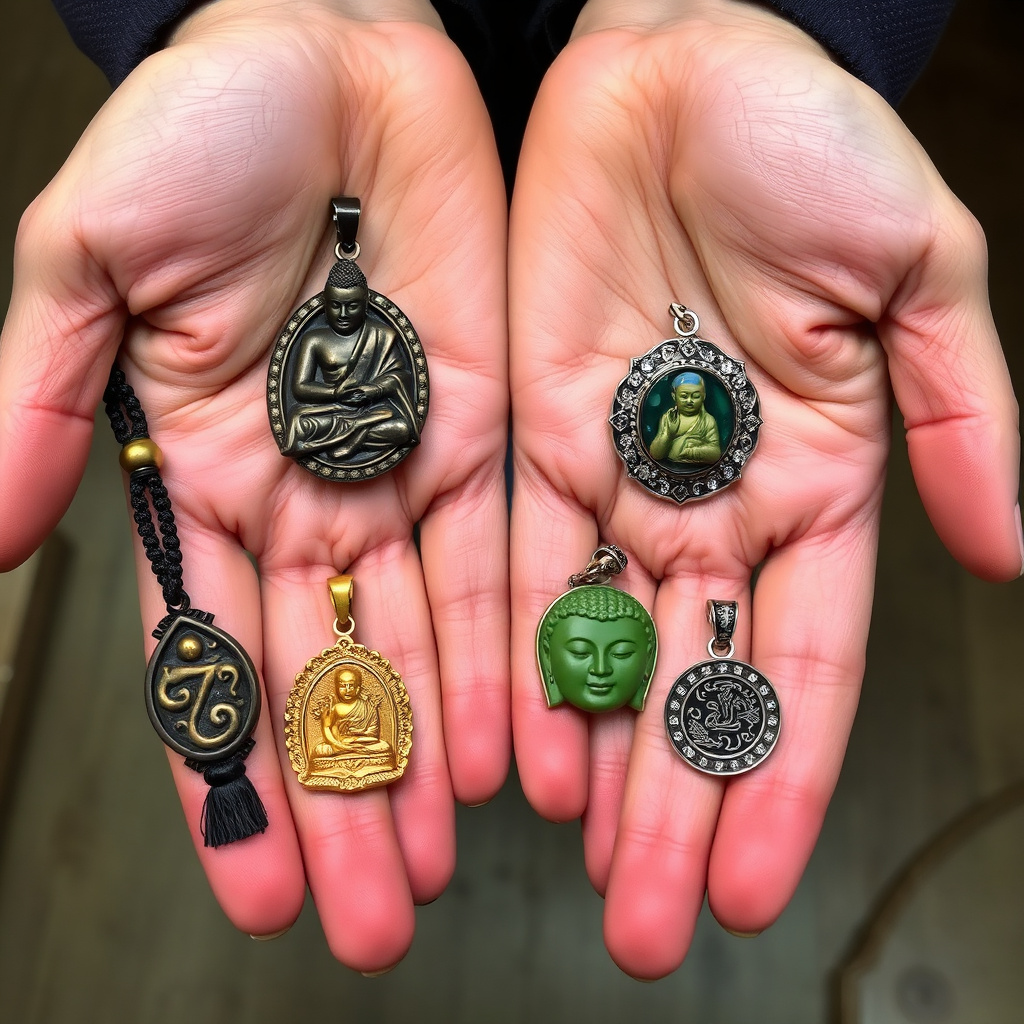
Matching Jewelry to Your Spiritual Intentions
Consider what aspect of Buddhism resonates most with you before choosing a piece—whether it's mindfulness, compassion, or protection. This focus can guide you to symbols and materials that support your spiritual practice.
For example, mala beads work well for meditation practitioners while symbolic pendants might suit those seeking a constant reminder of Buddhist values.
Incorporating Buddhism Jewelry Into Daily Wear
Buddhism jewelry can either be subtle or prominent based on your lifestyle and wardrobe. Simple bracelets or rings integrate easily, whereas larger pendants might be reserved for special occasions or meditation sessions.
Selecting pieces that harmonize with your existing style increases the likelihood of wearing them regularly, reinforcing their spiritual benefits.
Care and Maintenance of Buddhism Jewelry
Cleaning Techniques for Various Materials
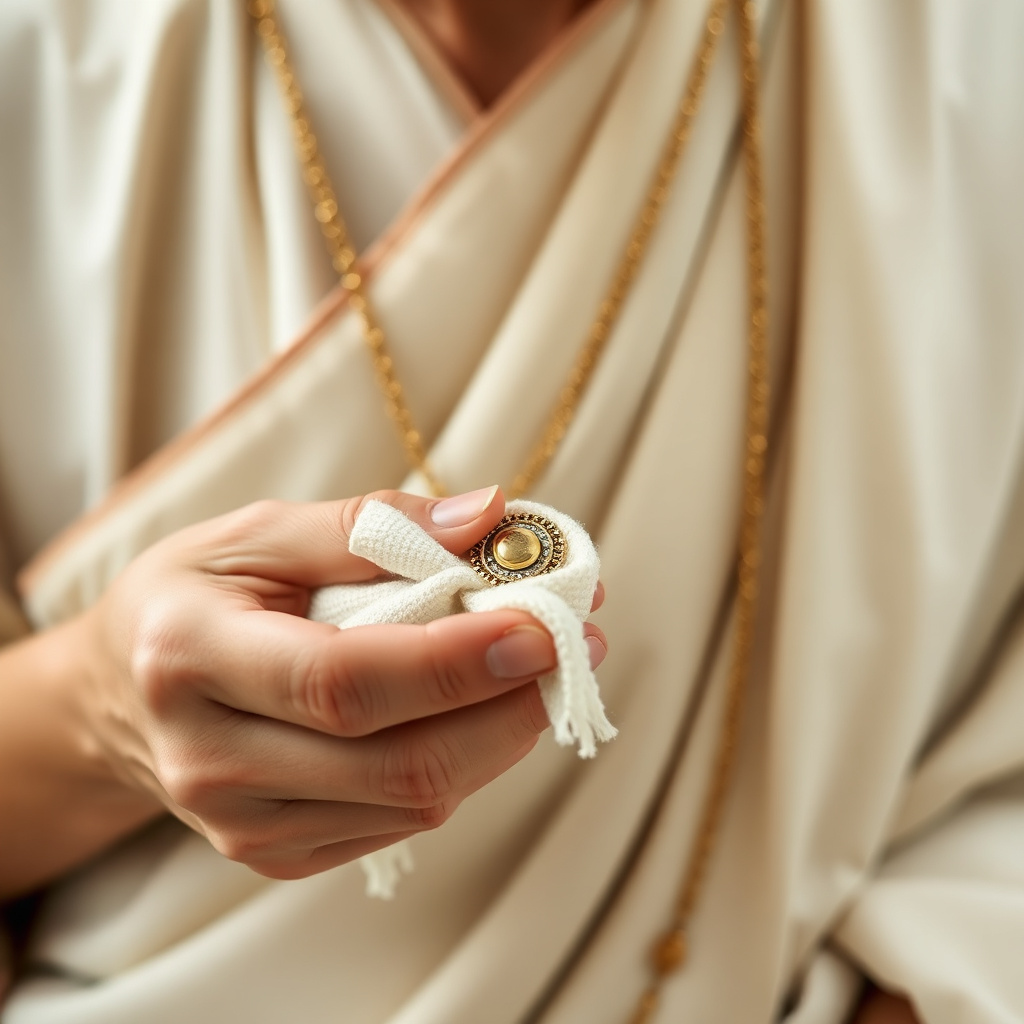
Wooden and seed beads require gentle dusting and avoiding prolonged exposure to water to maintain their natural finish. Metal pieces benefit from occasional polishing with soft cloths to prevent tarnishing.
Gemstone jewelry should be cleaned with mild soap and water, ensuring they are dried thoroughly to preserve their luster.
- Avoid harsh chemicals
- Use soft, non-abrasive cloths
- Store in cool, dry places
Storing Buddhism Jewelry Safely
When not worn, jewelry should be kept in soft pouches or lined boxes to prevent scratches and damage. Separating pieces prevents tangling and wear, especially important for mala beads with stringing that can weaken over time.
Proper storage extends the life and maintains the spiritual integrity of your Buddhism jewelry.
Ethical Considerations When Buying Buddhism Jewelry
Source and Craftsmanship Transparency
Opting for jewelry made by artisans who respect Buddhist principles and use ethically sourced materials supports sustainability and cultural preservation.
Look for certifications or direct information from sellers about how pieces are made and where materials come from.
To learn more about the rich meanings behind Buddhist symbols featured in jewelry, you can visit the Buddhism Wikipedia article. Buddhism Wikipedia article.
Supporting Fair Trade and Local Communities
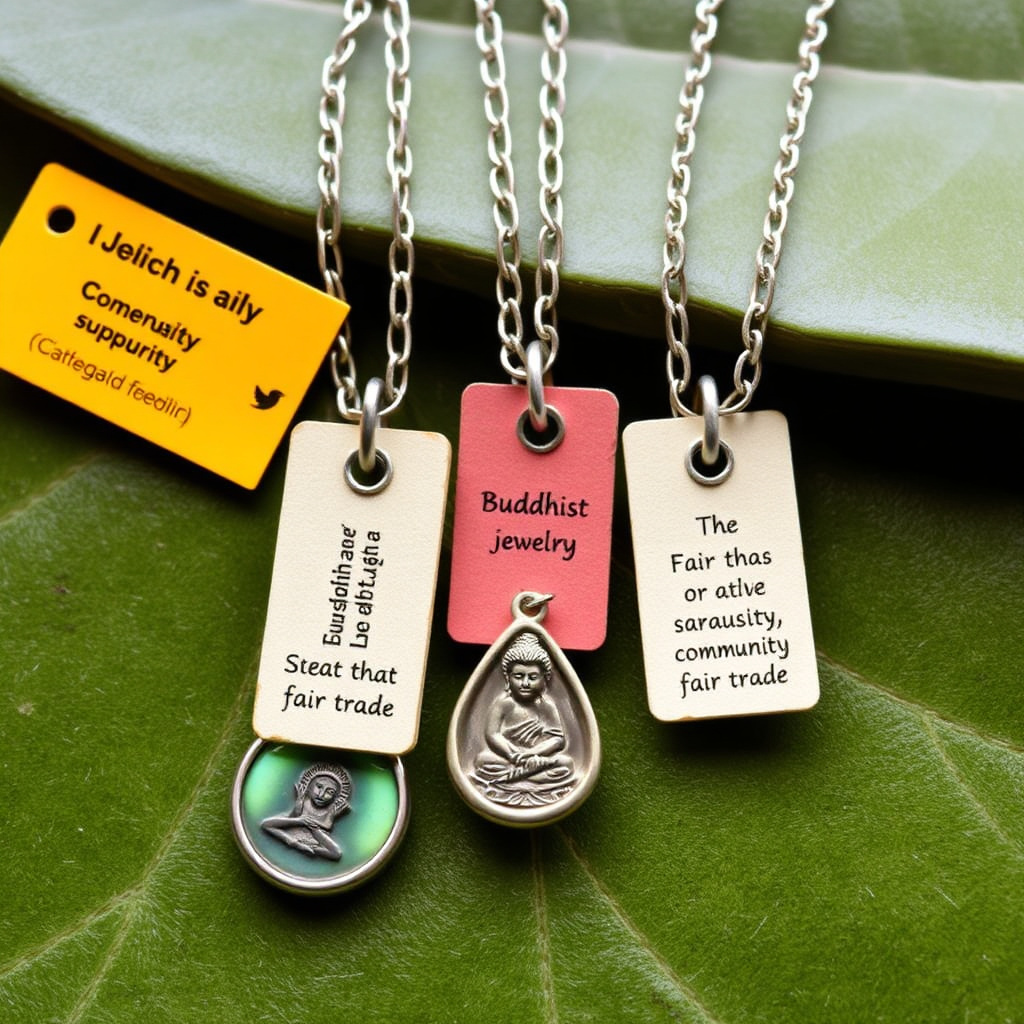
Purchasing Buddhism jewelry through fair trade channels ensures artisans receive fair wages and work in safe conditions. Supporting local communities in Buddhist regions helps maintain traditions and promotes economic well-being.
Such ethical choices add meaningful value to the jewelry beyond its appearance.
Comparison of Buddhism Jewelry Types and Their Uses
Below is a comparison of popular Buddhism jewelry forms, highlighting their characteristics and typical uses to help you choose the right type.
| Category | Primary Use | Common Materials | Symbolism | Wearability |
|---|---|---|---|---|
| Mala Beads | Meditation counting tool | Wood, seeds, gemstones | Mindfulness, focus | Necklaces or bracelets, lightweight |
| Symbolic Pendants | Spiritual reminders | Silver, gold, gemstones | Buddhist teachings, protection | Versatile, from subtle to bold |
| Bracelets | Everyday wear and devotion | Metals, beads, leather | Compassion, strength | Easy to pair with casual outfits |
| Rings | Symbolic commitment | Silver, gold | Eternity, unity | Discreet, constant reminder |
| Prayer Wheels | Ritual focus and blessing | Metal, wood | Blessings, mantra repetition | Usually hand-held but worn as pendants |
Frequently Asked Questions
Can Buddhism jewelry be worn by anyone regardless of their faith?
Yes, Buddhism jewelry can be worn by anyone interested in its symbolism or aesthetic. However, wearing it with respect and understanding of its spiritual meaning honors its cultural significance.
Are mala beads only useful for Buddhists?
While mala beads originate in Buddhist meditation practice, people of any faith or spiritual path may find them helpful for focused meditation, prayer, or mindful breathing.
How can I tell if Buddhism jewelry is ethically made?
Check for transparent sourcing information, fair trade labels, or artisan credentials from sellers. Ethical pieces often highlight sustainability and community benefits in their descriptions.
What materials are best for sensitive skin in Buddhism jewelry?
Natural wood, sandalwood, and hypoallergenic metals like sterling silver or titanium reduce irritation risk, making them good choices for sensitive skin.
Does wearing Buddhism jewelry bring spiritual benefits?
For many, wearing Buddhism jewelry serves as a personal reminder of Buddhist teachings which can encourage mindfulness and compassion, enriching one’s spiritual practice.
Key Takeaways
- Buddhism jewelry combines spiritual symbolism with personal expression.
- Understanding key symbols like the lotus and Dharma wheel enhances connection to pieces.
- Material choice affects both aesthetics and spiritual resonance.
- Ethical sourcing respects Buddhist values and supports artisans.
Conclusion
Choosing Buddhism jewelry requires balancing aesthetics, symbolism, and personal spiritual intentions. By considering the type of jewelry—whether mala beads, pendants, bracelets, or rings—alongside materials and ethical origins, you can select pieces that not only look attractive but also deepen your connection to Buddhist teachings. This thoughtful approach transforms jewelry from simple adornment into meaningful spiritual tools.
If you prioritize meditation, mala beads made from sandalwood or rudraksha offer functionality and traditional significance. For daily reminders of compassion or mindfulness, subtle silver or gold pendants featuring symbols like the Dharma wheel or Endless Knot can be ideal. Those wanting versatile accessories may prefer bracelets or rings crafted from natural or precious materials to reflect both style and spiritual values. Considering ethical sourcing is wise to support artisans and sustain cultural heritage.
Begin your journey by reflecting on what Buddhist principles resonate most with you and explore jewelry categories that embody those ideas. Take your time comparing materials and craftsmanship, and when possible, choose pieces from fair trade or community-minded sources. This process ensures your Buddhism jewelry will be not only beautiful but also meaningful and responsible.