How to Choose Viking Jewelry That Reflects Authentic Norse Heritage
Explore how to choose Viking jewelry that mirrors authentic Norse craftsmanship and symbolism, blending history with modern style.
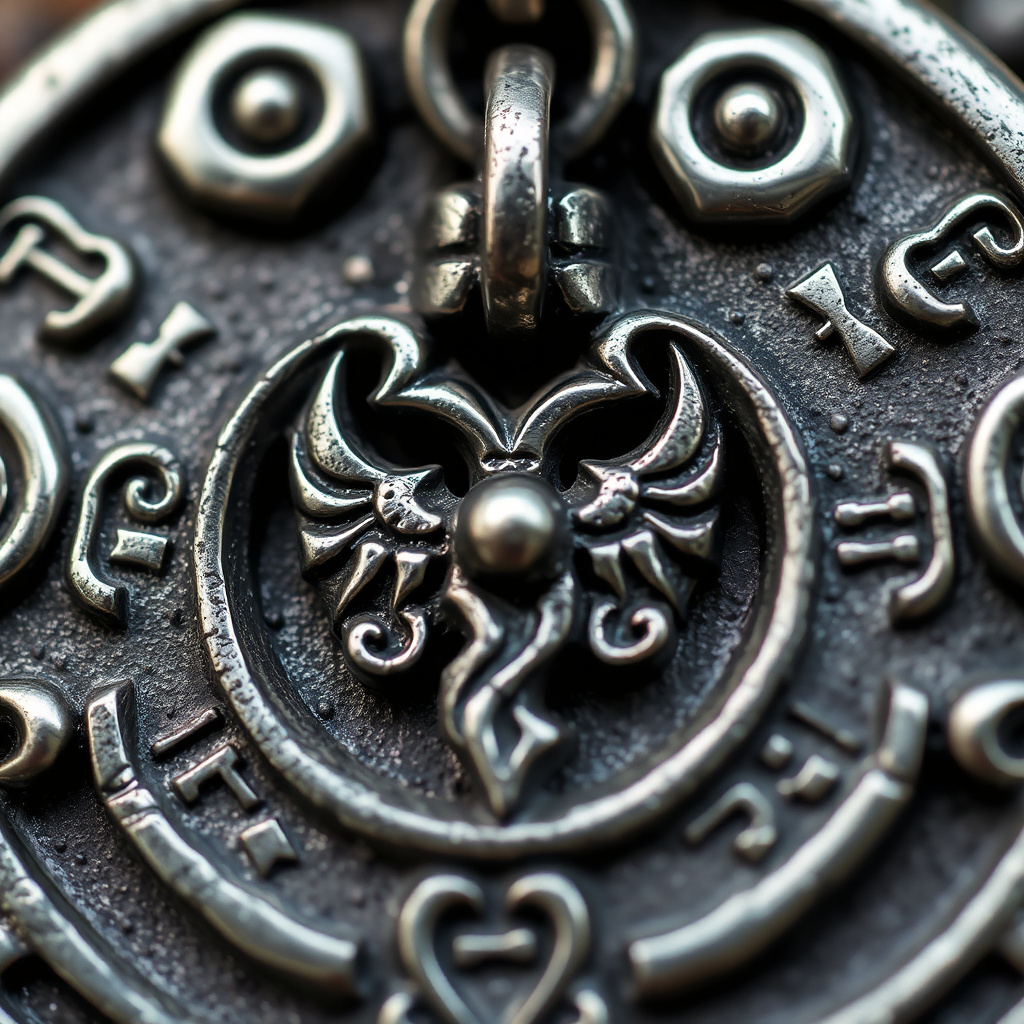
If you want Viking jewelry that truly captures authentic Norse heritage, focus on pieces with historically accurate symbols like Mjölnir pendants, runic inscriptions, and traditional metalwork techniques. Viking jewelry typically includes arm rings, brooches, and rings made from bronze, silver, or gold, reflecting the craftsmanship of Scandinavia’s Viking Age.
Choosing Viking jewelry matters because these items carry deep cultural meaning linked to Norse mythology, status, and identity. Wearing authentic designs connects you to a rich history of seafaring warriors and artisans. Many modern interpretations simplify or alter the original designs, so knowing what defines genuine Viking elements helps you pick meaningful pieces.
This article will cover key aspects such as traditional Viking motifs, materials and methods used in crafting Viking jewelry, different types of jewelry worn by Vikings, how to distinguish authentic designs from replicas, and care tips to preserve your Viking pieces.
Traditional Viking Motifs in Viking Jewelry
Mjölnir: Thor’s Hammer Symbolism
Mjölnir, the hammer of Thor, is one of the most recognized Viking jewelry motifs. It symbolizes protection, power, and consecration. Vikings wore Mjölnir pendants as talismans believed to invoke Thor’s strength and safeguard the wearer.
Authentic Viking Mjölnir designs often feature intricate knotwork or interlaced lines. These pendants were typically made from silver or bronze and varied widely in size and detail depending on regional styles and the wearer’s status.
Runes and Mythological Figures
Runic inscriptions on Viking jewelry conveyed messages, blessings, or names. The Elder Futhark runes were common, with symbols representing concepts like protection, fertility, or victory. Mythological figures like Odin or wolves appear as motifs highlighting beliefs and storytelling in Viking culture.
In Norse jewelry designs, the precise carving of runes demonstrated craftsmanship and was often personalized. Such inscriptions made jewelry both decorative and meaningful, serving as charms or commemorative pieces.
Materials and Craftsmanship in Viking Jewelry
Common Metals Used by Viking Artisans
Vikings primarily used bronze, silver, and occasionally gold to craft jewelry. Bronze was the most common due to affordability, while silver often signified higher status. Gold pieces were rare and reserved for the elite.
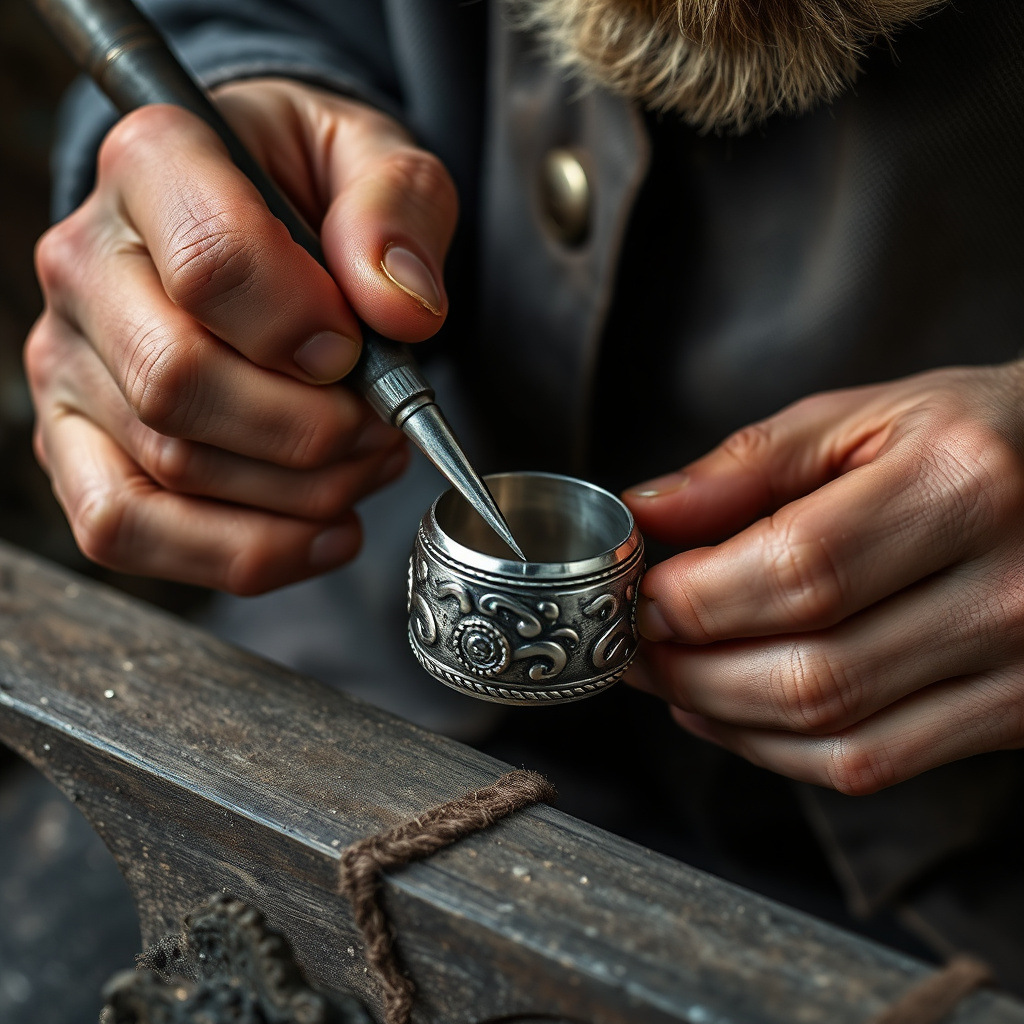
Metal purity and alloy composition reflected available resources and trade. Viking smiths employed techniques like casting, engraving, and filigree to create detailed designs that have endured centuries.
- Bronze: durable and accessible
- Silver: symbol of wealth and prestige
- Gold: rare, used for high-status pieces
Techniques for Authentic Viking Jewelry Crafting
Traditional Viking jewelry was handmade using casting molds, soldering, engraving, and twisting metal wire. Knotwork and animal designs required skilled engraving and attention to symmetry.
Many surviving artifacts show consistent craftsmanship standards, suggesting specialized smiths. Modern replicas aim to mimic these techniques but often lack the subtle imperfections that authenticate handmade Viking jewelry.
Types of Viking Jewelry: Forms and Functions
Brooches and Pins for Clothing
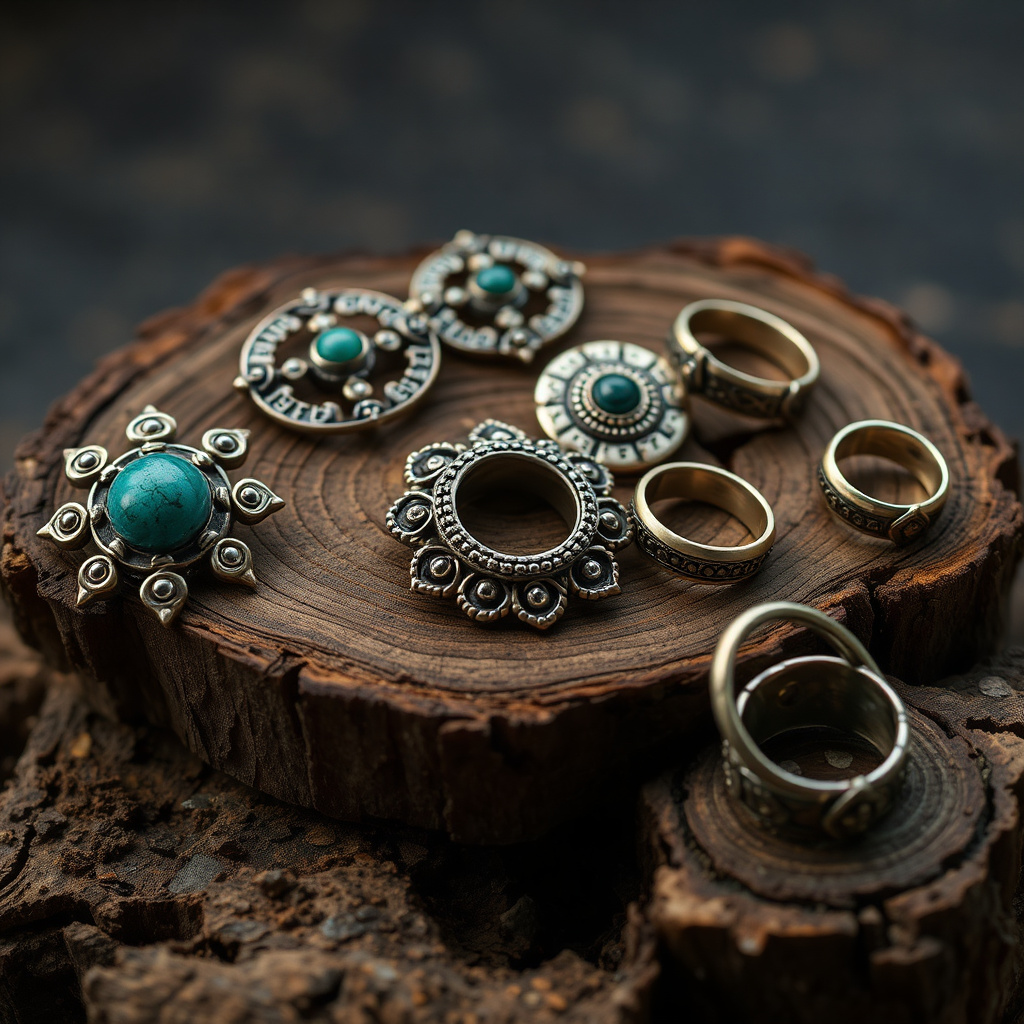
Brooches were both ornamental and functional, used to fasten cloaks and garments. Oval and trefoil brooches are examples of Viking jewelry that showcase decorative motifs while serving a practical role.
These pieces often featured openwork designs and were made from bronze or silver. They indicated regional identity or social rank through size and decoration complexity.
Arm Rings and Rings as Status Symbols
Arm rings signified allegiance, wealth, or accomplishments. Vikings gifted arm rings to warriors as tokens of loyalty and reward. Rings worn on fingers were common and varied from simple bands to elaborate, rune-inscribed designs.
Both were made with durable metals and featured motifs like knotwork or animals. Certain styles are distinct markers of Viking origin in archaeological finds.
Identifying Authentic Viking Jewelry Designs
Recognizing Genuine Craftsmanship
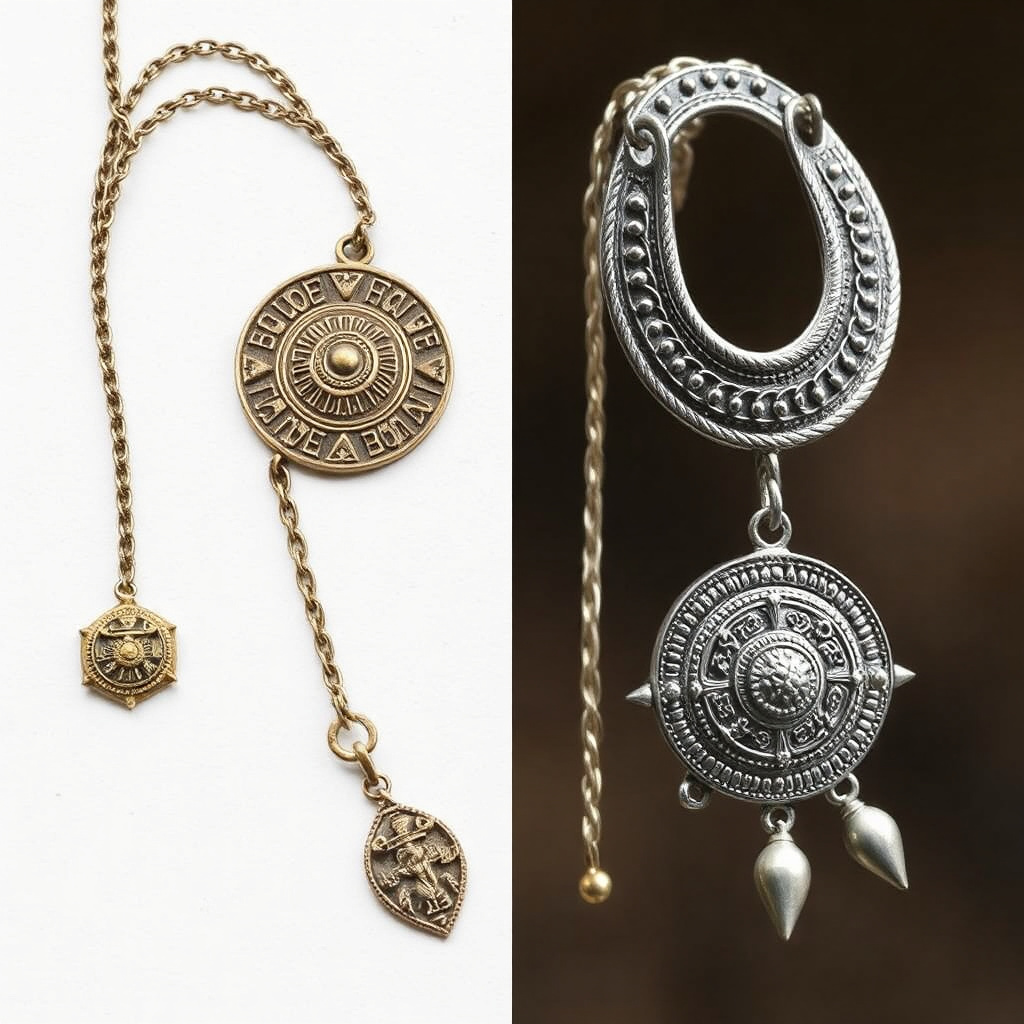
Authentic Viking jewelry often shows signs of hand tooling such as irregularities in engraving or casting, which indicate originality. Precision with overly polished or machine-made details often suggests modern manufacturing.
Materials and patina also provide clues: aged silver or bronze acquires a worn but rich surface not easily replicated artificially.
Common Modern Reproduction Differences
Replicas may simplify complex patterns or use inaccurate runes, lacking historical context. Mass-produced pieces often use cheaper materials and uniform finishes.
Checking provenance, craftsmanship details, and consulting experts or trusted sources can help you avoid inauthentic items.
Caring for Your Viking Jewelry
Cleaning and Maintenance Tips
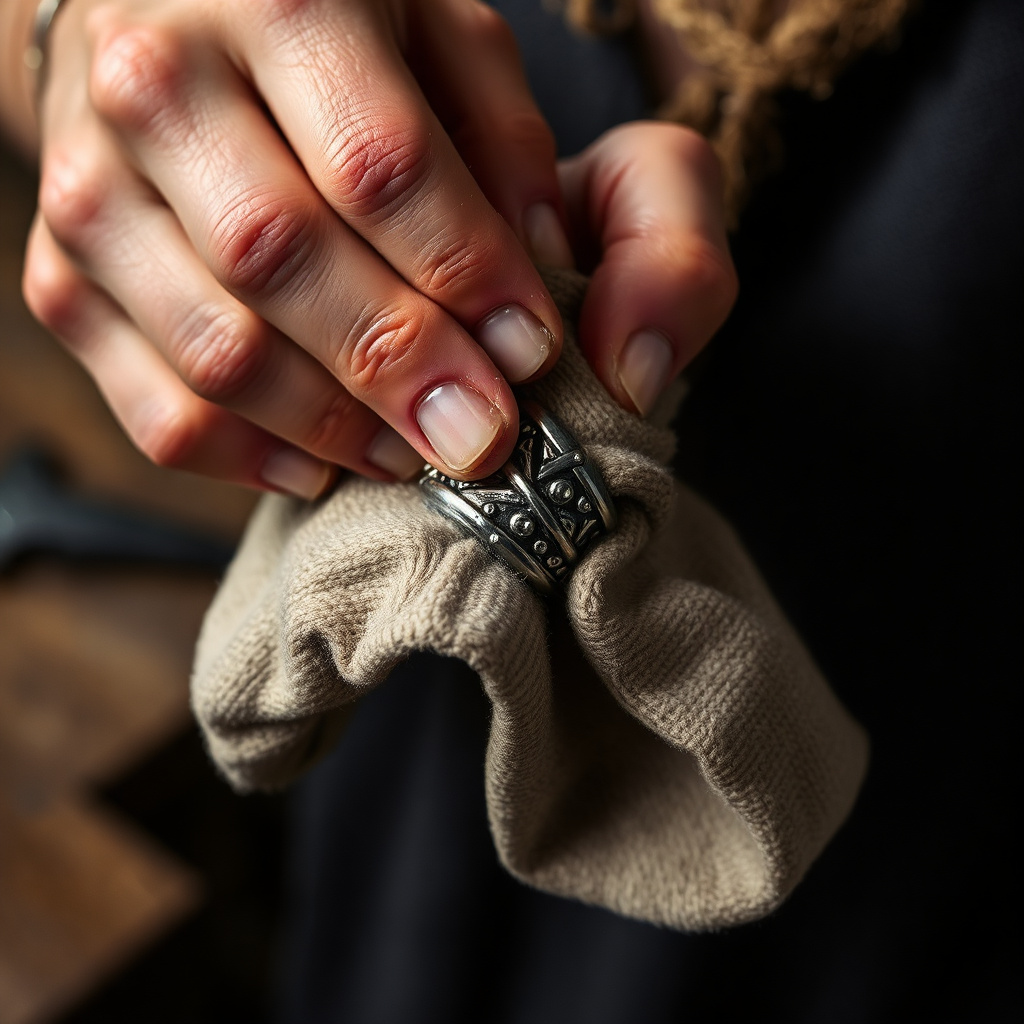
Use gentle cleaning methods such as mild soap with water, soft brushes, and polishing cloths to maintain silver and bronze Viking jewelry. Avoid harsh chemicals that can damage delicate metalwork and patina.
Regular cleaning preserves details and prevents corrosion, especially for pieces worn frequently or exposed to moisture.
- Avoid abrasive materials
- Store pieces separately to prevent scratches
- Use anti-tarnish storage solutions when possible
Storage and Long-Term Preservation
Store Viking jewelry in dry, cool conditions away from direct sunlight to prevent tarnishing and metal fatigue. Using individual pouches or lined boxes reduces damage from contact or dust accumulation.
For valuable or antique pieces, consulting a professional conservator can help maintain the jewelry’s historic and aesthetic value.
Incorporating Norse Jewelry Designs into Modern Style
Mixing Viking Jewelry with Contemporary Looks
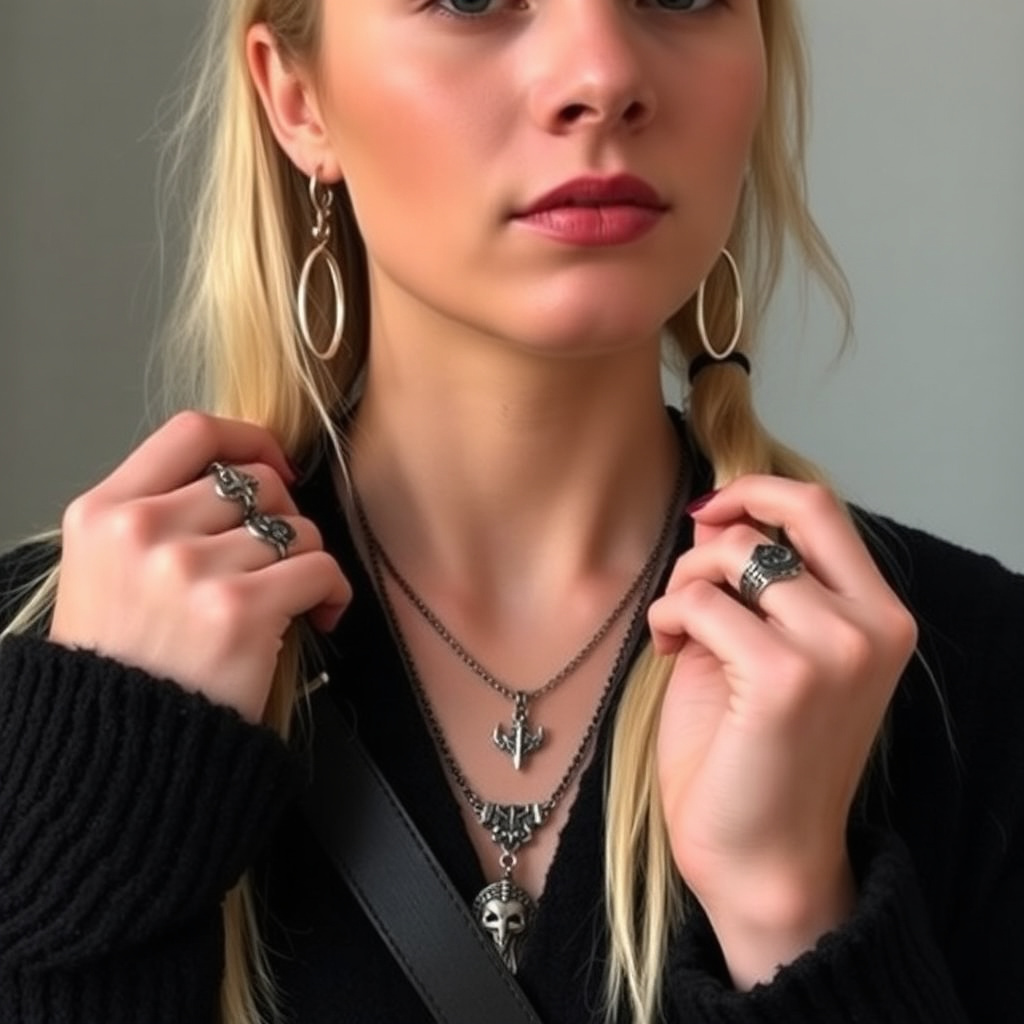
Viking jewelry’s bold yet timeless designs complement casual and formal wardrobes alike. Layering simple arm rings or pairing a Mjölnir pendant with modern metallic accessories creates a stylish blend reflecting Norse heritage.
Choosing understated pieces helps integrate historic Norse jewelry into everyday wear without overwhelming your look.
For detailed historical insights on Viking Age jewelry, the Wikipedia page offers an extensive overview of the period’s metalwork and adornments. Viking Age jewelry.
Choosing Pieces for Personal Expression
Select Viking jewelry that resonates with your interest in Norse culture or personal symbolism. Whether drawn to runes that represent specific traits or iconic figures like Thor, these pieces allow meaningful self-expression.
Exploring Norse jewelry designs offers a connection to ancient traditions while crafting your signature style.
Viking Jewelry Category Comparison
Here’s a comparison of common types of Viking jewelry categorized by materials, symbolism, and typical use cases to help you decide which fits your style.
| Category | Material | Symbolism | Typical Use | Price Range |
|---|---|---|---|---|
| Mjölnir Pendants | Silver, Bronze | Protection, Thor’s Power | Amulet or Necklace | $30 – $150 |
| Arm Rings | Bronze, Silver | Loyalty, Status | Wristwear | $50 – $300 |
| Brooches | Bronze, Silver | Status, Functional Fasteners | Clothing Accessory | $40 – $200 |
| Runic Rings | Silver, Bronze | Personalized messages, blessings | Finger Jewelry | $20 – $120 |
| Gold Viking Pieces | Gold | Elite Status | Various Jewelry Types | $200 – $600+ |
Frequently Asked Questions
What metal was most commonly used in authentic Viking jewelry?
Bronze was the most widely used metal for Viking jewelry due to its availability and durability, while silver was favored for higher-status pieces. Gold was rare and reserved for the elite.
How can I tell if Viking jewelry is authentic?
Authentic Viking jewelry usually exhibits handmade characteristics like irregular engravings, proper historical motifs, and aged patina. Expert verification and provenance help confirm authenticity.
Are Viking runes on jewelry meant to carry specific meanings?
Yes, runes on Viking jewelry often represent words, blessings, or symbolic concepts like protection and victory. These inscriptions personalized pieces and reflected cultural beliefs.
Can Viking jewelry be worn daily without damage?
With proper care like gentle cleaning and avoiding harsh conditions, many Viking jewelry pieces, especially silver or bronze, can be worn regularly without significant damage.
What is the significance of arm rings in Viking culture?
Arm rings symbolized loyalty and reward; Vikings gifted them to warriors as signs of allegiance and esteem. They also indicated social status and personal achievements.
Key Takeaways
- Mjölnir and runic symbols are central motifs in Viking jewelry reflecting Norse mythology.
- Bronze and silver were primary materials reflecting social rank and accessibility.
- Authentic Viking pieces show handmade details and historical accuracy.
- Proper care preserves the beauty and cultural legacy of Viking jewelry.
Conclusion
Choosing Viking jewelry involves balancing aesthetics, authenticity, and cultural significance. Prioritizing pieces that feature traditional motifs like Mjölnir or runic inscriptions made with bronze or silver helps connect with genuine Norse craftsmanship. Understanding the historical context behind each design enriches your appreciation and ensures your collection reflects true Viking artistry.
For those seeking statement pieces, arm rings or brooches with intricate knotwork provide both historical flavor and everyday wearability. Mjölnir pendants serve as powerful symbols, while runic rings personalize your connection to Viking traditions. Whether collecting for cultural heritage or style, selecting categories known for authenticity supports a meaningful choice.
Start by researching trusted sources and reputable artisans specializing in Viking jewelry. From there, consider how you want your jewelry to express identity and history. With care and knowledge, your Viking jewelry can be a cherished adornment carrying stories of Norse warriors and artisans into the modern world.