How to Make Beaded Bracelets with Leather: A Step-by-Step Guide
Learn how to make beaded bracelets with leather through easy steps and tips. Create stylish, durable bracelets perfect for any occasion.
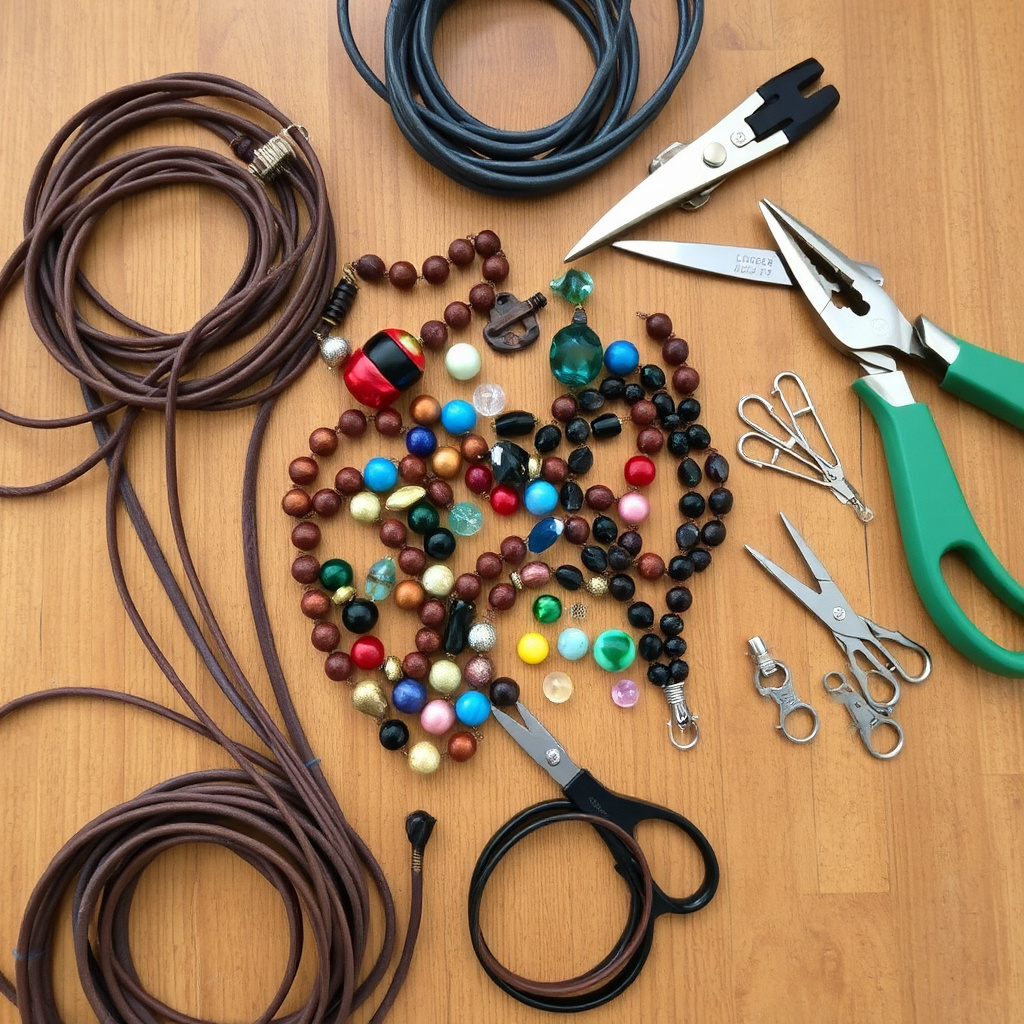
Making beaded bracelets with leather is a simple craft that combines rugged charm with colorful beads for a unique accessory. By threading beads onto leather cords and securing them with knots or clasps, you can create personalized bracelets that reflect your style in just a few steps.
Leather adds strength and an earthy look to bracelets, making the designs durable and versatile. Whether you’re making gifts, selling crafts, or accessorizing your own outfits, these bracelets hold up well and offer a refreshing alternative to fabric or string bracelets.
This guide will take you through the essential materials, preparation, and techniques needed to create elegant and custom beaded leather bracelets. We’ll also explore design ideas, fastening options, and tips for finishing your pieces professionally.
Materials Needed for Beaded Leather Bracelets
Selecting the Right Leather Cord
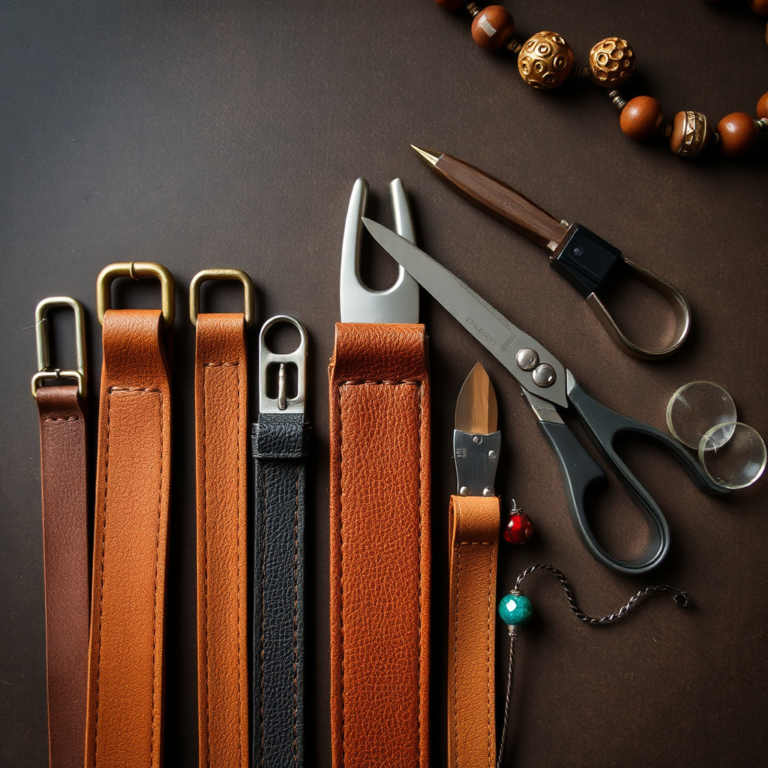
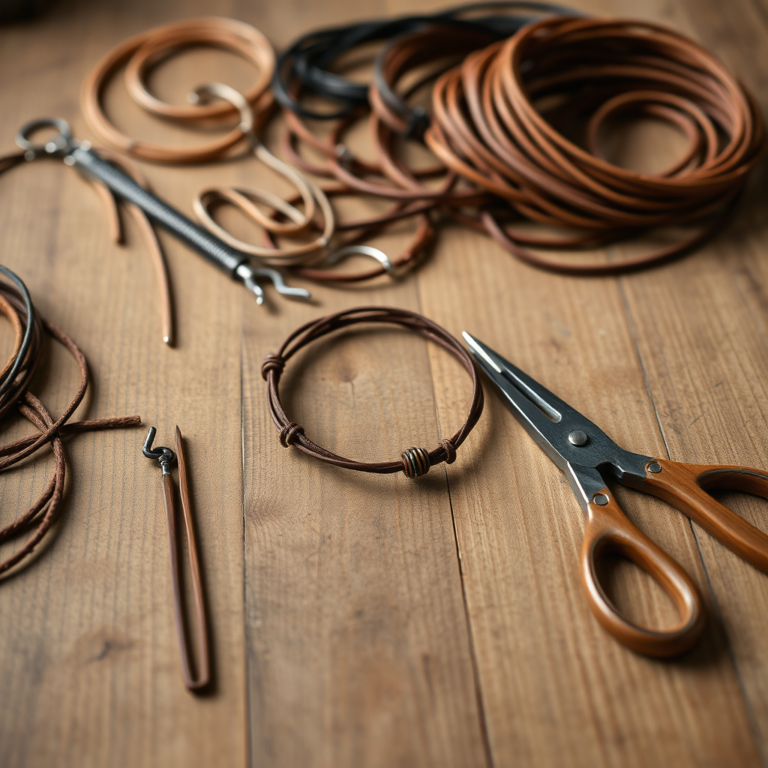
Choosing the correct leather cord is crucial for bracelet durability and comfort. Common options include round, flat, or braided leather cords, each offering different aesthetics and strength. The thickness typically ranges from 1mm to 3mm, with thinner cords suited for smaller beads and thicker ones better for chunkier designs.
High-quality leather cords should be supple yet sturdy, without cracks or excessive stiffness. Your choice depends on the style you aim for; flat cords give a modern look, while round cords provide a classic feel.
- Round leather cord: classic, flexible
- Flat leather strip: contemporary, smooth surface
- Braided leather cord: textured and durable
Choosing Suitable Beads and Tools
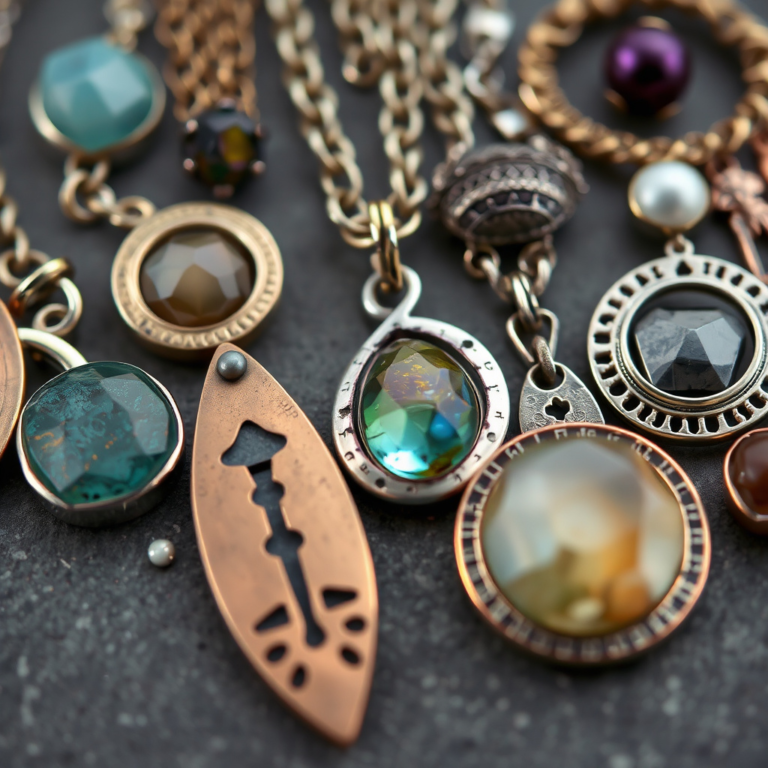
Beads vary widely in material, size, and hole diameter. For leather bracelets, pick beads with holes large enough to slide over your chosen cord comfortably. Popular materials include glass, wood, metal, and natural stone beads. Combining different textures can add visual interest.
Essential tools include scissors for cutting the cord, jewelry pliers for attaching clasps, and sometimes glue to secure knots. Having a bead stopper or tape helps prevent beads from sliding off while working.
- Bead materials: glass, metal, wood, stone
- Tools: scissors, pliers, glue, bead stopper or tape
Preparing Your Leather Cord and Beads
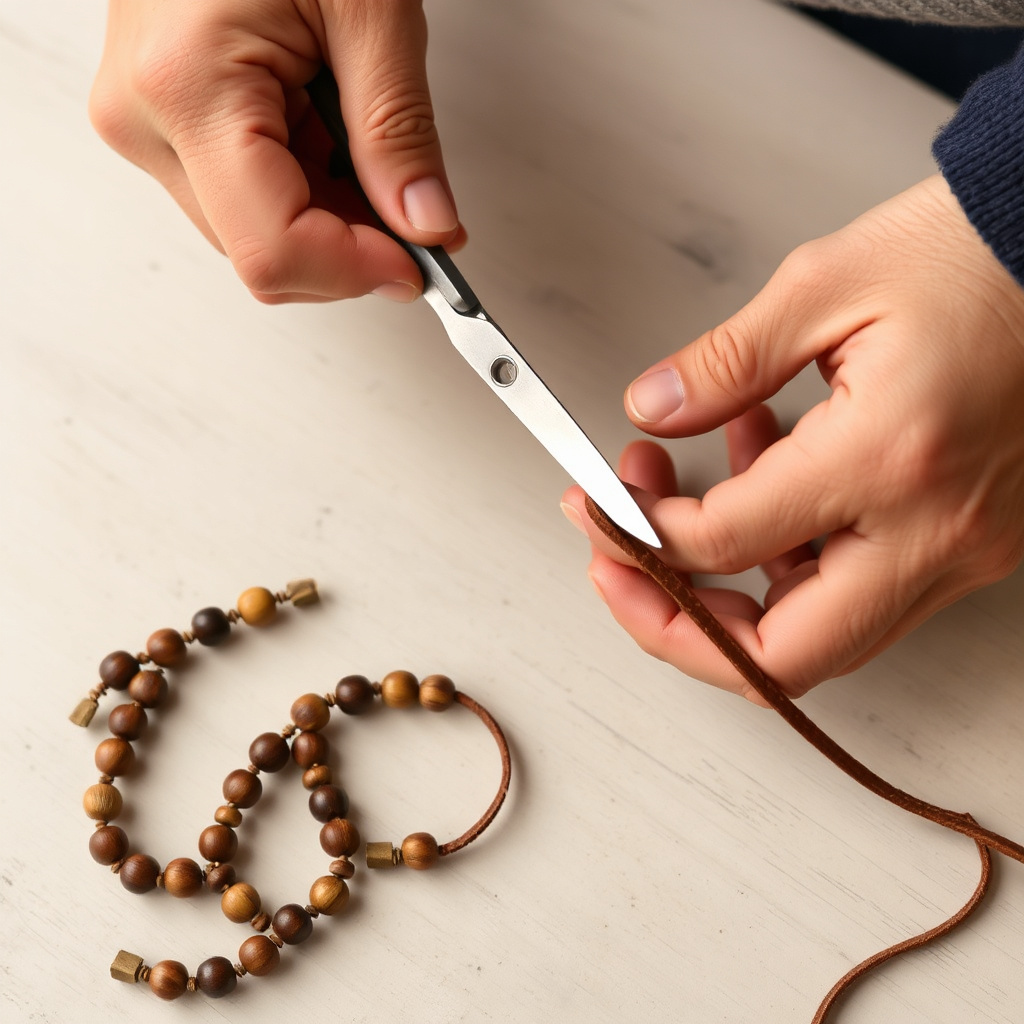
Measuring and Cutting the Leather Cord
Measure your wrist to determine the bracelet length, adding 2-3 centimeters to accommodate knots and clasps. Cut the leather cord cleanly with sharp scissors to avoid fraying, which can make threading beads difficult.
Cutting multiple strands at once can be helpful if you plan layered bracelets. Set aside your cut cords organized and ready to string beads.
- Measure wrist circumference carefully
- Add extra length for finishing knots
- Use sharp scissors for clean cuts
Sorting and Preparing Beads for Stringing
Arrange beads in the order you want on your bracelet before threading; this lets you visualize patterns and color combinations. Check bead hole sizes once more to ensure they fit your leather cord smoothly.
If beads have rough edges around holes, gently file or sand them for smoother threading, avoiding cuts or abrasion during stringing.
- Lay out beads in sequence
- Verify bead hole sizes
- Smooth bead holes if needed
Techniques for Stringing and Designing Beaded Leather Bracelets
Basic Beading and Knotting Method
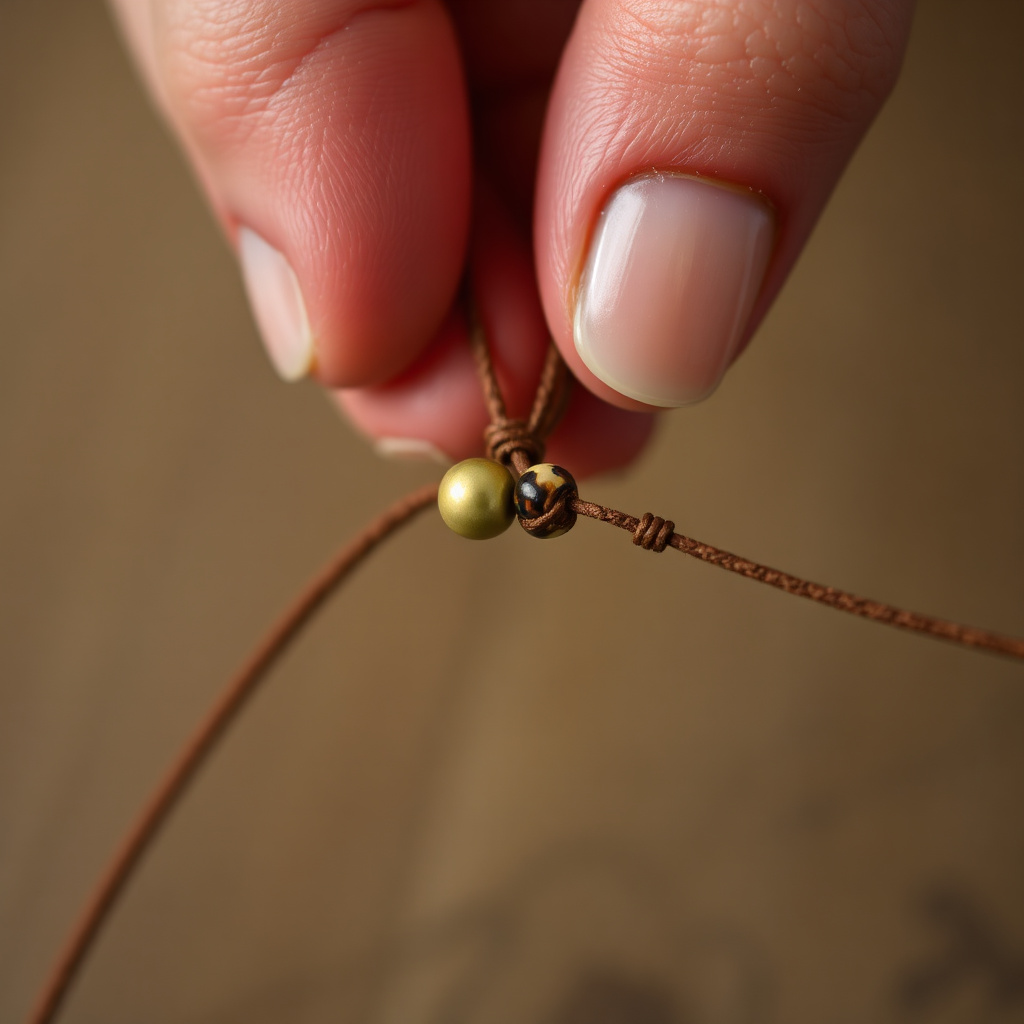
Start stringing beads onto the leather cord, sliding them into place according to your design. Once all beads are on, secure the ends with knots to prevent movement. Double or triple knots provide extra security to keep beads in place.
Spacing between beads can be adjusted by tightening or loosening the knots between them, allowing for creative open or clustered designs.
- Thread beads sequentially
- Use secure knots at ends
- Adjust spacing with knots
Incorporating Multiple Strands and Patterns
Using several strands of leather cord enhances bracelet complexity and style. You can braid the cords before adding beads or string beads on separate strands then tie them together. Patterns such as alternating colors or sizes add visual appeal.
Experiment with symmetry or asymmetry depending on your preference. Multiple strands also increase the bracelet’s durability and presence on the wrist.
- Braid strands before beading
- Create coordinated bead patterns
- Mix strand thicknesses for texture
Choosing Fastenings and Finishing Your Bracelet
Selecting the Best Clasps for Leather Bracelets
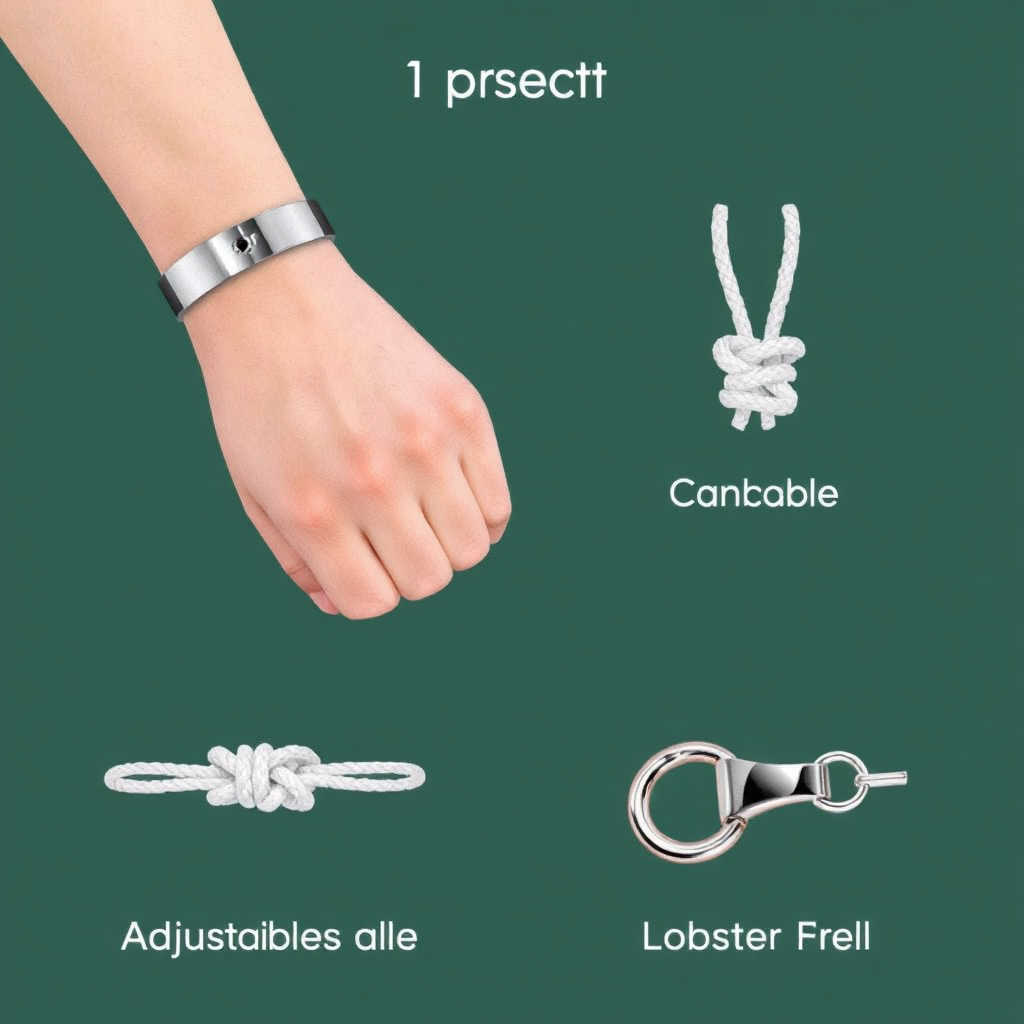
Fastenings should balance security and ease of use. Common options include lobster clasps, magnetic clasps, and toggle clasps. Magnetic clasps offer quick wearability, while lobster clasps ensure a secure hold during activity.
For adjustable bracelets, sliding knots allow easy resizing without hardware, beneficial if you want a versatile fit.
- Lobster clasp: secure, traditional
- Magnetic clasp: quick, convenient
- Toggle clasp: decorative and sturdy
- Sliding knots: adjustable without hardware
Securing Knots and Adding Protective Finishes
Apply a small dab of jewelry glue or clear nail polish to knots for durability and to prevent loosening. Allow the glue to dry completely before wearing.
Trimming loose ends close to knots and using a lighter to carefully seal leather tips (for synthetic cords) can give a polished look and extend bracelet life.
- Glue knots for strength
- Trim excess cord neatly
- Seal synthetic leather ends with heat
Creative Ideas and Personalization Tips
Adding Charms and Personalized Elements
Including metal or wooden charms adds personality and thematic interest to bracelets. Alphabet beads allow initials or words to be spelled out, ideal for gifts or personal expression.
Charms can be attached between beads or hung from knots. Mix and match different materials thoughtfully for cohesive designs.
- Use alphabet or symbol beads
- Attach charms between beads or on knots
- Mix bead textures with charms
Combining Colors and Textures for Visual Impact
Experiment with complementary or contrasting bead colors to make your bracelet stand out. Natural leather pairs well with earthy tones, but bright colors can provide eye-catching contrast.
Incorporate beads of varying shapes and finishes—matte versus shiny or smooth versus faceted—to enhance texture and appeal.
- Coordinate bead colors thoughtfully
- Mix bead shapes and finishes
- Use natural tones for subtle looks
Caring for Your Beaded Leather Bracelets
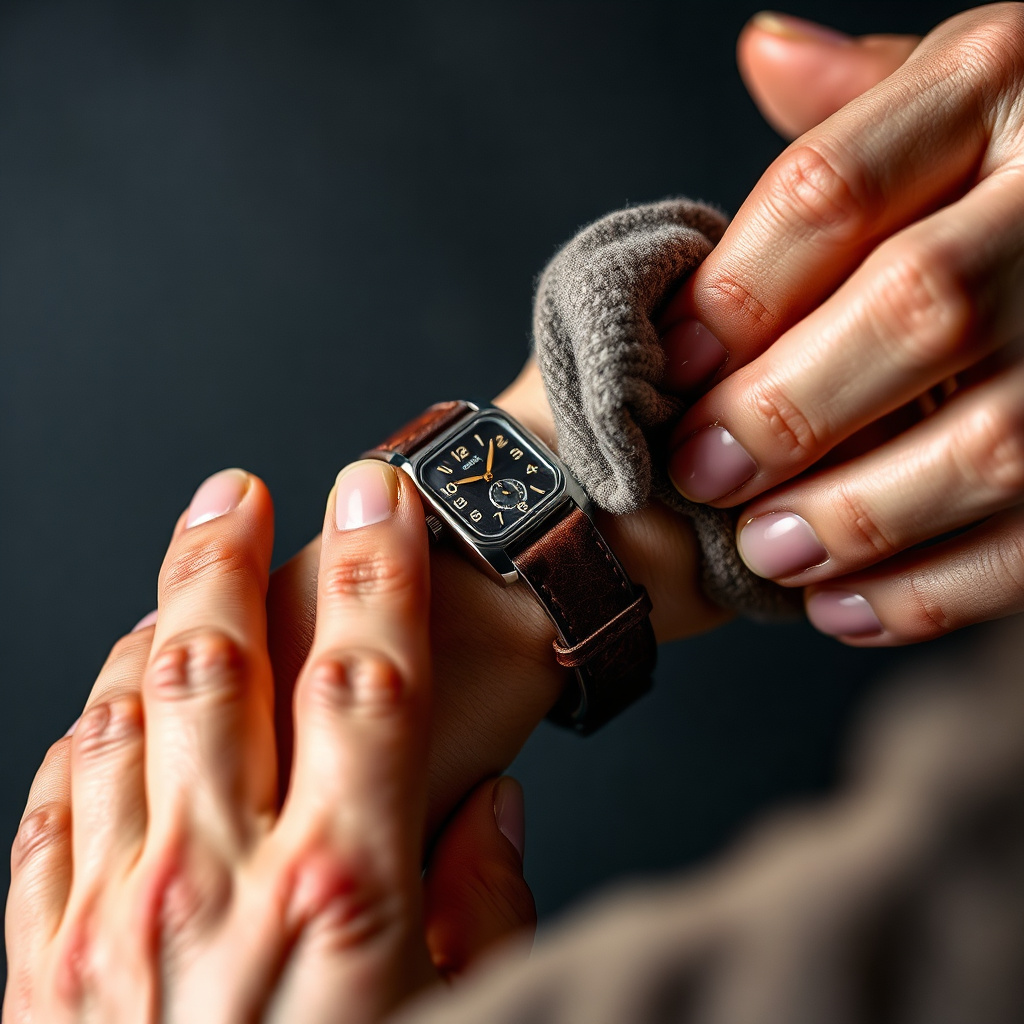
Cleaning and Maintaining Leather and Beads
Leather requires gentle cleaning with a soft cloth dampened slightly with water. Avoid soaking the leather, which can cause damage. For beads, mild soap and water can be used cautiously, but always dry the bracelet thoroughly afterward.
Avoid exposing your bracelet to harsh chemicals or prolonged sunlight to prevent fading and deterioration.
- Clean leather with damp cloth
- Use mild soap for beads if needed
- Dry completely after cleaning
For more in-depth information on working with leather, the Wikipedia page on Leather craft offers a detailed overview and techniques. Leather bracelet making techniques.
Storing and Handling Recommendations
Store bracelets in a cool, dry place away from direct sunlight to preserve leather suppleness. Using fabric pouches or jewelry boxes with separate compartments helps prevent scratches.
Regularly inspect knots and clasps for wear and tighten or repair as needed to prolong bracelet life.
- Store away from sunlight
- Use soft pouches or jewelry boxes
- Check fastenings periodically
Beaded Leather Bracelet Styles Comparison
Here’s a comparison of popular beaded leather bracelet styles to help you choose one that fits your aesthetic and skill level.
| Style | Leather Type | Bead Size | Complexity | Best For |
|---|---|---|---|---|
| Single Strand Classic | Round leather cord | 4-6mm small beads | Easy | Beginners, daily wear |
| Braided Multi-Strand | Braided leather cord | 6-10mm mixed beads | Intermediate | Casual and layered looks |
| Charm Embedded | Flat leather strip | Varied sizes with charms | Intermediate | Personalized gifts |
| Adjustable Sliding Knot | Round or flat cord | Small to medium beads | Easy | Adjustable sizing |
| Chunky Statement | Thick flat leather | Large beads (10mm+) | Advanced | Bold fashion accessories |
Frequently Asked Questions
Can I use synthetic leather cord for beaded bracelets?
Yes, synthetic leather cords mimic natural leather and are often more affordable. They are suitable for beaded bracelets but may behave differently when tying knots or sealing ends.
What size beads work best on leather cords?
Choose beads with hole sizes slightly larger than your leather cord diameter to allow easy threading while preventing beads from sliding too loosely.
How can I make my leather bracelet adjustable?
Incorporate sliding knots to create an adjustable closure or use extenders and adjustable clasps designed for leather cords.
Is it necessary to seal the cut ends of leather cords?
Sealing cut ends, especially on synthetic leather, prevents fraying and helps maintain a neater appearance, though natural leather usually needs only clean cutting.
How do I prevent beads from moving on the leather cord?
Tighten knots on either side of beads or use small bead spacers to hold beads firmly in place along the leather cord.
Key Takeaways
- Use high-quality leather cords that suit your bead size and style.
- Plan your bead layout before stringing for a balanced design.
- Secure knots and use appropriate clasps for durability.
- Personalize bracelets with charms and varied bead textures.
Conclusion
Making beaded bracelets with leather combines tactile craftsmanship with creative expression, resulting in sturdy and attractive jewelry pieces. Approaching the project methodically—choosing the right materials, measuring carefully, and applying consistent techniques—yields polished results you can proudly wear or gift. Understanding the interplay between leather thickness, bead selection, and fastening methods guides your decisions toward designs that are both functional and stylish.
For those new to this craft, starting with single strand classic bracelets using round leather cords and small beads offers an accessible entry point. Intermediate makers may enjoy multi-strand or charm-embedded styles to elevate their designs with texture and personal touches. Adjustable sliding knots provide ease of wear and flexibility across skill levels. By combining these options thoughtfully, you can tailor projects to match your skill and style preferences while ensuring each bracelet is durable and unique.
Once equipped with knowledge and materials, the next step is to gather your chosen leather cords and beads and begin experimenting with stringing and knotting methods. Practicing on simpler designs builds confidence before experimenting with more complex patterns or incorporating personalized charms. Over time, refining finishing techniques and care routines will enhance the longevity and beauty of your beaded leather bracelets, making them treasured accessories or meaningful handmade gifts.