How to Get Scratches Out of Sunglasses: Effective Fixes That Work
Learn practical methods on how to get scratches out of sunglasses quickly and safely, restoring clarity without damaging your lenses.
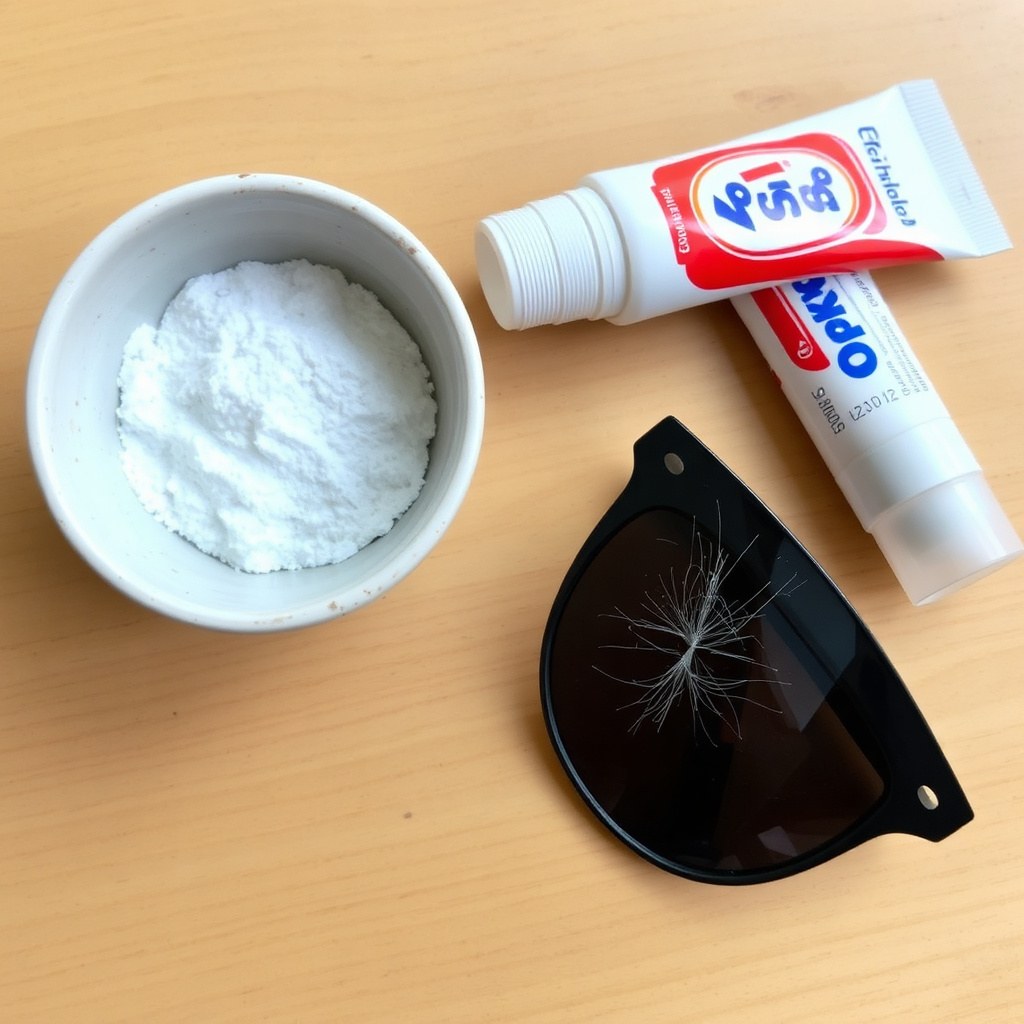
If your sunglasses have scratches, you can often reduce their visibility or remove them entirely using household items or specialized products. Simple techniques like using toothpaste, baking soda paste, or commercial scratch removers can gently polish out minor lens damage without harming lens coatings or frame materials.
Scratches on sunglasses not only look bad but also interfere with clear vision, especially in bright conditions where light distortion hinders comfort and safety. Taking care of scratched lenses can extend the life of your sunglasses and save you from an early replacement.
This article will cover several practical approaches to get scratches out of sunglasses, from gentle DIY remedies to product recommendations. We also explore preventive tips to keep your lenses scratch-free longer and compare different scratch removal options for varying scratch severity.
Common Household Methods to Get Scratches Out of Sunglasses
Using Toothpaste as a Scratch Remover
Toothpaste, particularly non-gel, non-abrasive types, can act as a gentle abrasive to polish out minor surface scratches on sunglass lenses. Apply a dab of toothpaste on a soft cotton cloth and gently rub the scratched area in circular motions for about 30 seconds before rinsing with cool water.
Avoid toothpaste varieties with whitening agents or gritty particles, as they can worsen lens damage. This method suits plastic lenses best and may not be effective on deeper scratches or coated surfaces.
- Use plain white toothpaste without additives
- Rub gently in small circles
- Rinse and dry with microfiber cloth
Baking Soda Paste Technique
Baking soda combined with water forms a paste that can also buff out light scratches. Mix two parts baking soda with one part water to form a thick paste, apply on the scratched lens, and rub gently with a soft cloth in circular motions for around 30 seconds.
Afterward, rinse thoroughly to remove residues and dry with a microfiber cloth. This is a low-cost option that provides mild abrasive action without harsh chemicals.
- Create a 2:1 baking soda to water paste
- Apply with soft cloth, avoid pressure
- Rinse well and dry carefully
Specialized Products for Removing Lens Scratches
Commercial Lens Scratch Removers
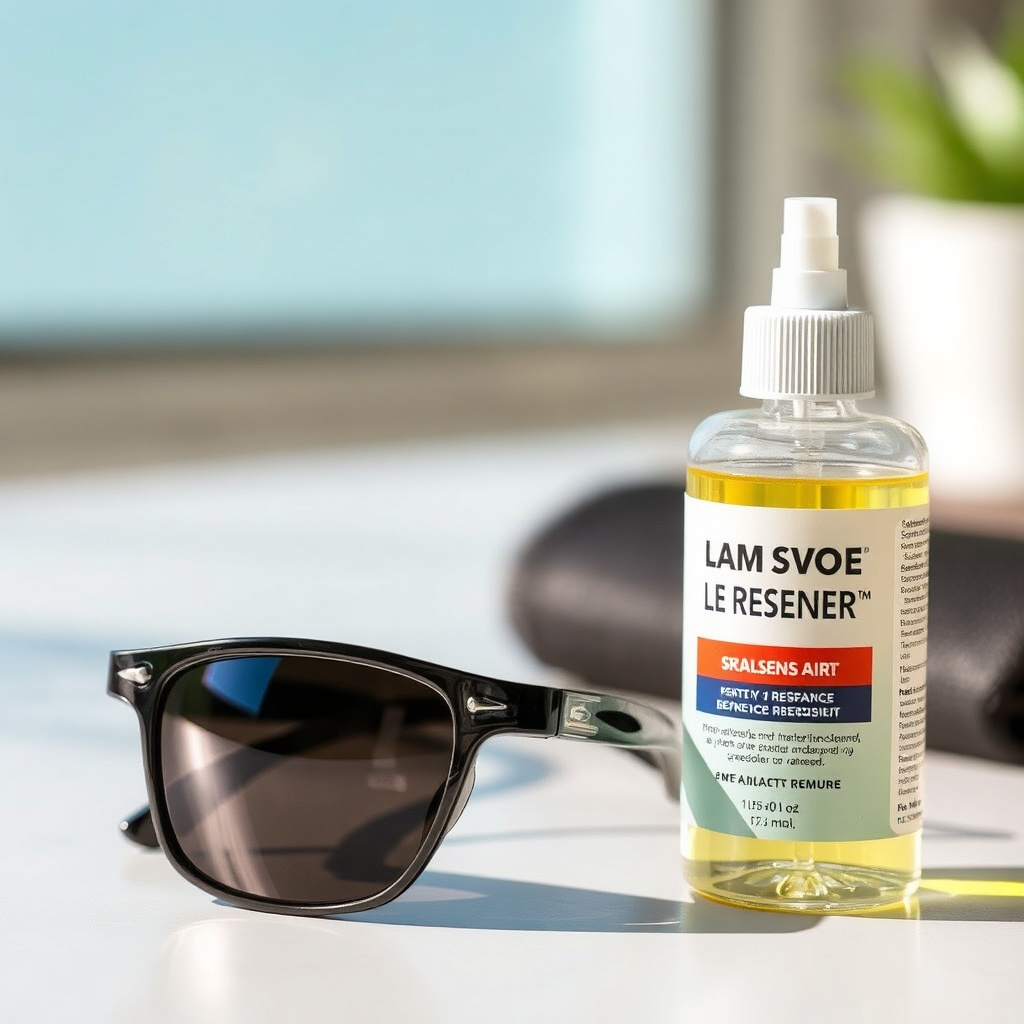
There are products specifically formulated to tackle lens scratches which contain mild abrasives and polishes designed not to damage lens coatings. Brands like Novus or Polywatch have kits with polishes and buffing cloths tailored for plastic and polycarbonate lenses.
Using these kits according to manufacturer instructions can significantly reduce scratches’ visibility or remove superficial marks safely.
- Check compatibility with your lens type
- Follow directions closely for best results
- Use included microfiber cloths
Furniture or Car Scratch Repair Kits
Some users have success with automotive scratch removal kits or furniture repair products on sunglass lenses, but caution is necessary. These products wield stronger abrasives or fillers that may harm delicate lens coatings or alter lens transparency if overused.
Test on a small inconspicuous area first to avoid permanent damage.
- Avoid kits with harsh chemicals
- Perform patch test before full application
- Use sparingly and gently
Preventing Future Scratches on Sunglasses
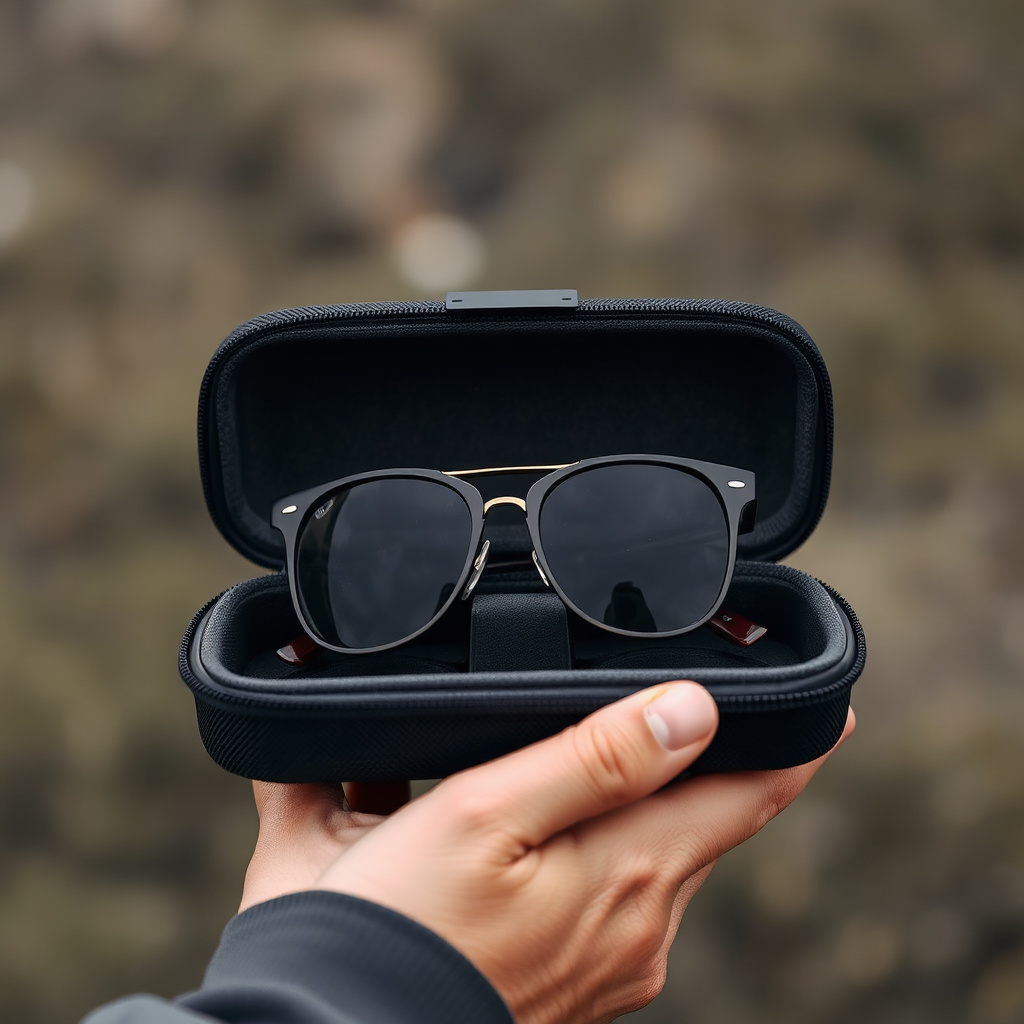
Using Protective Sunglasses Cases
Store sunglasses in hard-shell cases when not in use to shield them from drops, abrasion, and contact with keys or other hard objects. Cases with soft-lined interiors reduce pressure points that cause micro scratches.
Always put on or remove sunglasses carefully to preserve lens surface integrity.
- Choose sturdy cases with padded interiors
- Avoid placing lenses face-down
- Clean lenses before storage to remove dirt
Applying Protective Lens Coatings
Many modern sunglasses come with scratch-resistant coatings that reduce scratching likelihood. Applying additional aftermarket scratch protection films may add barrier layers over the lenses, although quality varies across products.
Regular maintenance and gentle cleaning techniques also prolong coating effectiveness.
- Consider anti-scratch sprays or films
- Avoid harsh cleaning chemicals
- Wipe with microfiber cloth only
DIY vs Professional Lens Scratch Repair
Benefits and Risks of DIY Scratch Removal
DIY methods like toothpaste or baking soda paste offer budget-friendly ways to diminish minor scratches but have limitations on deeper damage. Incorrect technique may worsen scratches or damage coatings.
They are best for small, superficial blemishes where replacement costs exceed repair efforts.
- Inexpensive and accessible
- Limited effect on deep scratches
- Potential risk of coating damage
When to Seek Professional Repair Services
For serious scratches affecting vision or expensive polarized lenses, professional repair or lens replacement by optical specialists is safer. Specialized polishing machines and tools restore lens clarity better than home methods.
Professionals can advise on feasibility, warranty considerations, and cost-effective solutions.
- Ideal for high-end or deep scratches
- Costlier but more reliable
- May extend the life of premium sunglasses
Cleaning Techniques to Enhance Lens Clarity Post-Repair
Using Microfiber Cloths Properly
Microfiber cloths attract dust and oils without scratching, making them essential for post-repair cleaning. Avoid paper towels or cotton fabrics that can introduce fine scratches or lint.
Regularly launder microfiber cloths with mild detergent to maintain cleaning effectiveness.
- Use clean, dry microfiber cloths
- Avoid vigorous rubbing
- Wash cloths separately without fabric softeners
Choosing Suitable Lens Cleaning Solutions
Mild lens cleaning sprays or mixtures of water and isopropyl alcohol clean lenses effectively without harming coatings. Avoid household cleaners with ammonia or bleach, which degrade plastic and coatings.
Apply solution to cloth, not directly on lenses, to prevent seepage into frame crevices.
- Use lens-specific sprays or diluted alcohol
- Never use glass cleaners with ammonia
- Apply cleaning solution to cloth first
Understanding Lens Materials and Scratch Vulnerability
Scratch Resistance of Plastic vs Glass Lenses
Glass lenses naturally resist scratches better than plastic but are heavier and more prone to shattering. Plastic lenses like polycarbonate are lighter and impact-resistant but scratch more easily without protective coatings.
Knowing your lens material helps choose appropriate scratch removal and prevention methods.
- Glass offers higher scratch resistance
- Plastic lenses need protective coatings
- Material affects repair options
For more detailed information on protective coatings that enhance scratch resistance of lenses, visit this lens scratch resistance information page. lens scratch resistance information.
Role of Anti-Scratch Coatings
Anti-scratch coatings significantly reduce lens surface abrasion on plastic lenses. These optical-grade layers are harder than the base material and wear off over time, which explains eventual scratches.
Reapplying coatings professionally or replacing lenses may be necessary after prolonged use.
- Coatings improve durability
- Wear off with time and use
- Reapplication can restore protection
Scratch Removal Methods Comparison
Here’s a side-by-side look at popular scratch removal methods for sunglasses, highlighting their ease of use, cost, and effectiveness.
| Method | Cost | Ease of Use | Effectiveness on Minor Scratches | Risk of Damage |
|---|---|---|---|---|
| Toothpaste | Free – Low | Easy | Moderate | Low to Moderate |
| Baking Soda Paste | Free – Low | Easy | Moderate | Low |
| Commercial Scratch Removers | Moderate | Moderate | High | Low |
| Car Scratch Kits | Moderate | Moderate | Low to Moderate | High |
| Professional Repair | High | Professional service | Very High | Minimal |
Frequently Asked Questions
Can I use toothpaste on all types of sunglass lenses?
Toothpaste works best on uncoated plastic lenses. Gel formulas or toothpastes with whitening agents can harm coated or glass lenses, so test carefully or avoid for delicate materials.
Will baking soda damage my sunglasses?
When applied gently as a paste, baking soda is mild enough for plastic lenses without coatings. Use cautiously on coated or glass lenses to prevent abrasive damage.
How deep can these scratch removal methods fix scratches?
These methods mostly reduce or eliminate surface-level scratches. Deep gouges or cracks usually require professional repair or lens replacement.
Are anti-scratch coatings permanent?
No, anti-scratch coatings wear off over time due to cleaning and use. Reapplication or lens replacement restores protection as needed.
Can professional services repair polarized lenses?
Yes, many professionals can repair or replace polarized lenses. However, damaged polarization often requires lens replacement rather than polishing.
Key Takeaways
- Gentle DIY methods like toothpaste and baking soda can reduce minor sunglasses scratches.
- Specialized commercial scratch removers provide safer, more effective results than household items.
- Protective cases and coatings greatly help prevent future lens damage.
- Professional repair is recommended for deep or costly lens scratches.
Conclusion
Finding the best way to get scratches out of sunglasses depends on the lens material, scratch severity, and your budget. Small, superficial scratches respond well to gentle polishing with toothpaste or baking soda paste, while commercial removers provide more consistent results for most plastic lenses. Knowing the lens type and coating status guides method choices and prevents accidental damage during treatment.
If you have valuable or polarized sunglasses, or if scratches are deep enough to affect vision, professional repair services offer the safest and most effective restoration options. For routine maintenance, storing your sunglasses in a protective case when not in use and cleaning them with suitable lens cleaners and microfiber cloths extend their lifespan and reduce scratch risks. Combining preventive care with carefully chosen scratch removal techniques keeps your lenses clear and durable longer.
Start by identifying the scratch depth and lens type, attempt a mild DIY method for light abrasions, and pause to evaluate before progressing to commercial or professional solutions. Lastly, invest in a quality sunglasses case and regular cleaning routine to prevent repeat scratches, preserving both the function and appearance of your sunglasses.