How to Knot Leather Bracelets: A Step-by-Step Guide
Learn how to knot leather bracelets easily with this step-by-step guide. Perfect for crafting personalized, stylish leather accessories at home.
Knotting leather bracelets is straightforward once you understand the basic techniques. The key to a secure and stylish knot lies in choosing the right knot type and tying it snugly without damaging the leather. This method works well for single or multiple leather strands.
Leather bracelets are popular for their rugged and timeless look, but their durability depends heavily on how the knots are tied. A poorly tied knot can slip or fray, ruining the bracelet’s style and wearability. Knowing proper knotting methods helps maintain both function and aesthetic over time. How to Knot Leather Bracelets.
This article explores common knots used to secure leather bracelets, practical tips for tying them, and variations suited for different bracelet styles. We’ll also discuss materials and tools to prepare, so you can create a polished, lasting piece.
Basic Leather Bracelet Knotting Techniques
Square Knot for Secure Closure
The square knot is a classic way to secure leather bracelet ends. It’s both reliable and simple, preventing slippage while maintaining a neat appearance. It involves crossing two strands over each other twice in opposite directions.
Start by crossing the left end over the right and pulling tight, then cross the right over the left and pull tight again. This creates a symmetrical knot that lies flat and holds well without cutting into the leather.
Sliding Knots for Adjustable Fit
Sliding knots allow for adjustable bracelet sizing and avoid the need for clasps. They involve wrapping one strand around the other and threading it back through loops to create a knot that can slide along the leather cord.
This technique is popular for single-strand leather bracelets and adds versatility for wearers who want to loosen or tighten the bracelet without fully undoing the knot.
Choosing the Right Leather and Tools
Types of Leather Suitable for Knotting
Vegetable-tanned leather cords are ideal for knotting due to their flexibility and durability. They hold knots well without stretching out or cracking. Suede leather can also be used but may wear faster with frequent knot adjustments.
Avoid overly stiff or coated leather strands, as they resist bending and can cause knots to loosen or damage the bracelet over time.
For more on this, see our related guide: How to Choose Buddhism Jewelry That Matches Your Spiritual Style.
Essential Tools for Crafting
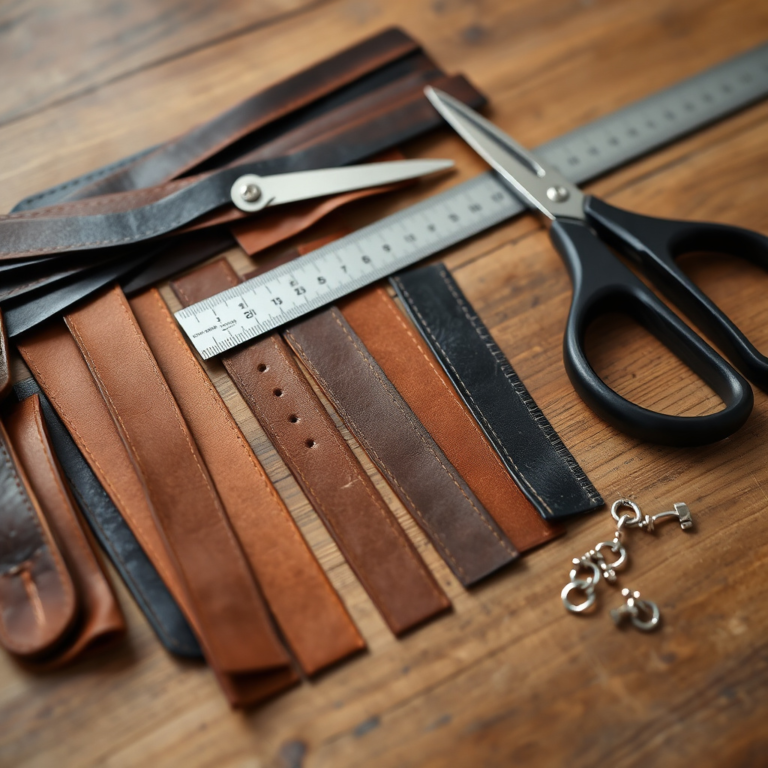
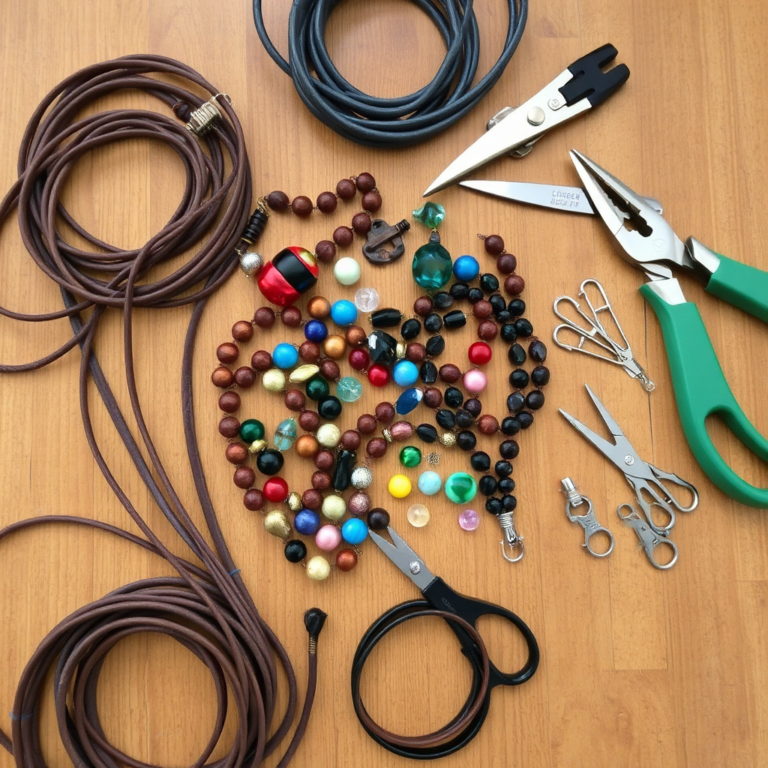
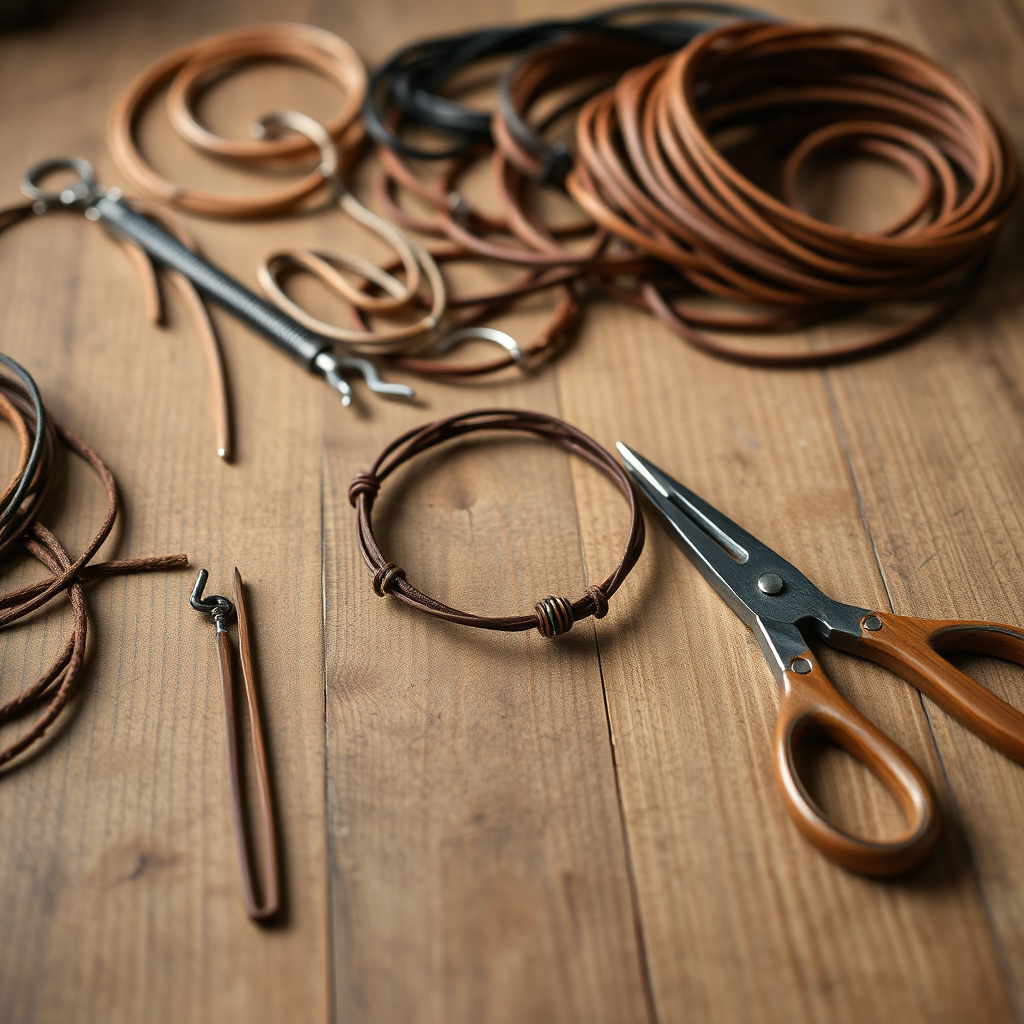
Having sharp scissors, a ruler for measuring lengths, and a knotting tool or needle can assist with tight knots and threading through small spaces. Beeswax or leather conditioner can help keep cords supple during tying.
These tools simplify the knotting process and reduce the risk of damaging leather strands while manipulating them into complex knots.
Advanced Knot Styles for Leather Bracelets
Fisherman’s Knot for Strong Joins
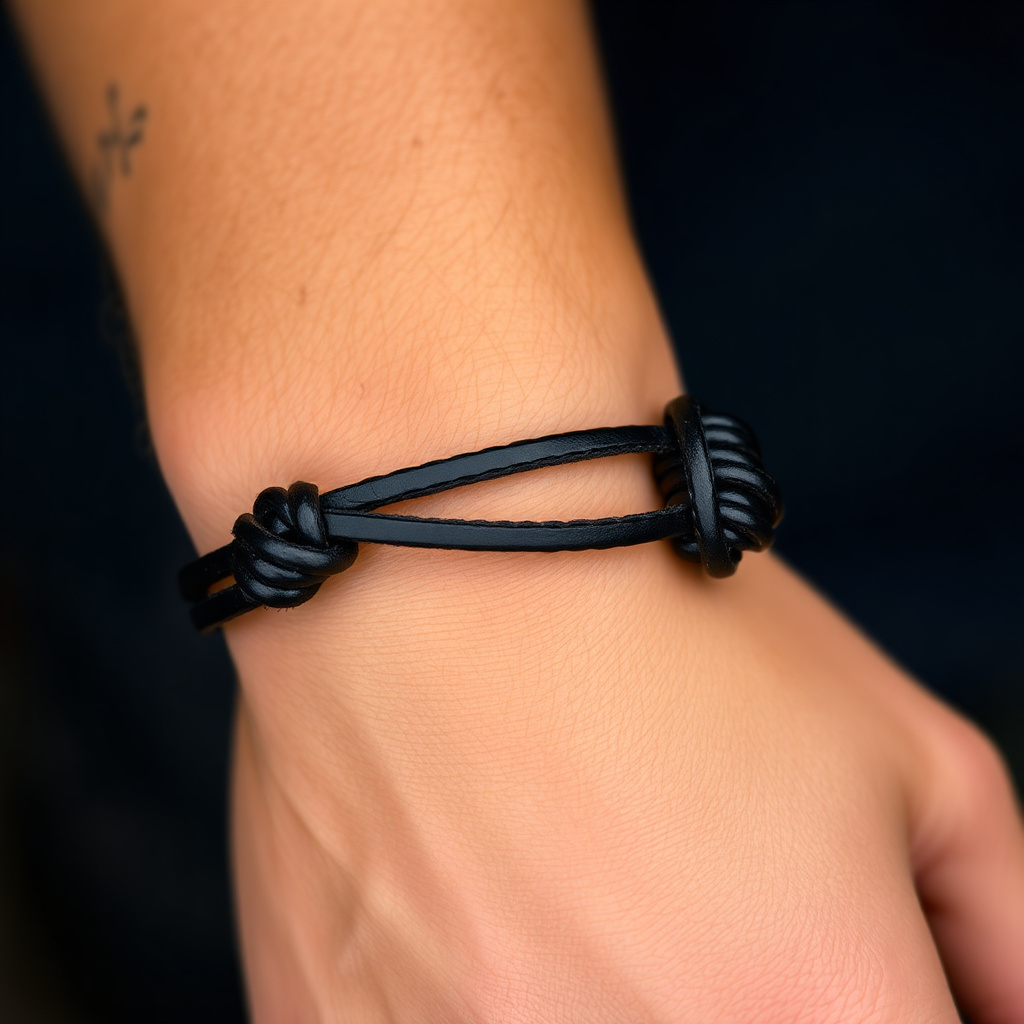
The fisherman’s knot is excellent for securely joining two ends of leather. It involves making two overhand knots around each strand and tightening them against each other, resulting in a compact, durable join.
This knot works well for bracelets that require a permanent closure and adds a subtle decorative element thanks to its rounded shape.
Lark’s Head Knot for Attaching Charms
The lark’s head knot is a simple but effective way to attach decorative elements to leather bracelets. It creates a loop that can slide around a charm’s hole without damaging the leather.
This knot is frequently used in layered bracelet designs and allows for easy customization by adding or removing charms.
Maintaining Knots and Bracelet Longevity
Checking and Retightening Knots
Leather knots may loosen with wear, especially sliding knots. Regularly inspecting your bracelet for loosening and gently retightening knots helps maintain a snug fit and prevents accidental loss.
Tightening should be done carefully to avoid overstretching or snapping the leather cord.
Cleaning and Conditioning Leather
Keeping leather supple with conditioning products prevents brittleness, which can cause knots to fail prematurely. Use products designed for leather bracelets sparingly to avoid residue build-up.
Avoid soaking leather in water, and store bracelets in dry, shaded areas when not worn.
Creative Variations with Leather Bracelet Knot Techniques
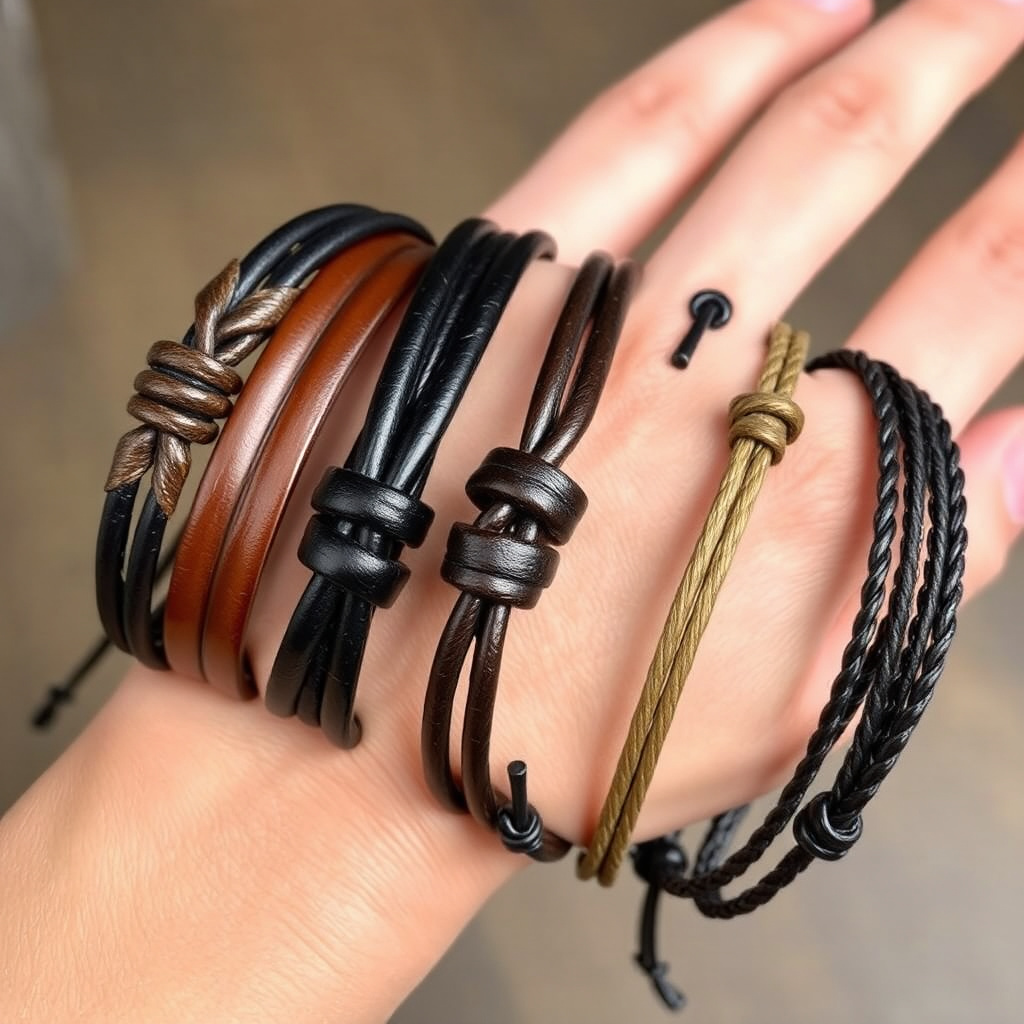
Multi-Strand Knotting for Bold Styles
Knotting multiple leather strands together allows the creation of wide, layered bracelets with intricate patterns. Combining different knots like the square knot and sliding knots on separate strands adds texture and dynamic appearance.
This technique is ideal for those looking to make statement jewelry pieces that stand out.
For more detailed explanations of different knot types and their uses, you can explore knotting techniques on Wikipedia. knotting techniques on Wikipedia.
Incorporating Beads and Metal Accents
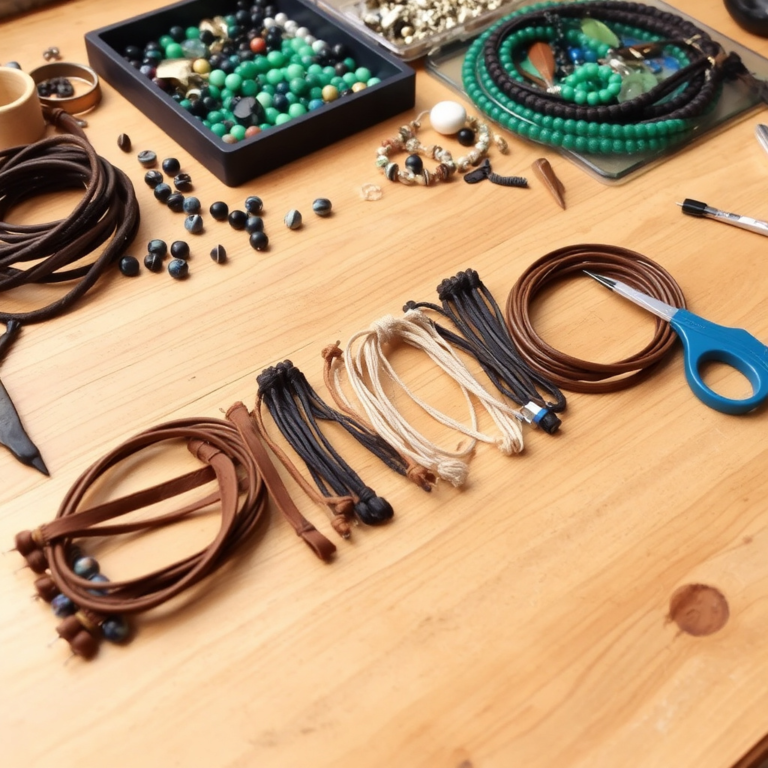
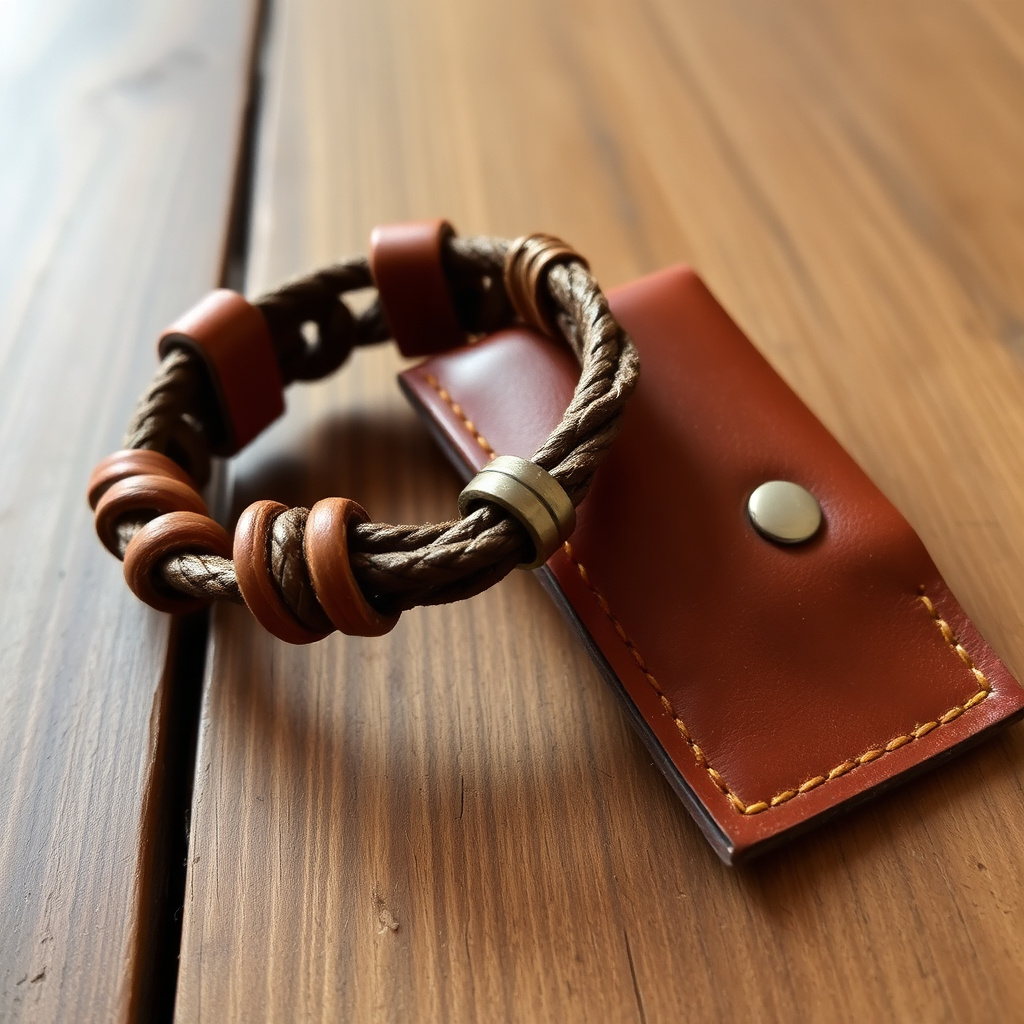
Adding beads to knotted leather bracelets enhances their visual appeal. Beads can be threaded before tying knots or used to cap the ends of knots for a decorative finish.
Metal accents like clasps or rings combined with knotting techniques further personalize the bracelet and improve functionality.
Leather Bracelet Knot Techniques Comparison
This table compares popular knot techniques used in leather bracelets, highlighting ease of tying, security, and aesthetic features.
| Knot Type | Ease of Tying | Security Level | Adjustability | Visual Appeal |
|---|---|---|---|---|
| Square Knot | Easy | High | No | Classic and clean |
| Sliding Knot | Moderate | Medium | Yes | Casual and functional |
| Fisherman’s Knot | Hard | Very High | No | Bulky but decorative |
| Lark’s Head Knot | Easy | Medium | No | Simple and functional |
Frequently Asked Questions
Can leather knots damage the bracelet?
When tied correctly, leather knots do not damage the material. However, overly tight knots or frequent retightening can stress the leather, causing premature wear or breakage.
What knot is best for adjustable leather bracelets?
Sliding knots are best for adjustable bracelets because they allow the wearer to easily loosen or tighten the bracelet without untying it completely.
How often should I condition a leather bracelet?
Condition your leather bracelet every few months or whenever it starts to feel dry. This helps keep it flexible and prevents cracking, especially around knots.
Is there a difference between knotting leather and rope?
Leather is less flexible and more prone to stretching than rope, so knotting techniques must account for leather’s texture by avoiding overly tight or intricate knots that can damage the material.
Can I reuse knots when resizing a leather bracelet?
Adjustable knots like sliding knots can be reused and retied for resizing, but permanent knots like the fisherman’s knot are harder to undo without damaging the leather.
Key Takeaways
- Square knots provide a reliable and neat closure for leather bracelets.
- Sliding knots offer an adjustable fit without clasps.
- Choosing supple, vegetable-tanned leather improves knot durability.
- Conditioning leather regularly extends bracelet lifespan.
Conclusion
Mastering how to knot leather bracelets combines understanding material properties with knotting skills to create both durable and visually appealing accessories. By focusing on knot security and the leather’s texture, you can craft bracelets that hold up to daily wear. Avoid tying knots too tight or using stiff leather to prevent damage and prolong the bracelet’s life.
For casual everyday wear, sliding knots provide flexibility and ease, while square knots suit those looking for a sturdy closure with minimal fuss. More advanced knots such as the fisherman’s knot bring extra strength for handmade designs intending a permanent fit, whereas lark’s head knots work well to customize with charms. Selecting the correct knot technique based on the bracelet style and user needs makes a significant difference in comfort and style.
To start, gather quality leather cords and experiment with simple square and sliding knots before trying complex joins or decorative variants. Maintain your bracelets by gently cleaning and conditioning the leather, and periodically checking knots for looseness. Following these steps will help you confidently knot leather bracelets that combine style with longevity, perfect as gifts or personal accessories.