How to Clean Sunglasses: Effective Methods to Keep Your Lenses Clear
Learn how to clean sunglasses properly with safe techniques to prevent damage and maintain clear lenses for better vision and style.
Cleaning sunglasses involves gently removing dirt, oils, and smudges without harming the lenses or frame. The best approach uses microfiber cloths combined with mild cleaning solutions designed for eyewear, avoiding harsh chemicals that can degrade lens coatings.
Sunglasses get dirty quickly from daily use, exposing them to sweat, dust, and environmental pollutants. Proper cleaning prevents scratches and preserves vision clarity. Understanding safe cleaning practices helps extend the life of your sunglasses and protects your eyes.
This article covers how to clean sunglasses safely, details on types of lenses and frames, recommended cleaning supplies, step-by-step instructions, and tips to keep your eyewear in excellent condition.
Understanding Sunglasses Materials and Their Cleaning Needs
Types of Lens Coatings and How They Influence Cleaning
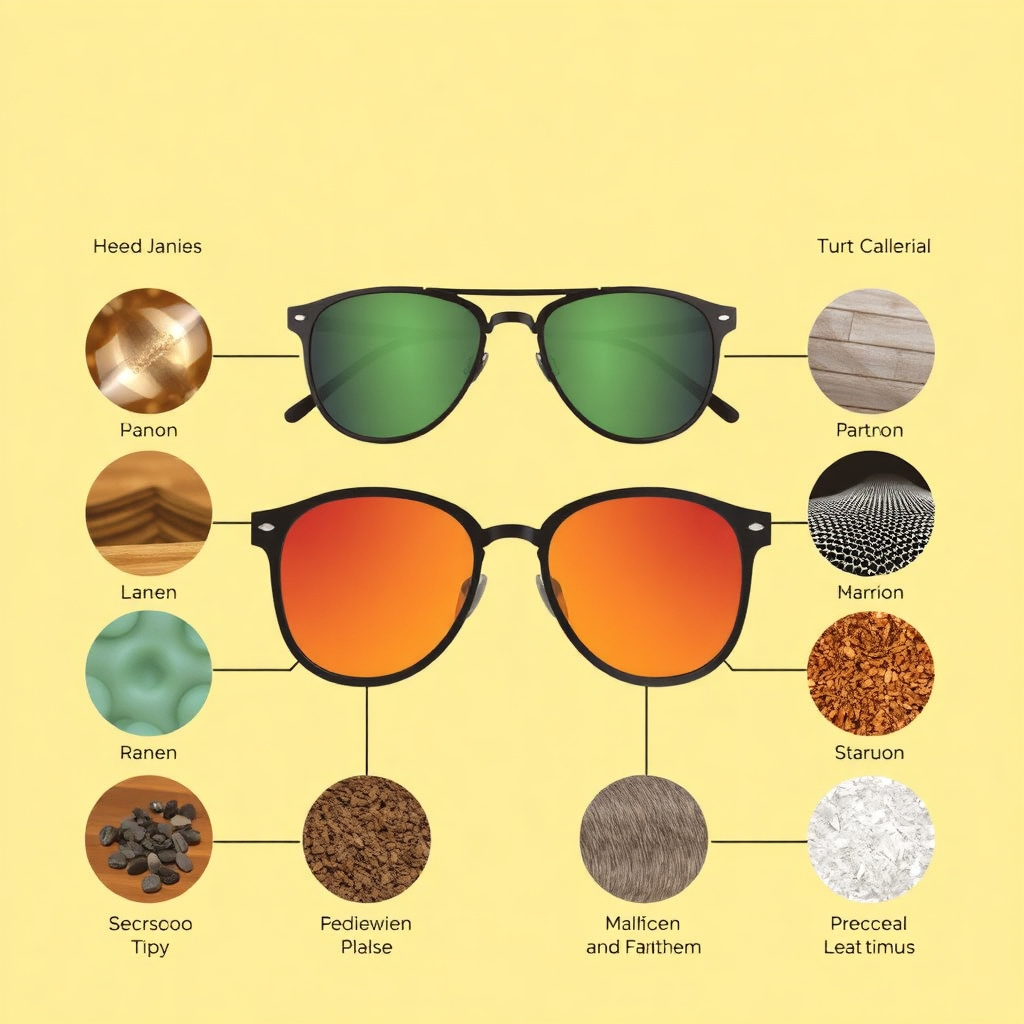
Sunglasses lenses often come with coatings such as anti-reflective, polarized, or scratch-resistant layers. These coatings provide clear vision and protection but can be delicate. Using the wrong cleaning method, like rough cloths or harsh chemicals, can damage these coatings irreversibly.
Microfiber cloths and gentle cleaning solutions specifically designed for coated lenses are safer options. Avoid paper towels, tissues, or household cleaners containing ammonia, bleach, or acetone which can strip coatings.
- Anti-reflective coating
- Polarized coating
- Scratch-resistant coating
- UV protection layer
Frame Materials and Their Specific Cleaning Requirements
Frames come in materials like plastic, metal, acetate, or wood, each with unique cleaning needs. Plastic frames tolerate mild soapy water well, while metal frames should be dried promptly to avoid corrosion. Wood frames require minimal water exposure and occasional oiling to maintain finish.
Knowing your frame type helps in choosing suitable cleaning solutions and methods. Always check manufacturer care instructions to prevent damage, especially for specialty materials.
- Plastic: mild soap and water
- Metal: dry carefully after cleaning
- Acetate: gentle cleaning with soft cloth
- Wood: minimal water, use conditioning oils
Best Cleaning Methods for Sunglasses
Using Microfiber Cloths and Eyewear Cleaning Solutions
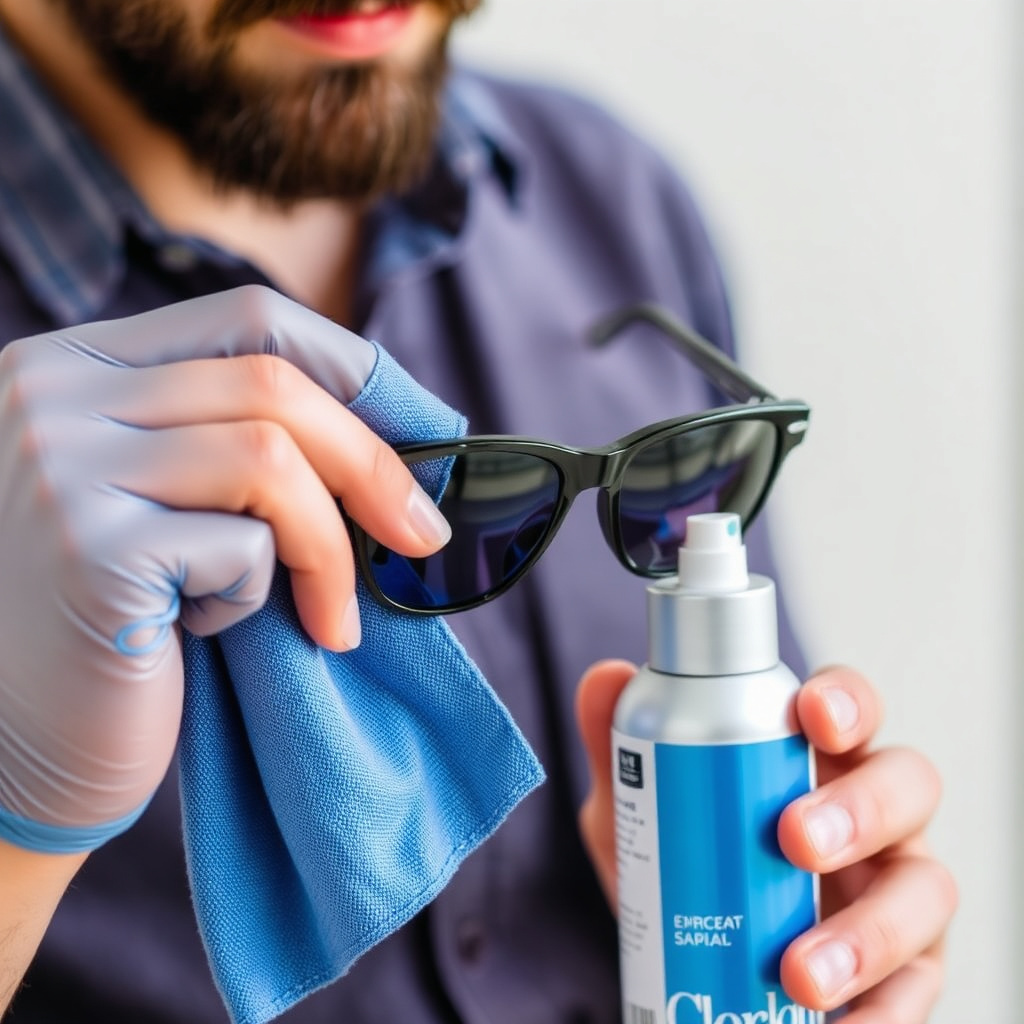
Microfiber cloths are ideal for cleaning sunglasses since they trap dirt and oils without scratching lenses. Combine them with a spray designed for eyewear that removes grime safely. Spray the solution on lenses, then gently wipe with the cloth in circular motions.
Avoid using fabric softeners or harsh detergents on microfiber cloths, as residues can transfer to lenses. Clean microfiber cloths regularly to maintain effectiveness.
- Use clean microfiber cloth
- Apply eyewear-safe cleaner
- Wipe in gentle circular motions
Simple At-Home Cleaning with Soap and Water
Mild dish soap and lukewarm water can be an effective and accessible way to clean sunglasses. Rinse lenses under water first to remove loose particles, then apply a drop of soap and gently rub lenses and frames. Rinse thoroughly to remove all soap residue.
Dry with a clean microfiber cloth. Avoid hot water and abrasive materials that can warp frames or damage coatings. This method works well for lightly soiled sunglasses and is free from harsh chemicals.
- Rinse with lukewarm water
- Use mild dish soap
- Dry with microfiber cloth
Cleaning Techniques to Avoid
Why Avoid Paper Towels and Tissues
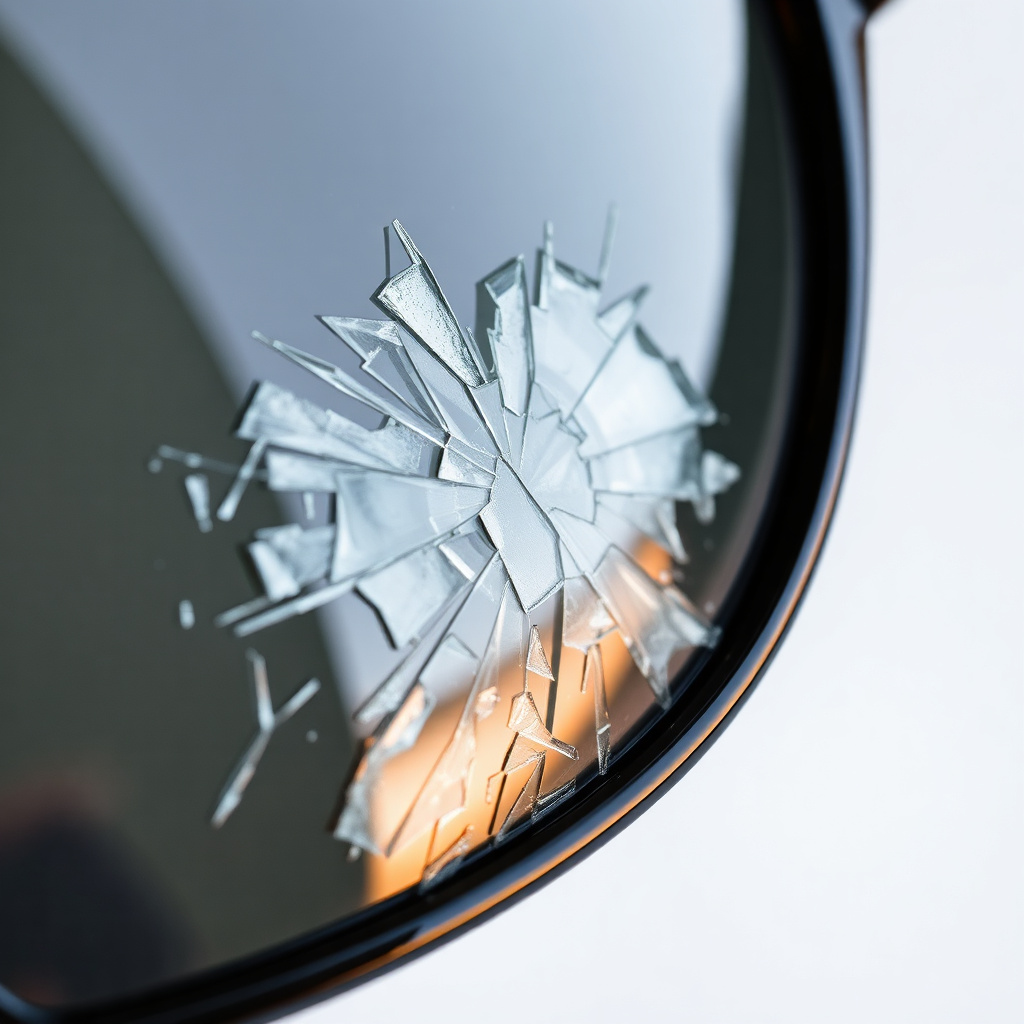
Paper towels and tissues might seem convenient but often have rough fibers that can scratch delicate lens coatings. Repeated use can create micro-abrasions that reduce lens clarity and damage anti-reflective or polarized layers.
It’s best to rely solely on microfiber cloths or other soft, lint-free fabrics specifically designed for eyewear to protect lens surfaces during cleaning.
Steering Clear of Household Cleaning Chemicals
Household cleaners like window sprays, bleach, or ammonia can break down lens coatings and discolor frames. These chemicals also pose risks by leaving residues that can irritate your eyes when worn.
Use only products specifically formulated for eyewear or gentle soap and water. Checking the product labels before use helps avoid unintended damage.
Maintaining Sunglasses for Longevity and Performance
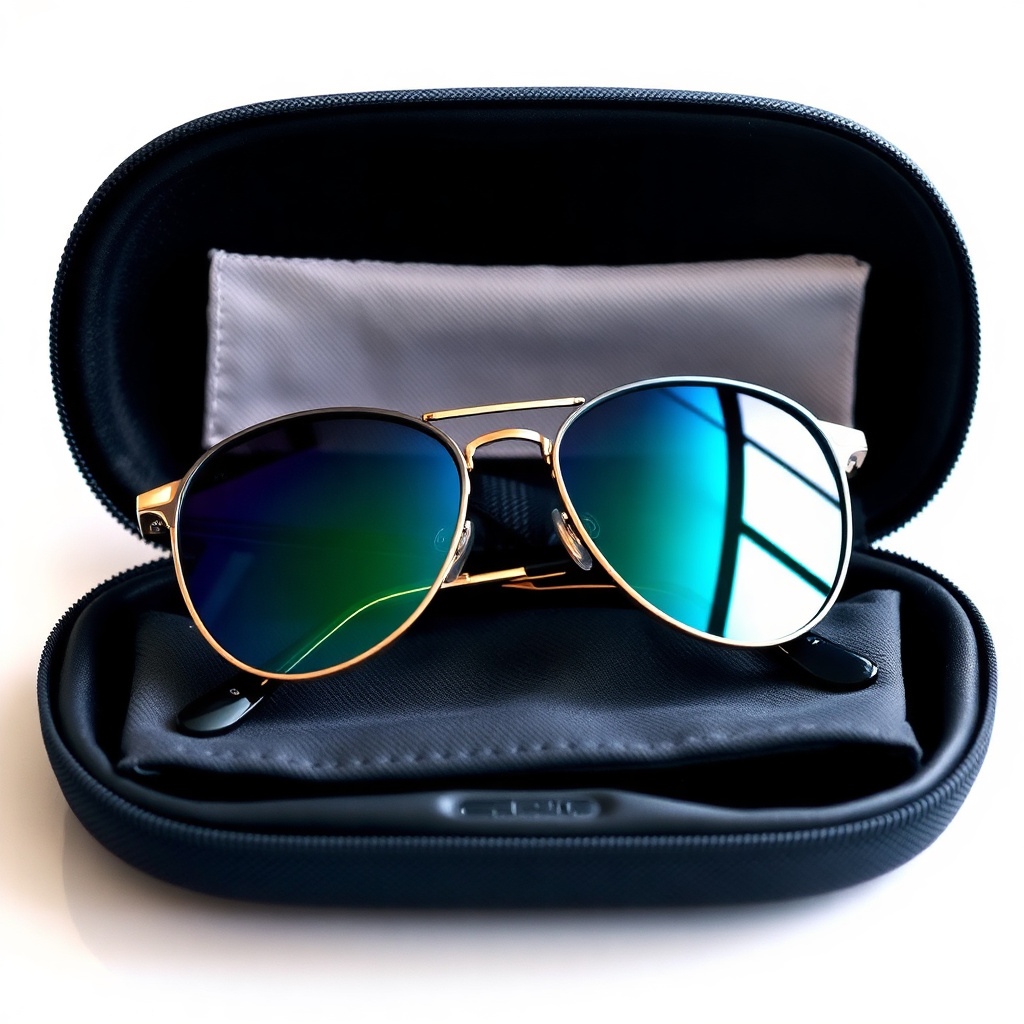
Proper Storage and Handling Habits
Storing sunglasses in a hard protective case prevents scratches, bending, and exposure to dust. Avoid leaving them lens-down on surfaces or in hot environments like car dashboards, which can warp frames and degrade coatings.
Handling sunglasses by the frame rather than the lenses minimizes oil transfer and smudging, reducing the need for frequent cleaning.
- Use protective case when not in use
- Avoid extreme heat and direct sunlight
- Hold by frame to prevent smudges
Regular Cleaning Frequency to Maintain Clarity
Cleaning sunglasses regularly preserves optimal vision and prevents buildup of debris that can cause scratches. For daily users, cleaning once a day or whenever visibly dirty is appropriate.
If worn in harsh conditions like sandy beaches or during sports, immediate cleaning after exposure helps maintain lens quality and durability.
Special Considerations for Prescription and Smart Sunglasses
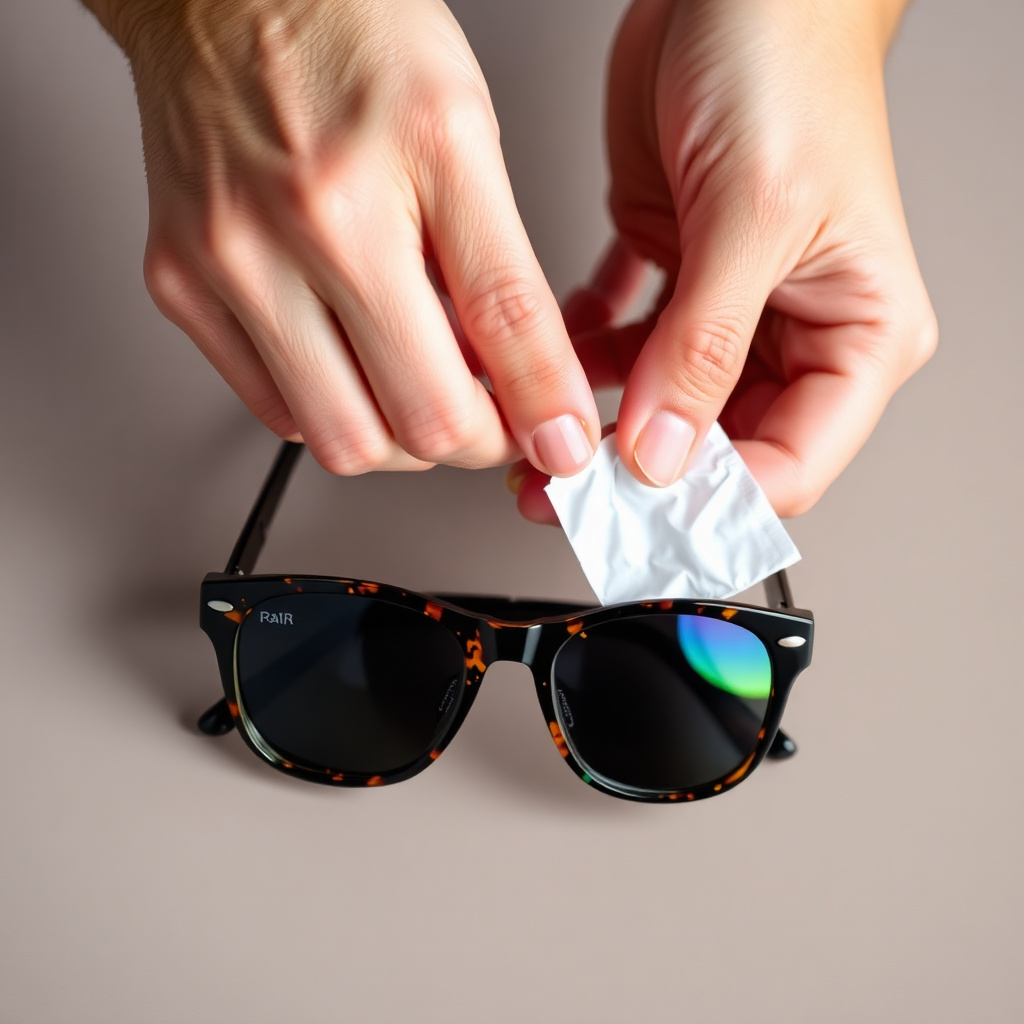
Cleansing Prescription Sunglasses Safely
Prescription sunglasses often have specialized coatings and treatments tailored for vision correction. Gentle cleaning methods and manufacturer recommendations are essential to avoid damaging lenses.
Microfiber cloths and ophthalmologist-approved cleaners are recommended. Avoid DIY sprays or solutions that aren’t verified safe for prescription lenses.
For further details on sunglasses maintenance and care, visit these sunglasses cleaning guidelines. Sunglasses cleaning guidelines.
Cleaning Smart Sunglasses with Electronics
Smart sunglasses with built-in electronics require extra caution. Avoid excessive moisture near electronic components and use slightly damp microfiber cloths for cleaning.
Check the user manual for water resistance levels and approved cleaning agents. Power off devices before cleaning to prevent damage.
Sunglasses Cleaning Method Comparison
Here’s a comparison of popular sunglasses cleaning methods highlighting their advantages and drawbacks.
| Method | Effectiveness | Safety for Lens Coatings | Convenience | Cost |
|---|---|---|---|---|
| Microfiber Cloth with Eyewear Cleaner | High | Very Safe | Easy | Moderate |
| Soap and Water | Moderate | Safe if mild soap used | Easy | Low |
| Pre-moistened Lens Wipes | High | Usually Safe | Very Convenient | Moderate |
| Paper Towels or Tissues | Low | Risk of Scratches | Very Convenient | Very Low |
| Household Cleaners | High | Unsafe – Damages Lenses | Easy | Low |
Frequently Asked Questions
Can I use regular glass cleaner on my sunglasses?
Regular glass cleaners often contain harsh chemicals like ammonia that can damage lens coatings. It’s best to avoid them and use cleaners specifically formulated for eyewear.
How often should I clean my sunglasses?
Cleaning once daily or whenever you notice smudges or dirt is recommended. More frequent cleaning may be needed if worn in dusty or sweaty environments.
Is paper towel safe for wiping lenses in an emergency?
Paper towels can scratch lenses because of their rough texture. In emergencies, it’s better to rinse with water and wait until a proper microfiber cloth is available.
What should I do if my sunglasses have stubborn spots?
Soak them briefly in lukewarm water with mild soap, then gently rub with a microfiber cloth. Avoid abrasive scrubbing to protect coatings.
Can I use my regular clothes to clean sunglasses?
Clothing fibers often contain dirt or rough textures that can scratch lenses. Using dedicated microfiber cloths is safer for maintaining lens clarity.
Key Takeaways
- Use microfiber cloths with eyewear-safe cleaning solutions for the best results.
- Avoid paper towels and household cleaners to protect delicate lens coatings.
- Clean sunglasses regularly to maintain clear vision and prevent damage.
- Store sunglasses in protective cases to extend their lifespan.
Conclusion
Selecting an appropriate cleaning method for your sunglasses depends on understanding the materials and coatings involved. Gentle care with microfiber cloths and proper cleaners preserves lens quality and frame integrity, ultimately protecting your vision. Avoiding abrasive or chemical agents safeguards these sensitive surfaces from irreversible damage.
For everyday users, mild soap and water combined with a soft cloth provide an accessible approach, while microfiber cloths with dedicated eyewear sprays offer enhanced cleaning without risk. Specialty sunglasses, like prescription or smart models, demand additional attention following manufacturer guidelines to protect their advanced features. Consistent maintenance prevents buildup of oils and debris that cause scratching and fogging.
The best next step is to invest in a quality microfiber cloth and an eyewear-approved cleaning solution. Implement a routine cleaning habit and proper storage to enjoy clear, comfortable vision with your sunglasses for many years.