
Exploring Japanese Mythology Jewelry: Symbols, Styles, and Significance
Discover Japanese mythology jewelry, its rich symbolism, unique styles, and cultural significance in this detailed buyer’s guide and review.
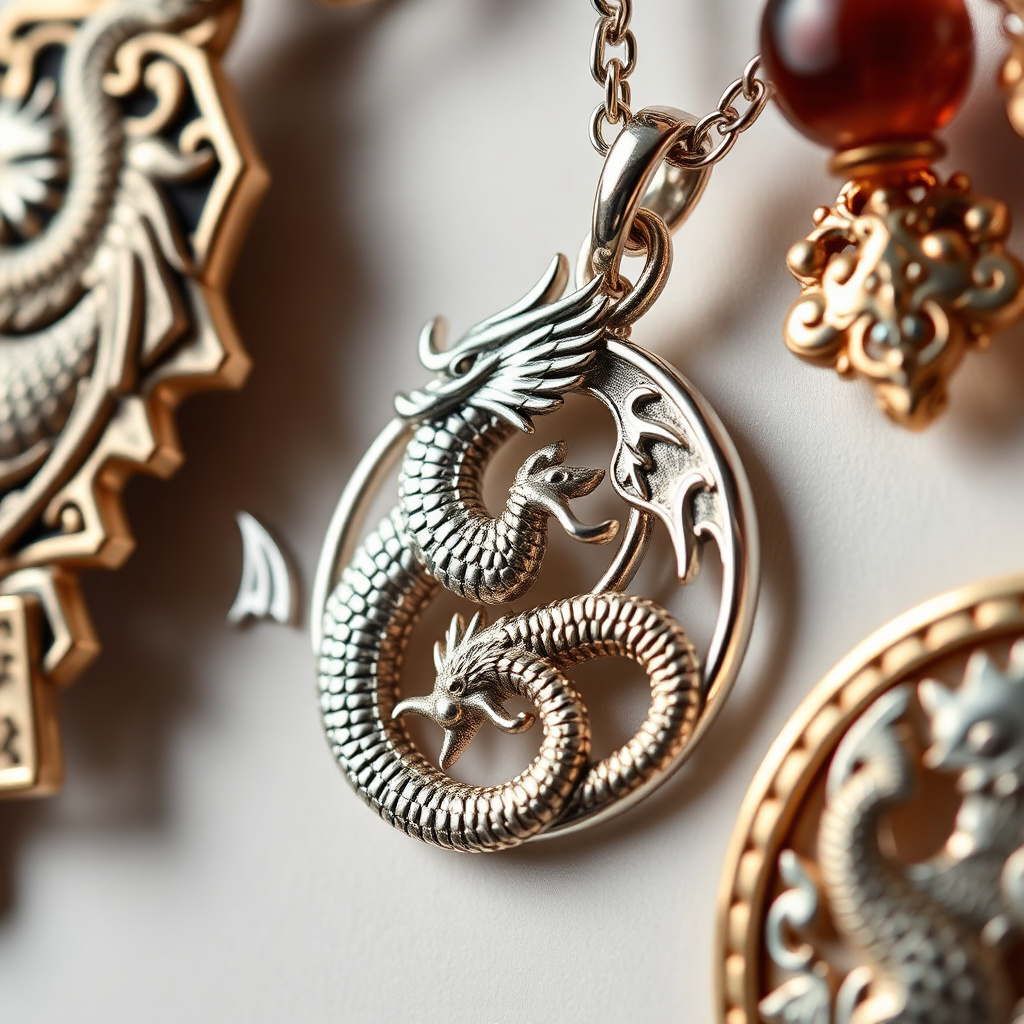
Japanese mythology jewelry draws its inspiration from ancient stories filled with gods, spirits, and legendary creatures, making each piece a blend of art and cultural heritage. These accessories often feature motifs like dragons, foxes, and sacred symbols that connect wearers to folklore and timeless narratives. Whether crafted from precious metals or natural materials, Japanese mythology jewelry offers meaningful adornment beyond aesthetics.
Understanding the allure of these pieces requires diving into the rich tapestry of Shinto and Buddhist myths that have shaped Japan's artistic traditions for centuries. This jewelry does more than decorate; it carries stories and beliefs, making it especially appealing to collectors, fashion enthusiasts, and those fascinated by Eastern culture. Its subtle symbolism and spiritual undertones provide a profound connection to Japan’s heritage.
This article will explore the main types of Japanese mythology jewelry, their iconic symbols, materials used, craftsmanship techniques, and how to choose authentic pieces. Additionally, you'll find insights into style pairings and care tips to preserve these intricate works of art. We'll also compare popular categories to help you find the perfect item for your collection or daily wear.
Iconic Symbols in Japanese Mythology Jewelry
Dragons and Their Significance
Dragons in Japanese mythology symbolize power, wisdom, and protection. Unlike Western dragons, Japanese dragons are often serpentine and associated with water deities. Jewelry featuring dragon designs might depict their winding bodies or claws gripping precious stones, offering not only beauty but a sense of strength to the wearer.
Crafting dragon motifs requires skillful engraving or casting, capturing their fluid forms and fierce expressions. Such pieces are popular among both men and women who appreciate mythological depth combined with striking aesthetics.
- Represents protection and wisdom
- Commonly used in pendants and rings
- Often paired with water motifs
Kitsune and Fox Imagery
The kitsune, or fox spirit, is a legendary figure in Japanese folklore known for intelligence and magical abilities. Jewelry depicting kitsune typically includes stylized fox faces or tails, symbolizing cunning, transformation, and sometimes protection from evil spirits.
Kitsune motifs are delicately carved into pendants and earrings, sometimes accented with gemstones that represent mystical power. These pieces blend elegance with a hint of mystery, often favored by those interested in spiritual symbolism.
- Symbolizes intelligence and magic
- Popular in earrings and necklaces
- Often enhanced with red or amber stones
Materials and Craftsmanship Techniques
Common Materials Used
Traditional Japanese mythology jewelry employs materials such as silver, gold, jade, and lacquered wood. Precious metals provide durability and luster, while jade is prized for its spiritual associations and smooth texture. Lacquer offers vibrant colors and delicate finishes in some handcrafted pieces.
Each material choice reflects the intended symbolism and durability, with metals often used for everyday wearables and natural stones or wood reserved for ceremonial or collectible items.
- Silver and gold for durability and shine
- Jade symbolizes purity and protection
- Lacquer for vivid, traditional finishes
Techniques in Jewelry Making
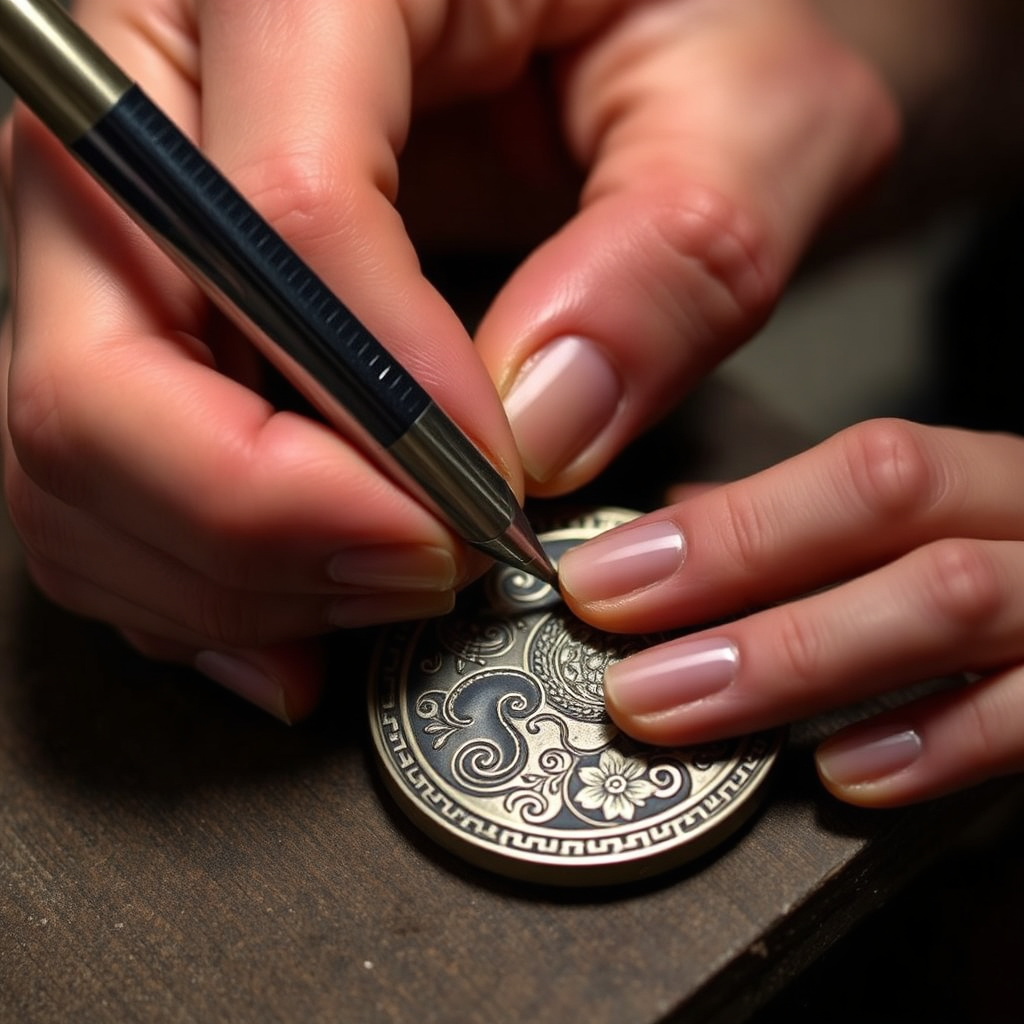
Japanese artisans use time-honored techniques like mokume-gane (wood-grain metal layering), intricate engraving, and cloisonné enamel to create mythology-themed jewelry. These methods demand patience and precision, often resulting in one-of-a-kind pieces that emphasize texture and detail.
Many craftsmen also apply hand-painting and powder inlay to highlight mythological symbols, allowing each item to achieve a multidimensional effect that enhances its storytelling quality.
- Mokume-gane for layered metal patterns
- Engraving for detailed imagery
- Enameling to add color and depth
Styles and Wearability of Japanese Mythology Jewelry
Everyday Wear Styles
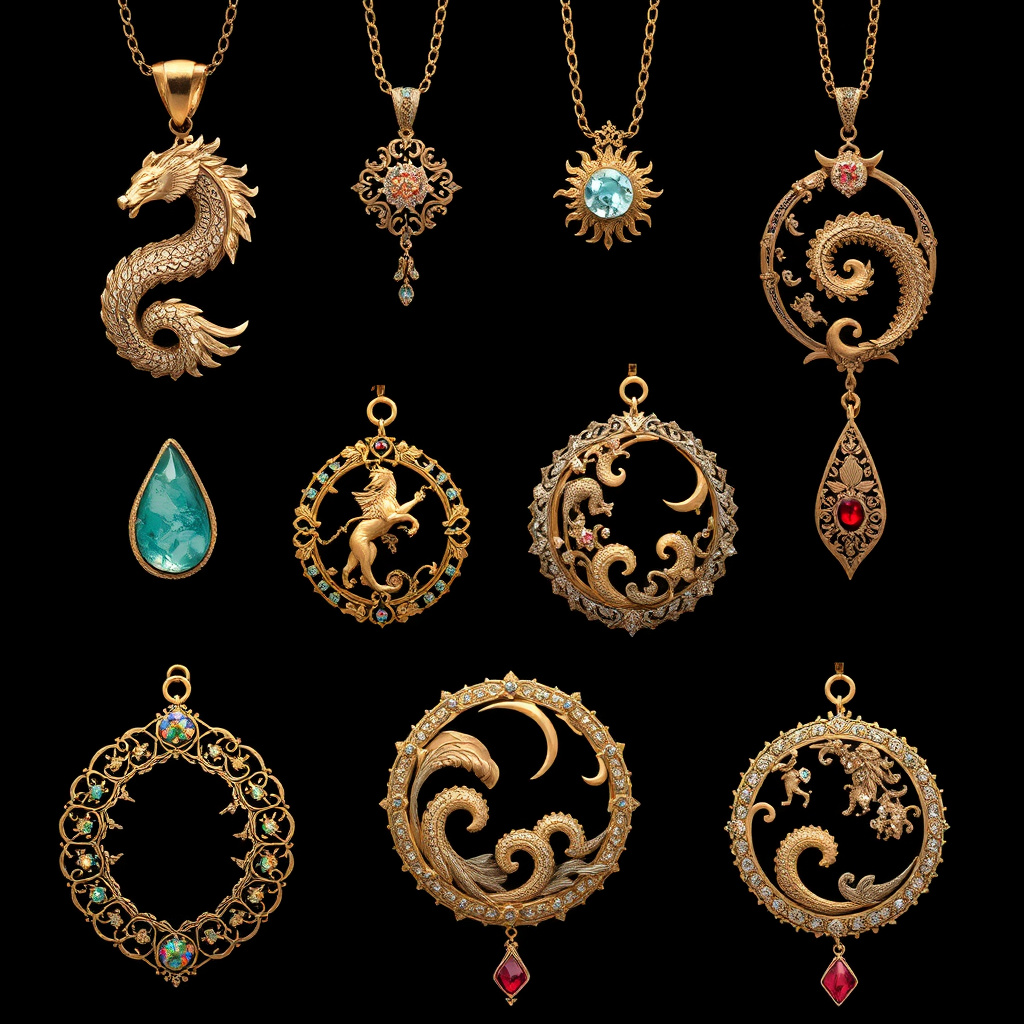
Many pieces inspired by Japanese mythology are designed for everyday wear, including simple pendants, stud earrings, and signet rings. These styles subtly incorporate symbols like the sakura (cherry blossom) or the torii gate, allowing wearers to celebrate cultural heritage without overwhelming ornamentation.
The blend of tradition with minimalist modern design makes this jewelry versatile, suitable for both casual and formal settings.
- Minimalist pendants
- Small stud earrings
- Subtle cultural motifs
Statement Pieces for Special Occasions
For those seeking bold expression, statement pieces such as large dragon bracelets, caste metal necklaces with mythical creatures, or intricate kitsune masks offer a dramatic flair. These items often feature elaborate craftsmanship and can serve as conversation starters or focal points in fashion.
Such pieces pair well with traditional Japanese attire as well as contemporary outfits, bridging old and new worlds effectively.
- Large, detailed motifs
- Embellished with stones or enamel
- Used in festivals and special events
Selecting Authentic Japanese Mythology Jewelry
Verifying Authenticity and Origin
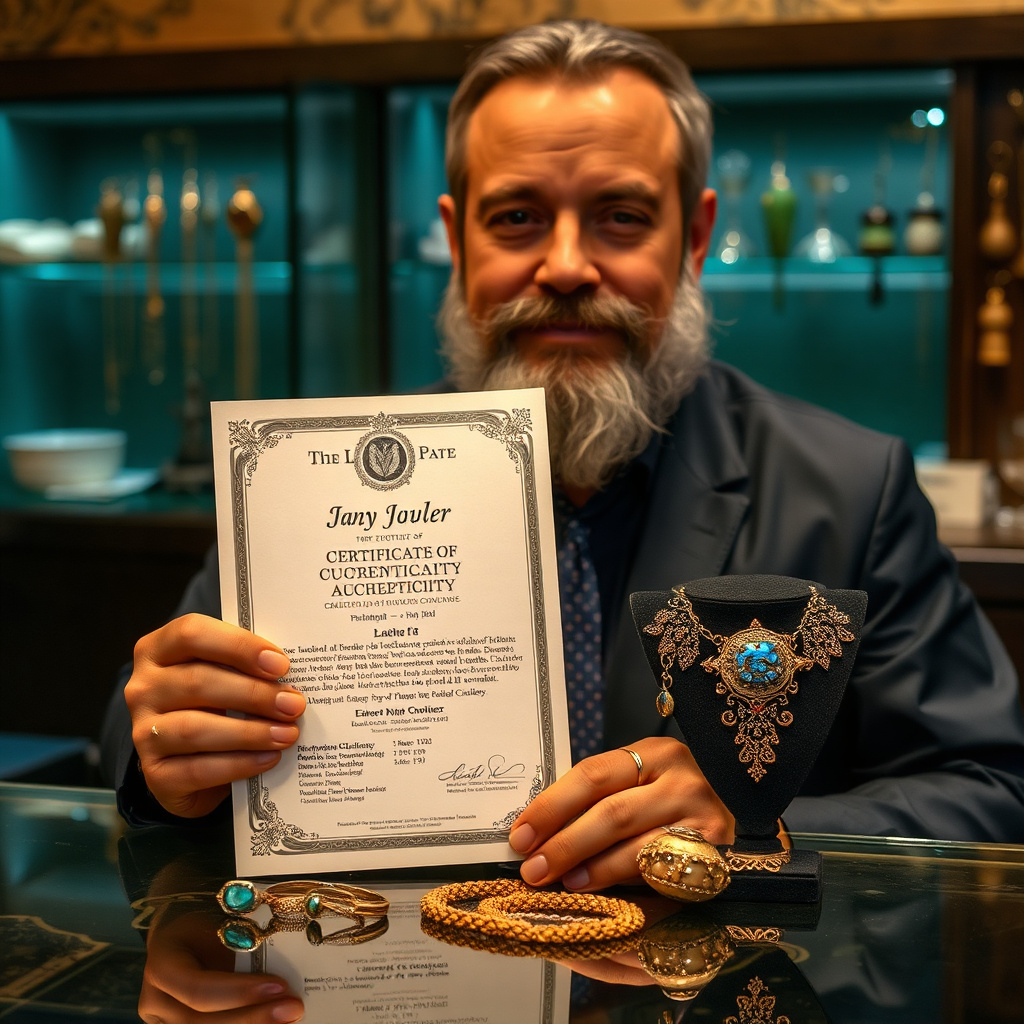
Authentic Japanese mythology jewelry often comes with certificates marking artisan origins or traditional techniques used, especially for pieces labeled as handcrafted. Checking maker marks, material quality, and provenance can help differentiate genuine items from mass-produced souvenirs.
Sourcing jewelry from established artisans or reputable galleries specializing in traditional Japanese crafts reduces the risk of buying counterfeit or inauthentic pieces.
- Look for artisan stamps
- Request provenance documentation
- Buy from trusted sources
Understanding Price Ranges
Prices for these jewelry pieces vary widely depending on materials, craftsmanship, and complexity of the mythological designs. Simple silver motifs might range from affordable to moderate pricing, while gold or hand-enameled items command higher values due to labor intensity and material costs.
Collectors should weigh emotional and cultural significance alongside budget when purchasing, as value may appreciate over time with artful, authentic work.
- Silver pieces generally economical
- Gold and jade demand premium prices
- Handcrafted works cost more
Caring for Japanese Mythology Jewelry
Cleaning and Maintenance Tips
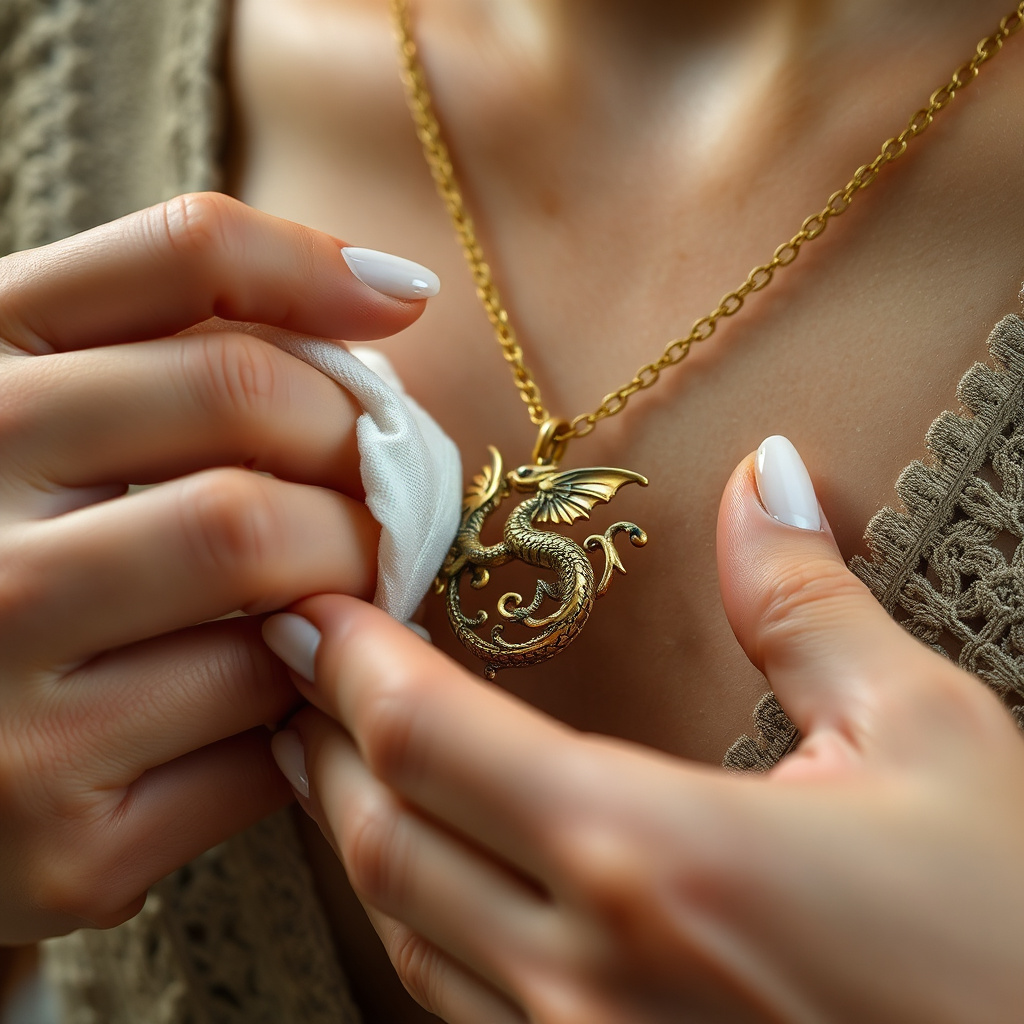
To preserve the intricate details and materials, clean Japanese mythology jewelry gently using soft cloths and mild soap solutions. Avoid harsh chemicals that could damage enamel or tarnish metals. Regular inspection for loose stones or wear helps maintain long-term beauty.
Storage in individual pouches or velvet-lined boxes prevents scratches and keeps delicate motifs intact.
- Use soft cloths
- Avoid abrasive cleaners
- Store separately to prevent damage
Handling Special Materials
Items incorporating jade or lacquer require special care due to their fragile nature. Keep jade away from extreme temperatures and lacquered surfaces from direct sunlight to avoid cracking or discoloration. Periodic professional maintenance is recommended for these materials.
Following these guidelines ensures the symbolic meaning and physical beauty remain vibrant through years of wear.
- Protect jade from heat
- Avoid sunlight on lacquer
- Schedule professional cleanings
Incorporating Japanese Mythology Jewelry Into Modern Fashion
Pairing with Western Attire
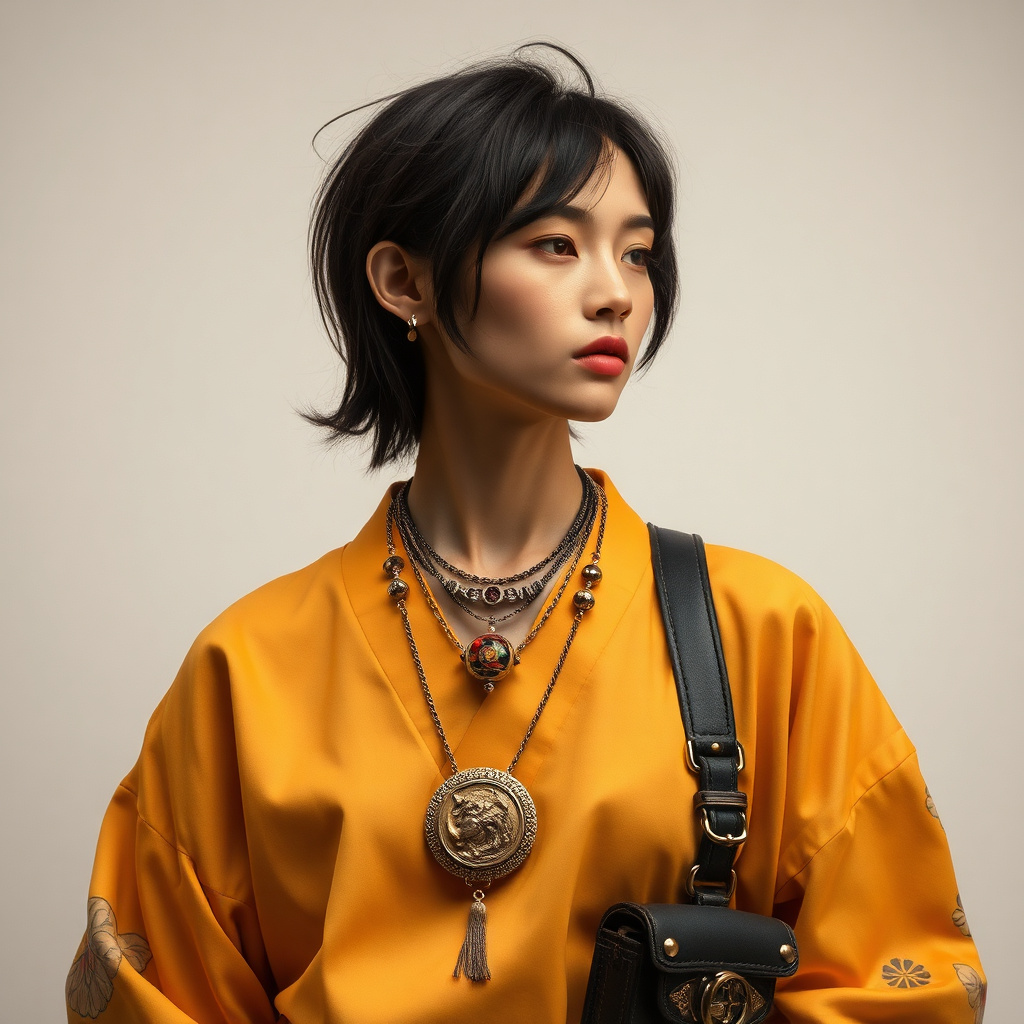
Japanese mythology jewelry complements Western fashion by serving as unique focal points that contrast simplicity with cultural depth. For example, dragon or kitsune pendants add intrigue to casual tees or elegant blouses, balancing subtlety with statement.
Layering multiple smaller pieces inspired by traditional patterns works well for a bohemian or eclectic aesthetic.
- Use pendants as statement pieces
- Combine traditional and modern
- Mix smaller items for layered looks
For a deeper understanding of the stories behind these jewelry designs, see this detailed Japanese mythology overview. Japanese mythology overview.
Enhancing Traditional Japanese Outfits
When worn with kimono or yukata, mythology-themed jewelry enhances the storytelling aspect of the garments. Matching colors and symbols reinforces cultural ties, while jewel-toned stones add moments of sparkle without overpowering fabric elegance.
Artful contrasts between delicate jewelry and bold textile patterns create a balanced visual harmony attractive in festivals or ceremonies.
- Match jewelry colors to outfit
- Focus on symbolic harmony
- Use subtle sparkle to enhance traditional looks
Japanese Mythology Jewelry Category Comparison
This table compares popular categories of Japanese mythology jewelry based on symbolism, materials, price range, and typical wear occasions.
| Category | Symbolism | Materials | Price Range | Typical Use |
|---|---|---|---|---|
| Dragon Jewelry | Power, protection, wisdom | Gold, silver, enamel | $150-$800 | Everyday to special occasions |
| Kitsune Jewelry | Intelligence, magic, transformation | Silver, amber, jade | $100-$600 | Casual wear and festivals |
| Sakura (Cherry Blossom) Jewelry | Renewal, beauty, transience | Silver, enamel, lacquer | $80-$400 | Everyday and spring events |
| Torii Gate Jewelry | Spiritual gateway, purity | Silver, gold-plated brass | $90-$350 | Everyday and religious ceremonies |
| Yin-Yang and Mythical Symbols | Balance and harmony | Mixed metals, stones | $120-$500 | Work and casual occasions |
Frequently Asked Questions
What makes Japanese mythology jewelry unique compared to other cultural jewelry?
Japanese mythology jewelry uniquely integrates ancient stories and spiritual symbols from Shinto and Buddhist traditions, resulting in designs that carry deep cultural meanings beyond ornamentation.
Can I wear Japanese mythology jewelry daily without damage?
Yes, many pieces crafted from durable metals like silver and gold are suitable for daily wear, but delicate items with lacquer or jade need more careful handling.
Are there typical occasions for wearing mythology-inspired jewelry in Japan?
Such jewelry is often worn at cultural festivals, religious ceremonies, or as personal talismans, though many modern pieces adapt well to everyday fashion.
How can I authenticate genuine Japanese mythology jewelry?
Look for artisan marks, authenticity certificates, and verify purchase from respected sources specializing in traditional Japanese crafts.
Is it appropriate to gift Japanese mythology jewelry to someone unfamiliar with the culture?
Yes, it can be a meaningful gift that introduces the recipient to rich Japanese folklore, especially if accompanied by explanations of the symbols involved.
Key Takeaways
- Japanese mythology jewelry intertwines cultural stories with meaningful symbols.
- Materials range from silver and gold to jade and lacquer for diverse appearances.
- Styles vary from subtle everyday wear to bold statement pieces.
- Caring for delicate materials preserves jewelry’s longevity and symbolism.
Conclusion
Choosing Japanese mythology jewelry involves balancing aesthetic appeal with cultural significance. Understanding the symbolism behind dragons, kitsune, and other motifs allows buyers to select pieces that resonate on a personal level. Consider craftsmanship and material quality alongside visual design to find jewelry that narrates ancient tales while fitting your style.
Depending on your preferences, minimalist designs featuring sakura or torii gates offer understated cultural nods suitable for daily use. In contrast, elaborate dragon or kitsune-inspired pieces provide striking expression for special occasions or collectors seeking authentic folklore art. Prioritizing reputable sources assures craftsmanship integrity and authenticity. Exploring traditional Japanese jewelry designs can enhance your appreciation of the jewelry’s rich background.
Before purchasing, assess your lifestyle and how you intend to wear the piece. For everyday wear, opt for durable metals and simpler designs. Save intricate enamel or jade works for occasions requiring extra care. Supplement your jewelry with knowledge of its myths to deepen your connection to it, making your collection not just decorative, but meaningful and timeless.
One Comment