
How to Choose Egyptian Jewelry That Reflects Timeless Craftsmanship
Discover how to choose Egyptian jewelry that blends ancient artistry with modern style. Find tips on selecting authentic and beautiful pieces.
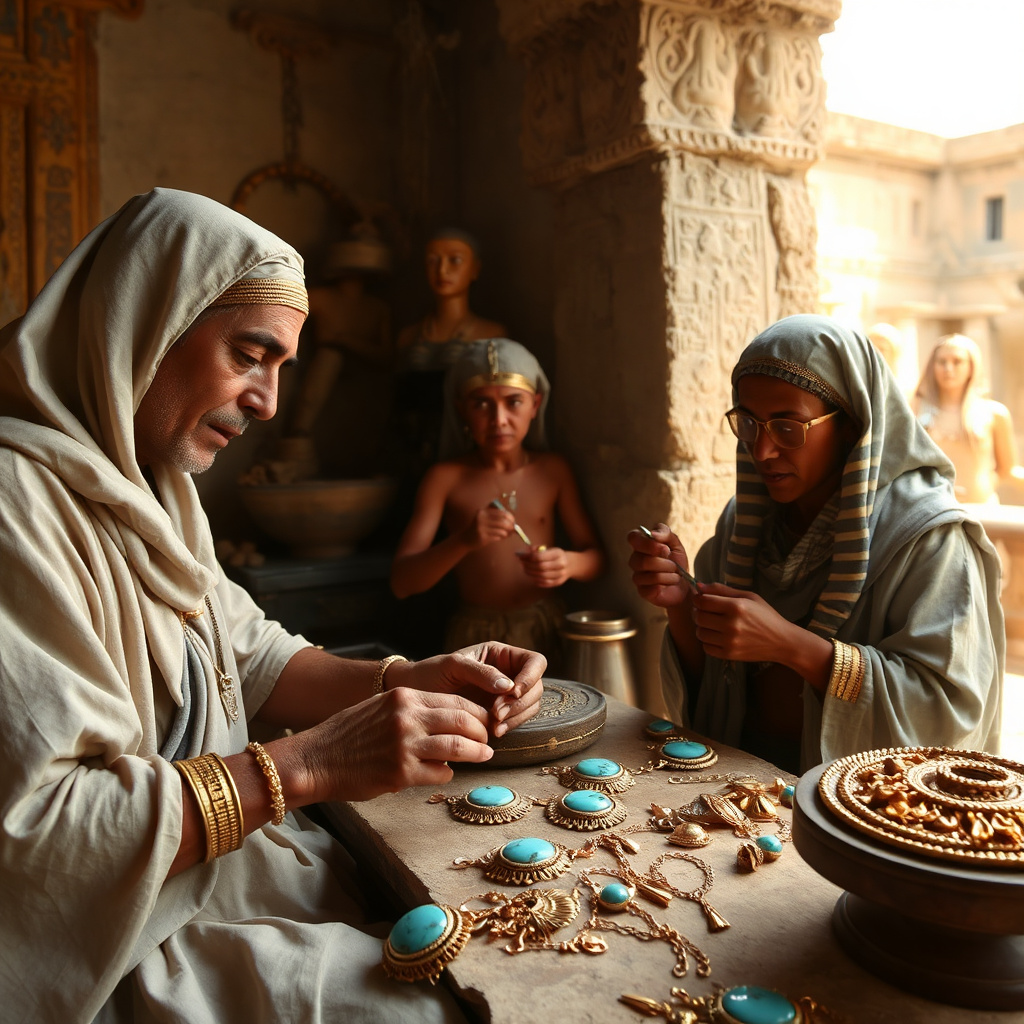
Egyptian jewelry has captivated people for thousands of years with its distinctive motifs, rich symbolism, and expert craftsmanship. If you want to choose Egyptian jewelry, start by understanding the materials and symbols traditionally used, such as gold, lapis lazuli, and the ankh. Selecting authentic or well-inspired pieces ensures you carry a meaningful accessory that honors this heritage.
This jewelry’s appeal lies not only in its beauty but also in its deeply rooted significance in ancient culture. Ancient Egyptian jewelry designs often represented protection, status, and spiritual beliefs, making them more than just adornments. Today, artisans keep these traditions alive while adapting the styles to suit contemporary tastes.
This article will guide you through the history and symbolism behind Egyptian jewelry, how to identify quality craftsmanship, materials to look for, different styles available, and tips for incorporating these pieces into your personal collection.
Understanding the History of Egyptian Jewelry
Origins and Evolution Through Dynasties
Egyptian jewelry dates back to the Predynastic period, evolving significantly through the Old, Middle, and New Kingdoms. Styles shifted from simple beadwork to intricate gold designs featuring symbols like scarabs and falcons. These pieces reflected both the wearer’s status and religious beliefs.
Different dynasties introduced new techniques such as cloisonné enamel and granulation, increasing the complexity and artistic value of the jewelry. Understanding this timeline helps collectors appreciate the cultural context behind each style.
Symbolism in Ancient Egyptian Jewelry
Many Egyptian jewelry motifs carried symbolic meanings, such as the ankh for life, the eye of Horus for protection, and the scarab beetle for rebirth. These symbols were thought to offer spiritual benefits to the wearer.
Recognizing these symbols enhances the experience of choosing Egyptian jewelry, ensuring your selection aligns with your personal values or aesthetic preferences.
Materials Used in Egyptian Jewelry
Gold and Its Significance
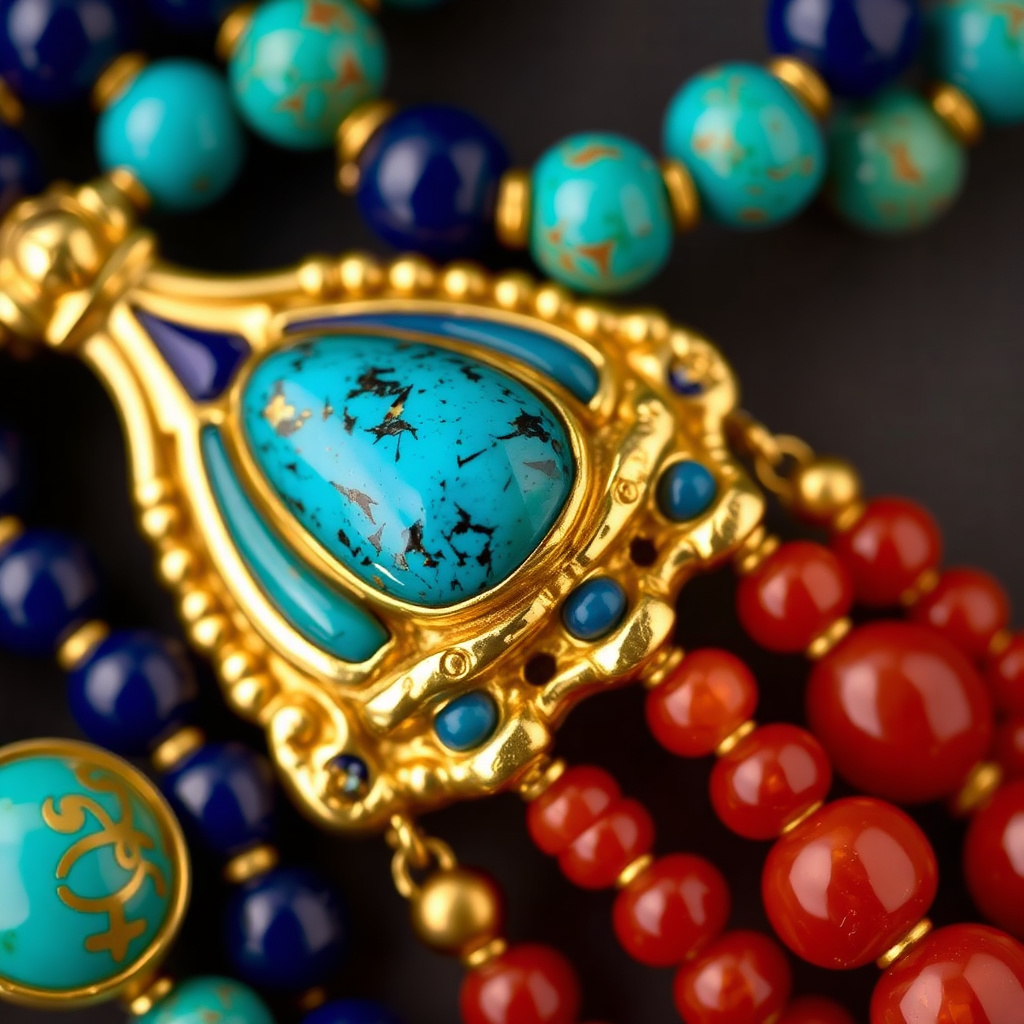
Gold was the most prized metal in Egyptian jewelry because of its rarity, shine, and association with eternity and the divine. Egyptian artisans perfected techniques to create lightweight yet intricate pieces using gold.
In modern Egyptian jewelry, gold remains a central material, often in 18K or 22K purity, offering durability and that iconic warm glow synonymous with the culture.
Gemstones and Colored Materials
Gemstones such as lapis lazuli, turquoise, carnelian, and malachite were commonly used to add color and meaning. Lapis lazuli symbolized royalty and spirituality, while turquoise brought protection.
When selecting Egyptian jewelry, look for authentic or well-crafted imitations of these stones, as they significantly contribute to the piece’s cultural value and aesthetic appeal.
Craftsmanship and Technique in Egyptian Jewelry
Goldsmithing Techniques
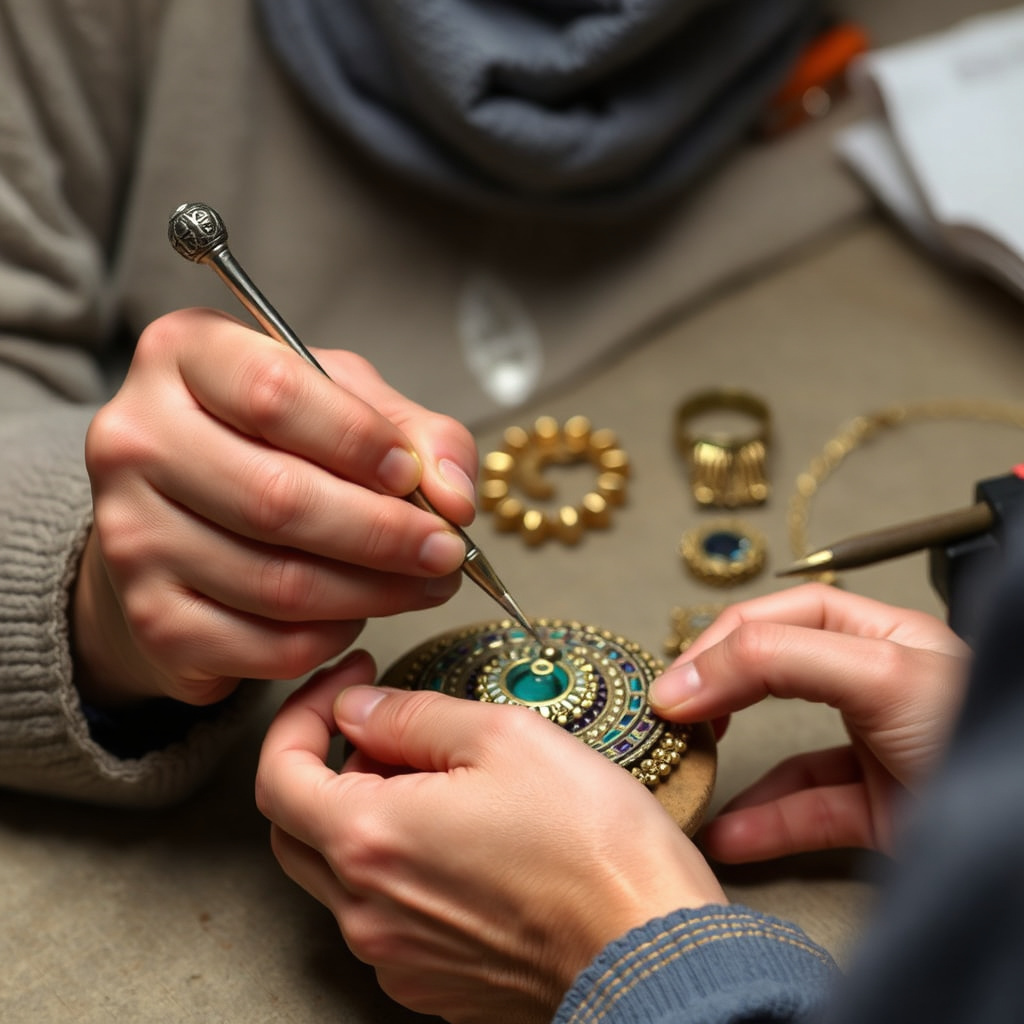
Ancient Egyptian goldsmiths used advanced techniques like granulation, filigree, and repoussé to create detailed patterns and textures. These skills allowed for lifelike representations of natural and sacred elements.
Today’s makers who emulate these methods maintain a strong connection to traditional Egyptian jewelry craftsmanship, ensuring quality and authenticity.
Enamel and Inlay Work
Cloisonné enamel involved creating compartments filled with powdered glass or colored stones, producing vibrant, durable surfaces. Inlay work also allowed for colorful contrasts using semi-precious stones.
Pieces made with these methods tend to have higher artistry and value, giving modern collectors pieces with authentic Egyptian flair.
Styles and Categories of Egyptian Jewelry
Amulets and Symbolic Pendants
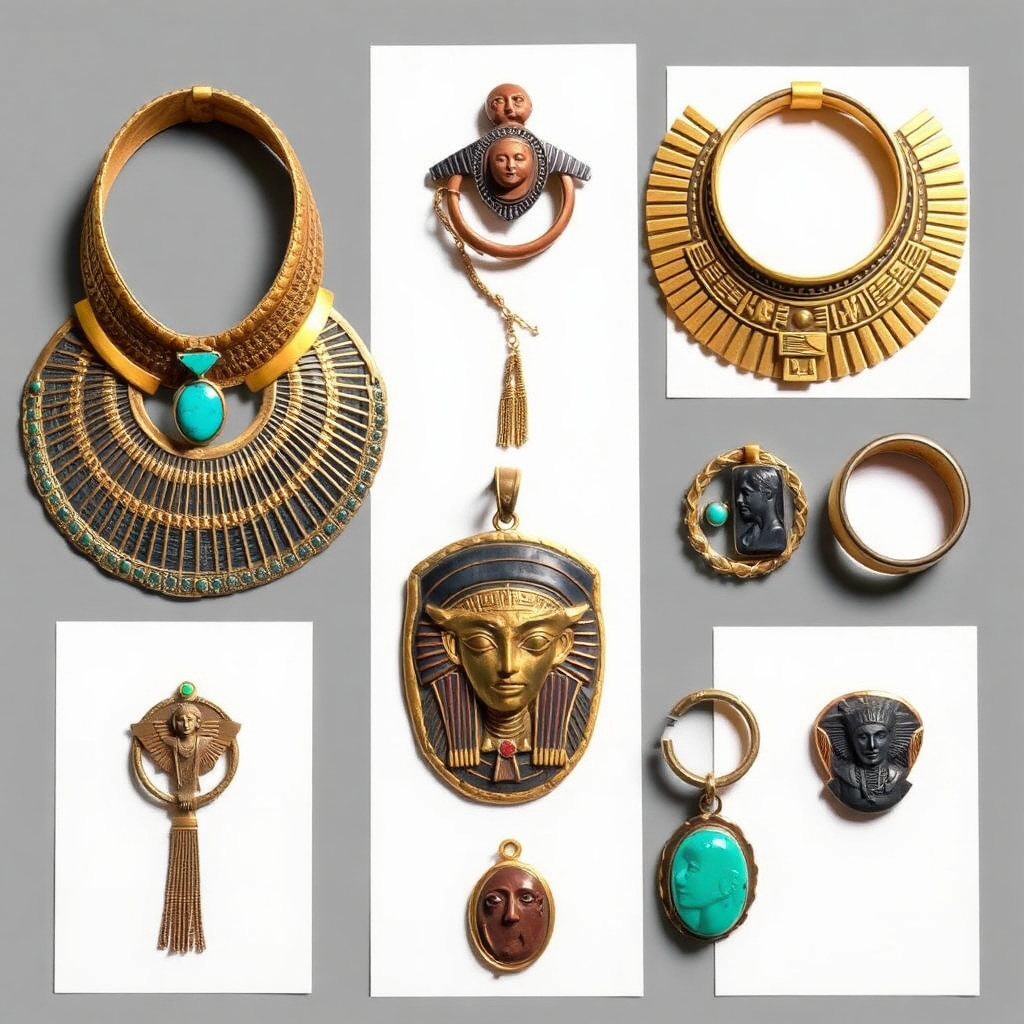
Amulets featuring symbols like the scarab, ankh, or eye of Horus were traditionally worn for protection and good fortune. Today, these pendants remain popular, blending spiritual meaning with wearable art.
Choosing amulets in classic or modern interpretations allows you to wear a piece that is both fashionable and deeply meaningful.
Broad Collar Necklaces and Bracelets
Broad collars, known as wesekhs, are iconic Egyptian jewelry pieces that combine rows of beads and gold links, often in vibrant colors. Bracelets commonly reflect similar styles, with elaborate designs and motifs.
These pieces make statement accessories and embody the historic grandeur of Egyptian craftsmanship.
Buying Egyptian Jewelry: Tips and Considerations
Authenticity and Quality Checks
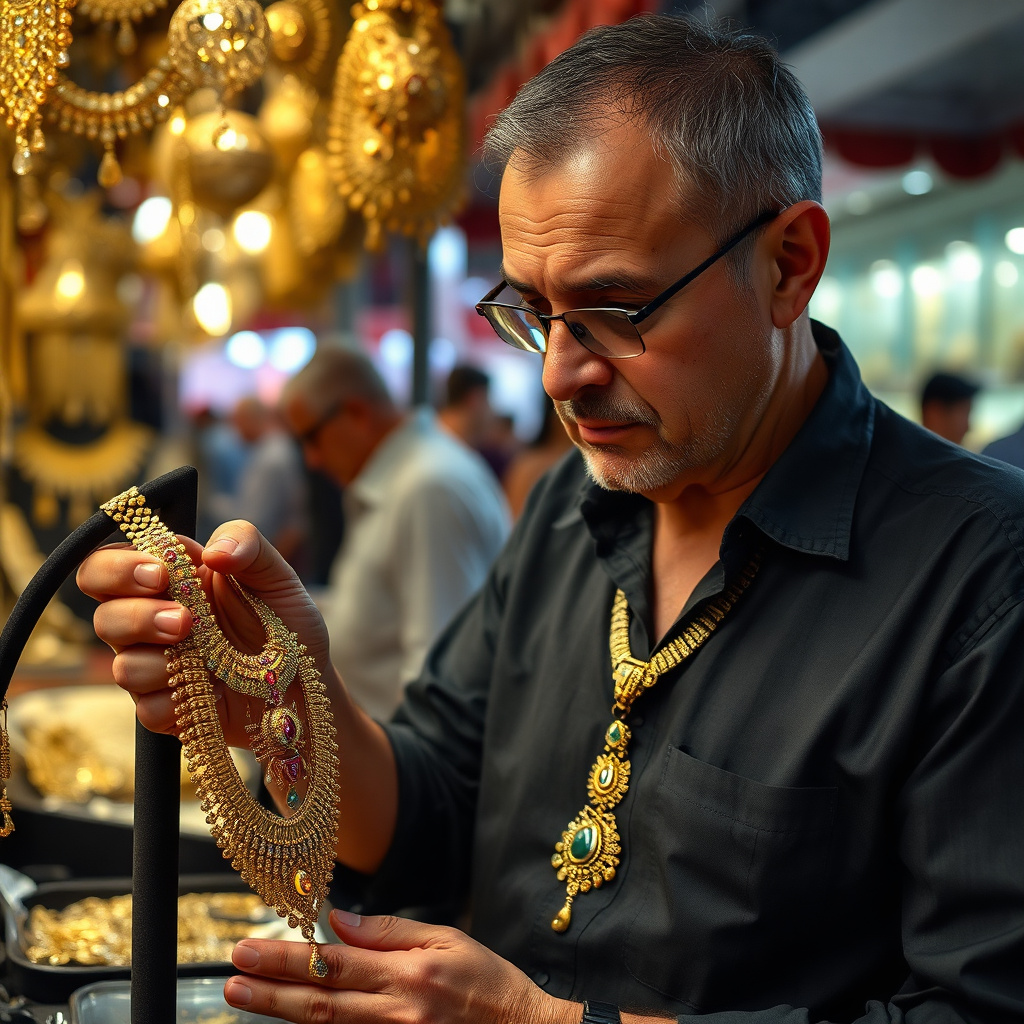
Look for hallmarks or certificates indicating gold purity and stone authenticity. Research sellers' reputations to avoid mass-produced imitations lacking craftsmanship and cultural accuracy.
Quality Egyptian jewelry stands out through detail precision, sturdy settings, and color harmony in gemstones or enamel.
- Verify gold karat marks (e.g., 18K, 22K)
- Check gemstone authenticity with a jeweler
- Ask about the artisan or brand history
Styling and Care Advice
Egyptian jewelry pairs well with both casual and formal wear—use broad collars for special occasions and delicate amulets for everyday style. Clean gold with mild soap and avoid harsh chemicals to retain shine.
Storing pieces separately prevents scratching, especially with detailed filigree or enamel work.
- Store jewelry in padded boxes
- Clean gently with soft cloth
- Avoid exposure to chlorine and perfumes
Where to Find Authentic Egyptian Jewelry
Local Artisan Markets and Museums
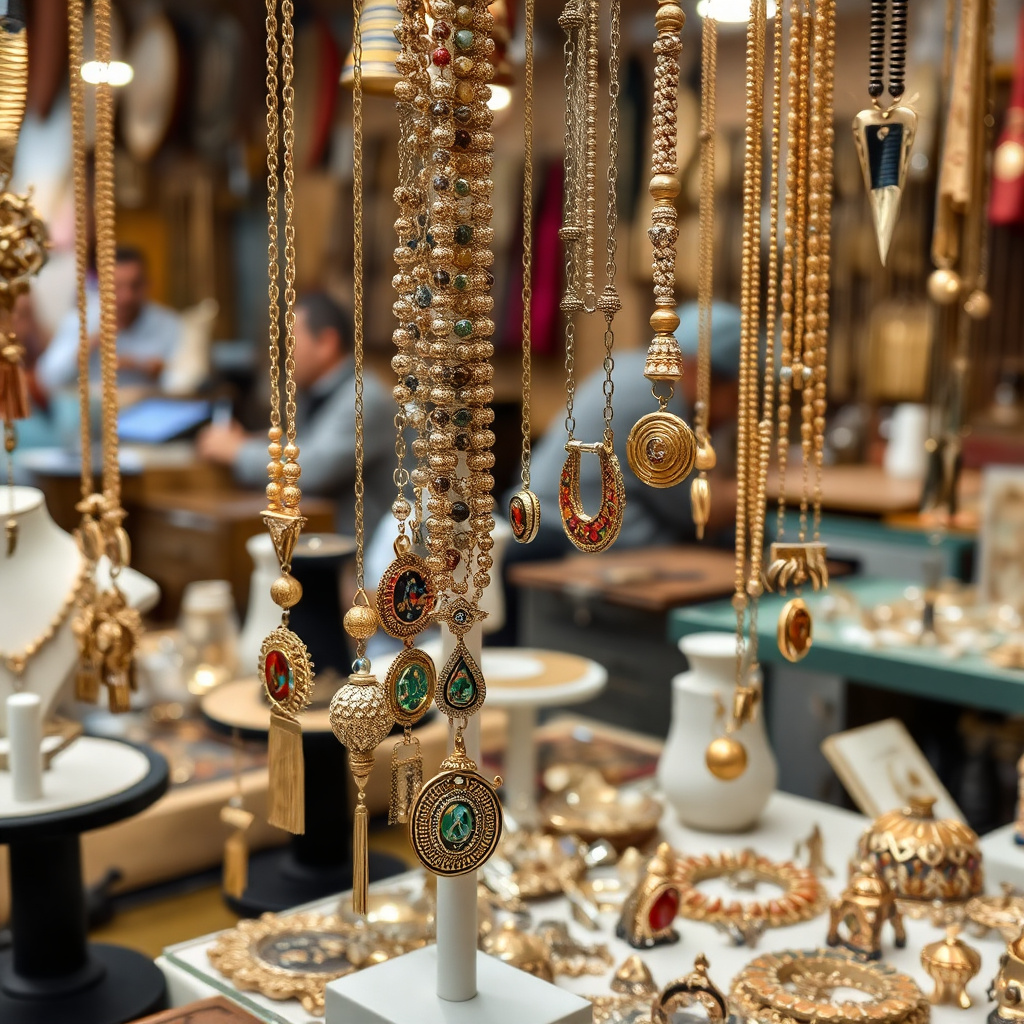
Visiting Cairo’s Khan El Khalili market or Egyptian museums often yields authentic handmade jewelry crafted by local artisans well versed in ancient techniques.
Purchasing from these sources supports traditional craftsmanship and provides pieces with clear provenance and cultural stories.
For readers interested in more detailed background, the Wikipedia article on Ancient Egyptian jewelry offers extensive historical information and imagery. Ancient Egyptian jewelry.
Reputable Online Retailers and Brands
Several specialized online shops offer Egyptian jewelry designed by skilled artisans, with detailed descriptions about materials and techniques used. Look for those with positive reviews and return policies.
Online purchases make Egyptian jewelry more accessible globally but always demand thorough quality verification.
Egyptian Jewelry Styles Comparison
Here’s a comparison to help understand differences among popular categories of Egyptian jewelry, focusing on materials, symbolism, and occasions.
| Category | Material | Typical Symbolism | Best Occasion |
|---|---|---|---|
| Amulets & Pendants | Gold, Lapis Lazuli, Carnelian | Protection, Life, Rebirth | Everyday wear, Spiritual events |
| Broad Collar Necklaces | Gold, Multicolored stones | Status, Wealth, Divinity | Formal occasions, Celebrations |
| Bracelets | Gold, Turquoise | Strength, Protection | Casual to formal |
| Rings | Gold, Enamel | Eternity, Power | Daily wear, Rituals |
Frequently Asked Questions
What distinguishes genuine Egyptian jewelry from modern replicas?
Genuine Egyptian jewelry uses authentic materials like high-karat gold and natural stones, demonstrates traditional craftsmanship techniques, and often includes symbolic motifs with cultural meaning. Replicas may use cheaper materials and lack detailed artistry.
Can I find affordable Egyptian jewelry that still reflects traditional designs?
Yes, many artisans create pieces inspired by ancient designs using gold plating or silver with synthetic stones, offering an affordable way to enjoy Egyptian jewelry’s beauty and symbolism.
How should I care for Egyptian jewelry with enamel or gemstone inlays?
Clean gently with a soft cloth and mild soap solution, avoid harsh chemicals, and store separately in padded cases to protect delicate enamel and stone settings from scratches.
Are there common symbols I should look for when buying Egyptian jewelry?
Key symbols include the ankh (life), scarab (rebirth), and the eye of Horus (protection). Choosing a piece with meaningful symbolism adds a spiritual connection and cultural depth.
Is it better to buy Egyptian jewelry in person or online?
Buying in person allows close inspection and cultural context, especially at artisan markets. Online shopping offers convenience but requires choosing reputable sellers and verifying authenticity carefully.
Key Takeaways
- Egyptian jewelry encompasses rich history and deeply symbolic designs.
- Materials like gold and lapis lazuli define its authenticity and value.
- Traditional craftsmanship techniques create detailed, meaningful pieces.
- Choose jewelry reflecting your style and the cultural significance you appreciate.
Conclusion
Selecting Egyptian jewelry involves balancing appreciation for its storied past with personal taste. Understanding the history, symbolism, and materials used in these pieces is essential to making an informed choice that resonates beyond aesthetics. The unique artistry of ancient Egyptian craftsmanship is reflected in each detail, whether the precise granulation in gold or the vibrant lapis lazuli inlays, offering collectors a connection to millennia-old traditions.
When narrowing your options, consider the categories such as amulets, broad collars, bracelets, and rings — each serving distinct roles and occasions. For example, broad collar necklaces make impressive formal statements, while amulets carry personal spiritual significance for daily wear. Trusted sources like Cairo’s artisan markets or reputable online platforms specializing in traditional designs ensure provenance and quality. Pay close attention to hallmarking and gemstone authenticity to avoid modern imitations.
Ultimately, let your choice of Egyptian jewelry be guided not only by its beauty but by the story and tradition it carries. Start by selecting symbolic amulets if you want a subtle connection to the culture or embrace bold collars to celebrate Egyptian elegance. The next step is to find jewelry that feels meaningful and suits your lifestyle, allowing these treasures to become lasting heirlooms or cherished personal adornments.