How to Get Rid of Sunglasses Scratches: Effective Methods to Restore Clarity
Learn how to get rid of sunglasses scratches quickly and safely with proven techniques to restore your lenses’ clarity and prolong their life.
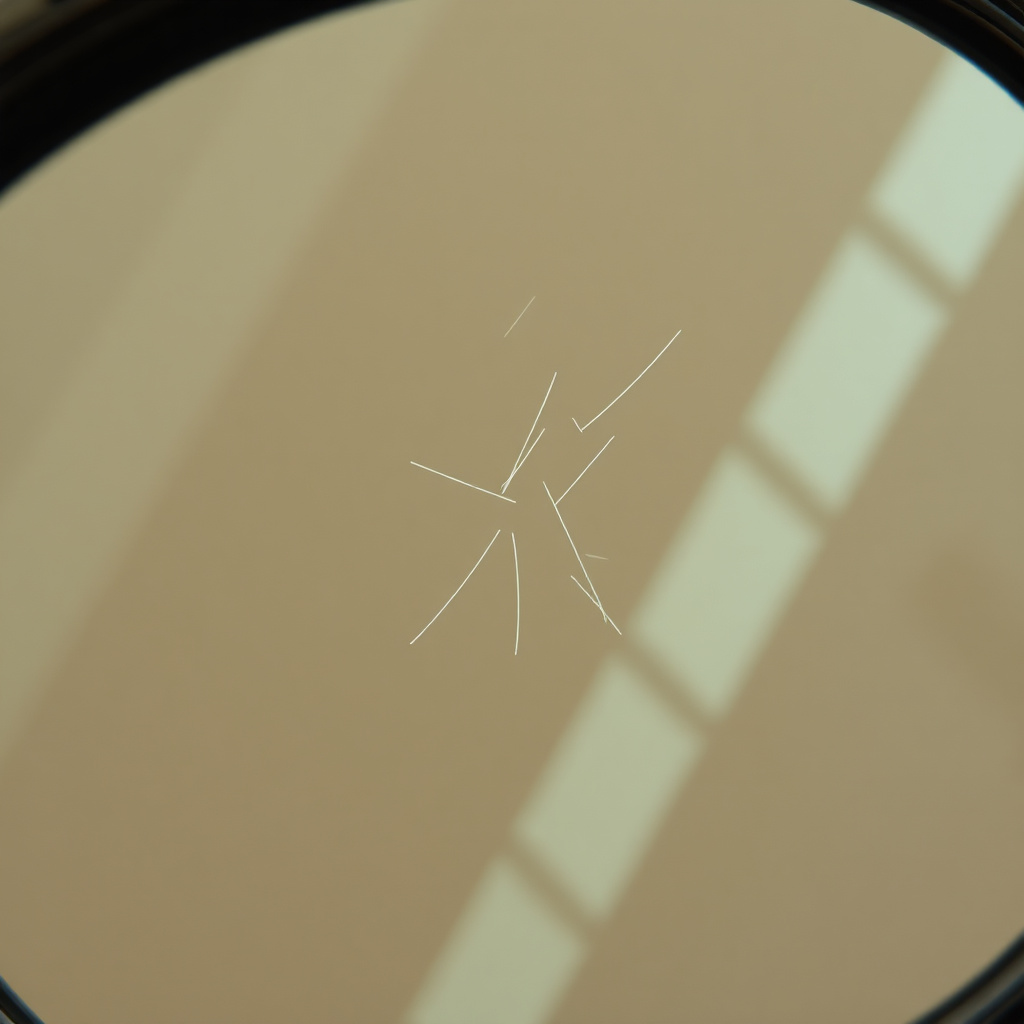
If your sunglasses have frustrating scratches, there are several ways to get rid of them and improve your vision while wearing them. From simple home remedies that use common household items to more specialized solutions, you can reduce the appearance of scratches and extend the life of your lenses without replacing them immediately.
Scratches on sunglasses not only impair vision clarity but can also ruin the protective coatings that shield your eyes from UV rays and glare. Repairing these marks helps maintain both the visual performance and the longevity of the glasses. Understanding which method suits your particular lens material and coating is key to avoiding further damage.
This article covers a range of techniques for treating sunglasses scratches, including household fixes, professional repair options, and when replacement might be more practical. You’ll learn how to safely clean, polish, and protect your sunglasses to get the best results.
Understanding Sunglasses Scratches and Lens Types
Lens materials and their vulnerability to scratches
Sunglasses lenses are typically made from plastic, polycarbonate, or glass, each with different scratch resistance levels. Plastic lenses are lightweight and affordable but scratch easily compared to glass, which resists scratches better but is heavier and prone to shattering. Polycarbonate lenses are impact-resistant but susceptible to surface marks.
Knowing your lens type helps in selecting the right technique to get rid of sunglasses scratches without causing additional damage. For example, some abrasive methods suitable for plastic can ruin specialized coatings on glass lenses.
Types of coatings and their effect on scratch repair
Many sunglasses feature anti-reflective, UV-blocking, or mirror coatings. These delicate layers enhance performance but damage easily through improper cleaning or harsh treatments. Attempting to remove scratches without considering coatings can strip these protective finishes, worsening the problem.
Before applying any scratch-removal method, check if your sunglasses have a coating and research if the chosen method is compatible. Non-abrasive solutions tend to preserve coatings better.
Household Remedies to Get Rid of Sunglasses Scratches
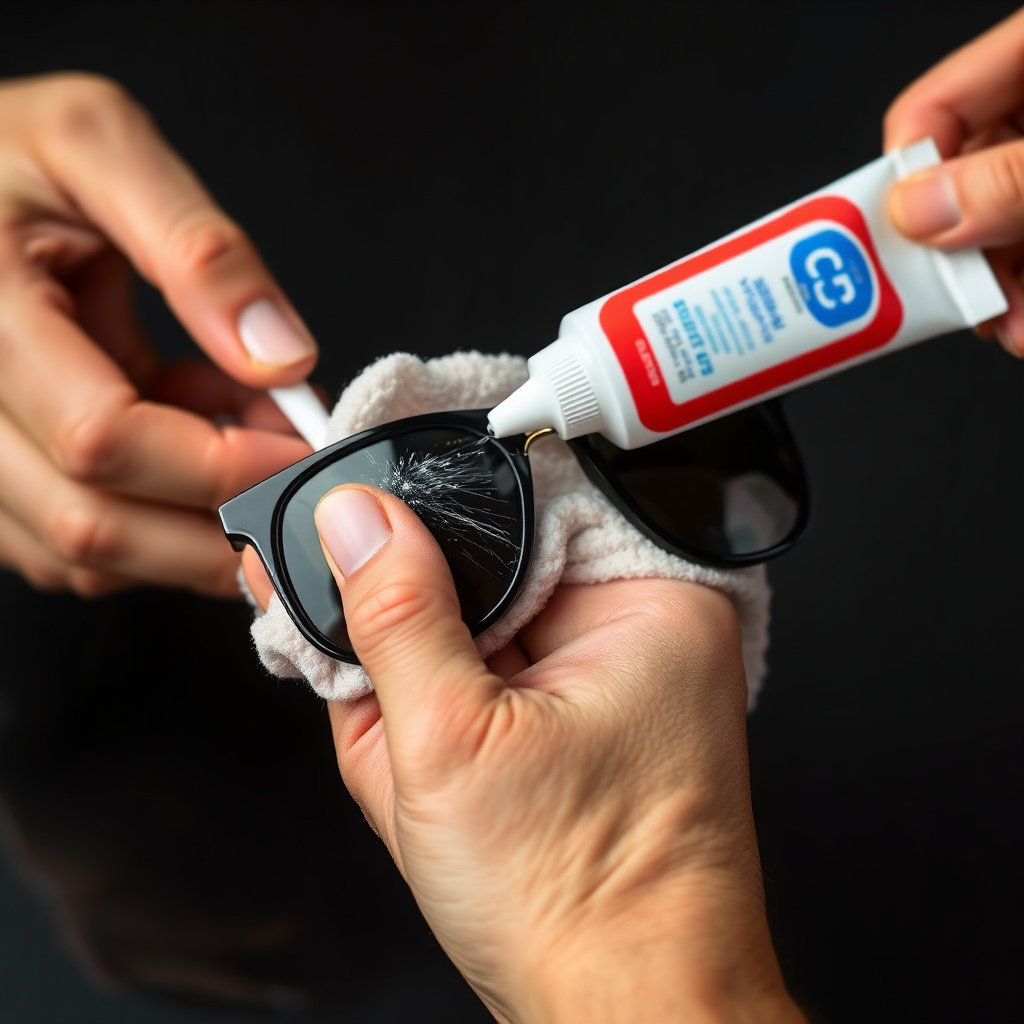
Using toothpaste as a mild abrasive
Non-gel toothpaste can act as a gentle abrasive polish to buff out minor scratches. Applying a small amount with a soft microfiber cloth in circular motions for a few minutes can reduce surface imperfections.
After polishing, rinse the lenses with water and dry thoroughly. This method works best on plastic lenses without coatings, as the abrasive particles may wear off delicate finishes.
- Use a plain, non-gel toothpaste
- Apply with a soft cotton or microfiber cloth
- Polish gently in small circles
- Rinse and dry fully afterward
Baking soda paste for scratch removal
A paste made from baking soda and water offers another mild abrasive option. Mixing the two into a thick paste and rubbing it gently over scratches can diminish their visibility on plastic lenses.
After application, carefully rinse off the paste to avoid residue that can cause haziness. This method is similarly best for uncoated plastic lenses to protect vulnerable coatings.
- Combine baking soda with water into a thick paste
- Use a microfiber cloth to polish scratches
- Rinse with cool water after polishing
Specialized Products and Repair Kits
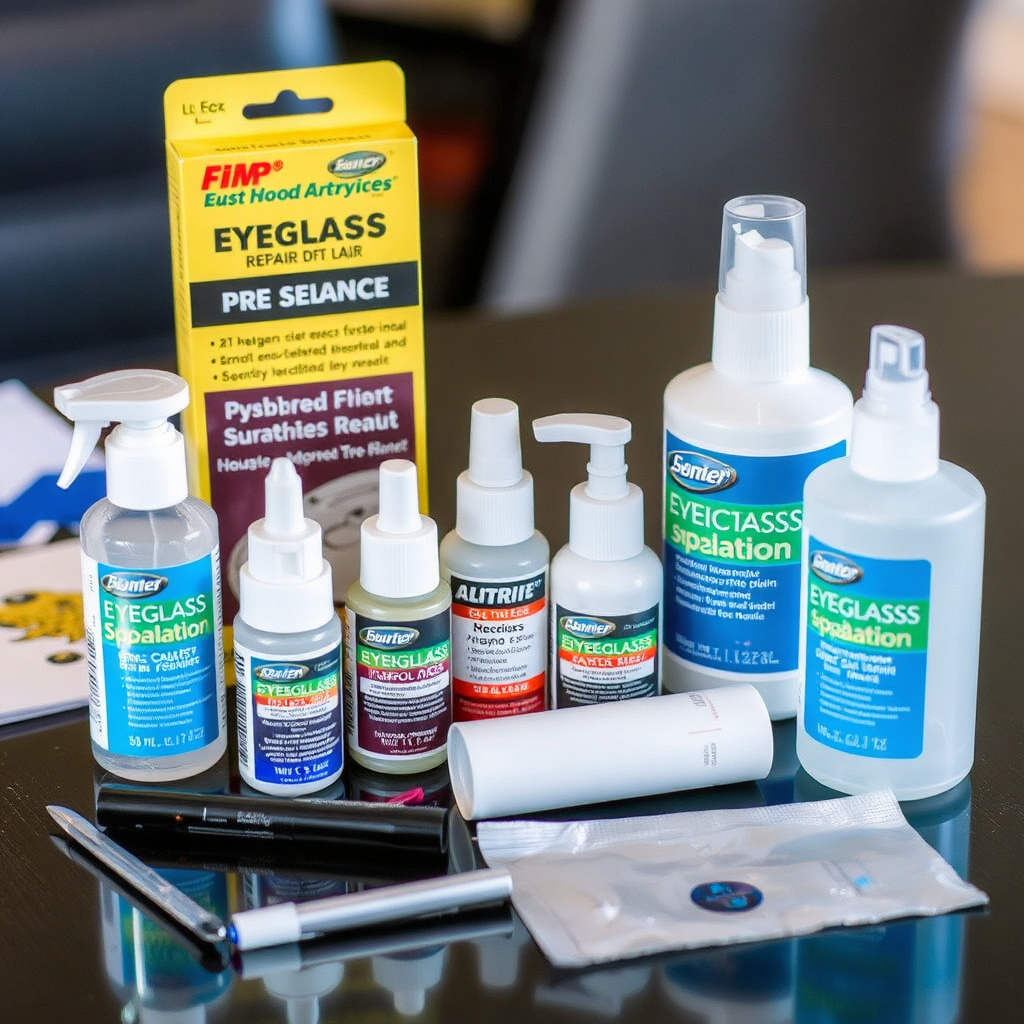
Commercial scratch removal creams
There are many products designed specifically for removing or minimizing scratches on sunglasses. These creams usually contain fine polishing compounds designed to be safe on most lens materials and coatings.
Using a product following the manufacturer’s instructions can restore lens clarity more effectively than household remedies, though prices and effectiveness vary widely.
- Check compatibility with your lens type
- Apply sparingly to avoid coating damage
- Polish gently with provided cloth
UV-resistant and anti-scratch coating repair kits
Some repair kits provide solutions to touch up damaged coatings or apply a protective layer after removing scratches. These kits are often aimed at higher-end sunglasses and require careful application to avoid uneven results.
While more complex, these kits can prolong the life of your sunglasses by restoring both optical clarity and protective features, preserving their benefits.
- Includes coating repair solutions and applicators
- Requires patience and careful following of steps
- Can restore UV protection and reduces future scratches
Professional Repair and When to Replace
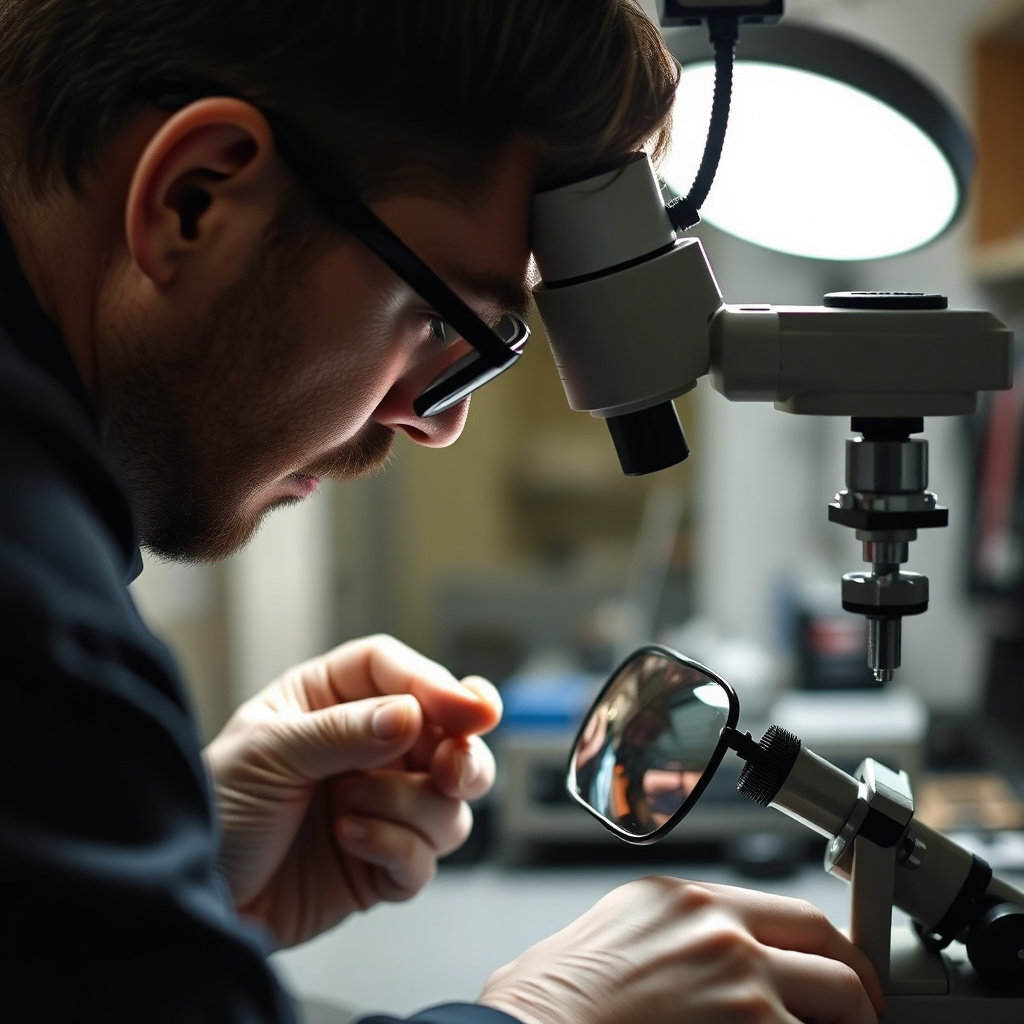
Optician lens polishing and resurfacing
Professional opticians may offer lens polishing services that use advanced machinery and safe abrasives to remove deeper scratches with precision. This service is commonly available for plastic and polycarbonate lenses.
While this can be more costly than DIY methods, it usually yields better, longer-lasting results, especially for expensive sunglasses.
When replacement is a better option
If scratches are deep, impair vision significantly, or damage coatings extensively, replacing lenses or the entire sunglasses might be more sensible. Some lenses are simple and affordable to replace separately, restoring full functionality.
Repeated scratch repair attempts can sometimes worsen the condition, so considering replacement in such cases saves time and preserves quality.
Tips to Prevent Future Scratches on Sunglasses
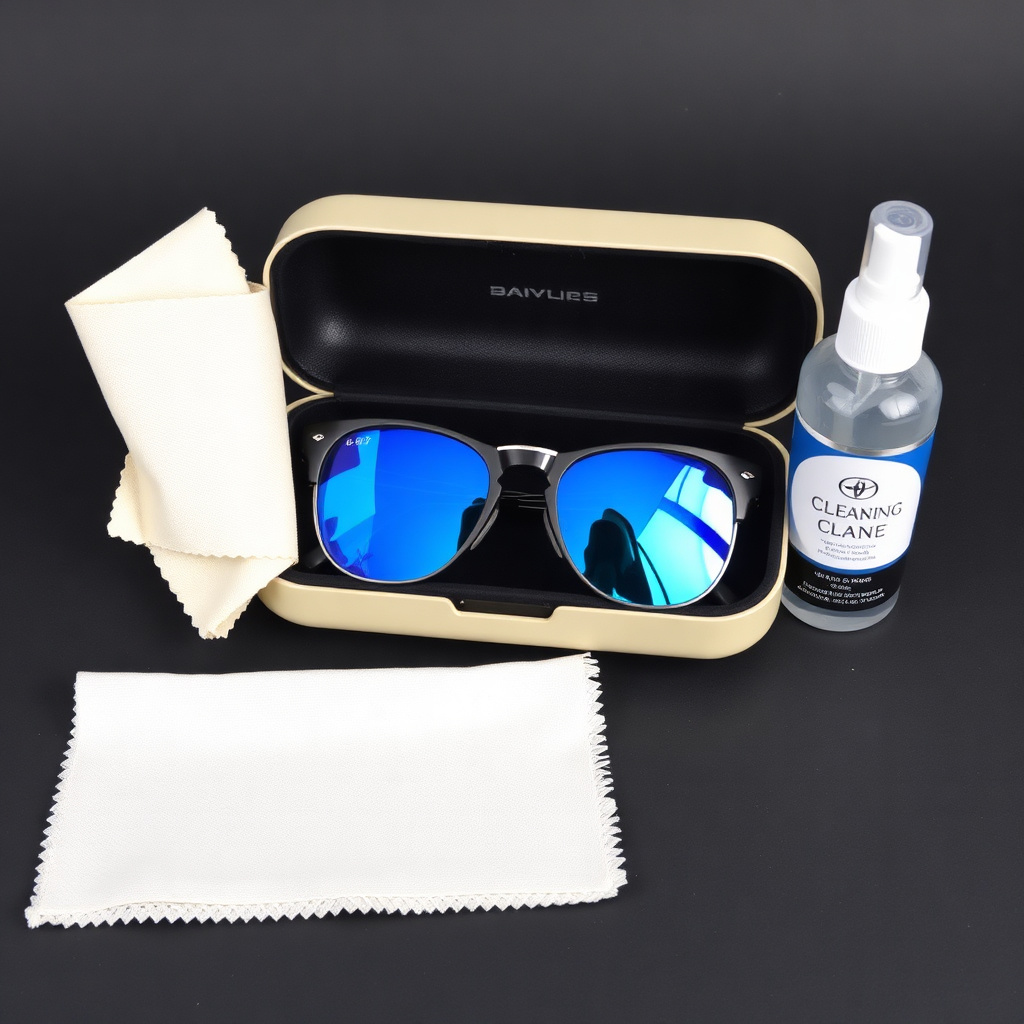
Proper cleaning techniques
Using a microfiber cloth and lens-safe cleaner helps avoid scratches caused by abrasive materials or particles trapped during cleaning. Avoid paper towels, tissues, or rough fabrics on lenses.
Regular gentle cleaning prevents buildup of grit or oils that can scratch the lenses during wear or storage.
- Use lens cleaner spray or mild soap with water
- Always dry with a clean microfiber cloth
- Avoid household cleaners with ammonia or bleach
Storage and handling best practices
Keeping sunglasses in a sturdy, cushioned case when not worn reduces accidental scratching from keys, coins, or drops. Avoid placing them lens-down on surfaces.
Handling sunglasses by the frame instead of lenses also helps maintain their condition.
- Use hard or soft protective cases
- Store sunglasses away from sharp objects
- Hold by temples to avoid smudging lenses
Understanding the Limits of DIY Scratch Removal
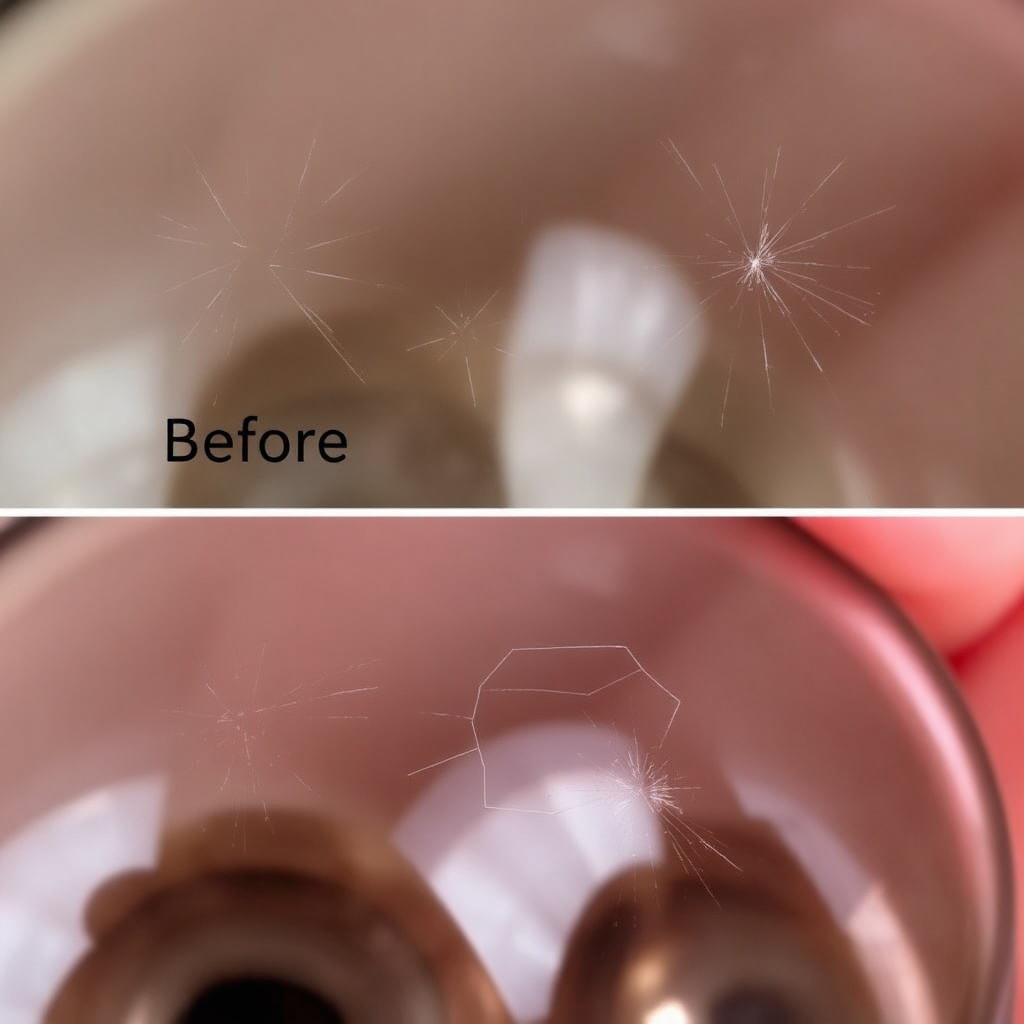
Risks of improper techniques
Using harsh abrasives, chemicals, or excessive force can damage lens coatings irreversibly or cause micro-cracks that worsen over time. Not all scratches respond to DIY fixes, especially deeper gouges.
Awareness of these risks encourages careful trial with low-risk methods first.
For more detailed information on sunglasses and lens materials, check out Sunglasses on Wikipedia. Sunglasses on Wikipedia.
When professional help is necessary
For expensive or coated lenses, professional assessment protects your investment. Specialists can distinguish treatable scratches from damage requiring replacement.
Seeking professional help avoids unintentional damage beyond repair.
Sunglasses Scratch Removal Methods Comparison
This table summarizes various scratch removal methods based on effectiveness, cost, and suitability for lens types.
| Method | Effectiveness | Cost | Best For | Risks |
|---|---|---|---|---|
| Toothpaste | Moderate on light scratches | Low | Uncoated plastic lenses | May damage coatings |
| Baking soda paste | Moderate | Low | Plastic lenses without coatings | Abrasive on coatings |
| Commercial creams | High | Medium | Various lens types | Possible coating damage if misused |
| Professional polishing | Very high | High | Plastic and polycarbonate lenses | Costly, not always available |
| Coating repair kits | Moderate | Medium | Coated lenses | Requires careful application |
| Lens replacement | Complete restoration | Varies (medium to high) | All lenses | Cost and time |
Frequently Asked Questions
Can I use household cleaners to remove scratches from sunglasses?
Household cleaners often contain harsh chemicals that can worsen scratches and damage coatings. It’s better to use gentle, lens-safe cleaners or mild soap and water.
Does polishing scratched sunglasses remove UV protection?
Improper polishing can wear off protective coatings, including UV filters. Using compatible products or professional services helps maintain UV protection.
Are glass lenses easier to fix than plastic lenses?
Glass lenses resist scratches better but are harder to repair at home if scratched. Most DIY methods target plastic lenses; glass usually requires professional repair or replacement.
How long does a commercial scratch removal cream last?
Scratch removal creams can provide temporary improvement, but their effects vary. Deeper scratches may reappear, requiring repeated application or replacement eventually.
Is it worth repairing heavily scratched sunglasses?
If scratches impair vision or protective coatings, replacing lenses may be more practical. Minor scratches can improve with polishing, but heavy damage usually cannot be fully restored.
Key Takeaways
- Toothpaste and baking soda can gently reduce minor scratches on uncoated plastic lenses.
- Commercial creams offer safer polishing suitable for various lens materials but use carefully.
- Professional polishing is the most effective way to remove deep scratches but can be costly.
- Proper cleaning and storage help prevent future scratches and extend sunglasses lifespan.
Conclusion
When deciding how to get rid of sunglasses scratches, the key is to match the method to your lens type and the scratch severity. Light surface scratches on plastic lenses can often be treated safely at home with toothpaste or baking soda paste, but it’s important to avoid abrasive methods on coated lenses as they can cause irreversible damage. Commercial scratch removal creams provide a middle ground, with milder abrasives formulated for lenses, offering a better chance to restore clarity without harming coatings. For deeper scratches or expensive sunglasses, professional polishing and resurfacing yield superior results though at a higher cost.
For sunglasses with delicate coatings or polycarbonate lenses, the best way to fix scratched sunglasses may rely more on specialized kits or professional services that protect the lens integrity. On the other hand, if scratches are severe or impair vision, lens or frame replacement might be more economical and effective. Employing proper cleaning techniques and protective storage goes a long way in preventing scratches from occurring and preserving your sunglasses’ functionality over time.
Ultimately, experimenting gently with low-risk home remedies first can help determine the extent of scratch improvement achievable. If results seem insufficient or the risk of damaging coatings is high, seeking professional advice becomes the next prudent step. Keeping your sunglasses in a protective case and wiping them with a soft microfiber cloth after each use will protect your investment and help maintain the clarity of your lenses for years.