How to Remove Scratches from Sunglasses: Effective Methods and Tips
Learn how to remove scratches from sunglasses quickly and safely with proven methods to restore clarity and protect your lenses.
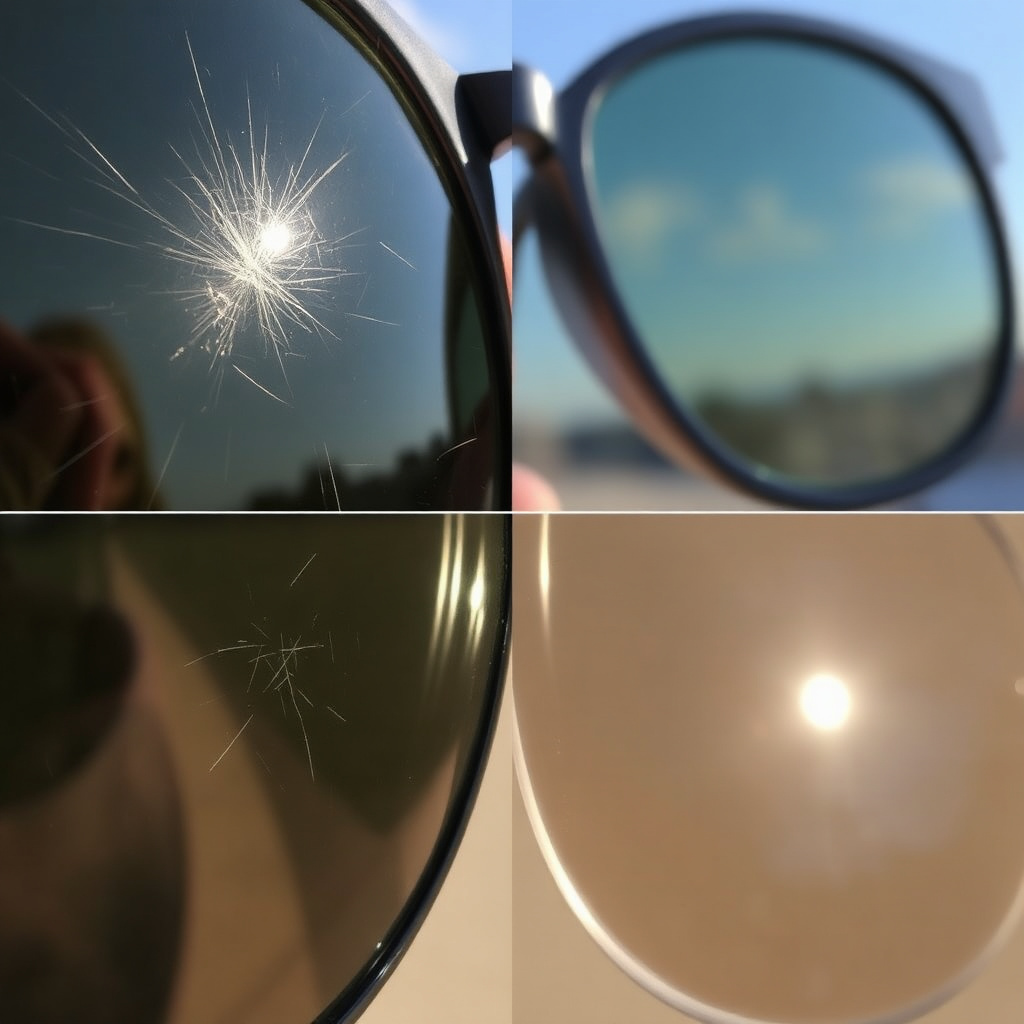
Removing scratches from sunglasses can be done using several effective techniques that restore the lenses’ clarity and appearance. Common solutions include using toothpaste, baking soda, or specialized lens repair kits. These methods often reduce or eliminate minor scratches without damaging lens coatings.
Scratches on sunglasses can significantly impair vision and reduce enjoyment when wearing them outdoors. Instead of immediately purchasing new lenses, addressing scratches yourself saves cost and extends the life of your sunglasses. Understanding which method suits your sunglasses’ lens type and the scratch severity matters to avoid further damage.
This article will outline various ways to remove scratches from sunglasses safely, including household remedies and commercial products. It will also explore preventing future scratches and when professional repair might be necessary.
Understanding Sunglasses Lenses and Scratches
Common Lens Materials and Coatings
Sunglasses lenses are generally made from polycarbonate, glass, or plastic, often with anti-reflective or scratch-resistant coatings. Polycarbonate is lightweight and impact-resistant but can scratch more easily than glass. The coatings help protect lenses but may wear off with abrasive treatment.
Identifying your lens material is important before trying any scratch removal approach, as some techniques can damage coatings or delicate surfaces. Glass lenses tolerate polishing better than plastic ones, which are softer and require gentler methods.
- Polycarbonate: lightweight, impact-resistant, softer surface
- Glass: heavier, scratch-resistant, fragile
- Coatings: anti-reflective, UV protection, scratch-resistant layers
Types and Severity of Scratches
Light surface scratches affect appearance but not vision significantly, while deep scratches may distort your view and reduce UV protection. Some scratches scatter light, creating glare or blurriness.
Assessing scratch depth helps choose removal methods. Very deep scratches might require professional polishing or lens replacement, whereas minor abrasions respond well to at-home treatments.
DIY Methods to Remove Scratches from Sunglasses
Using Toothpaste for Minor Scratches
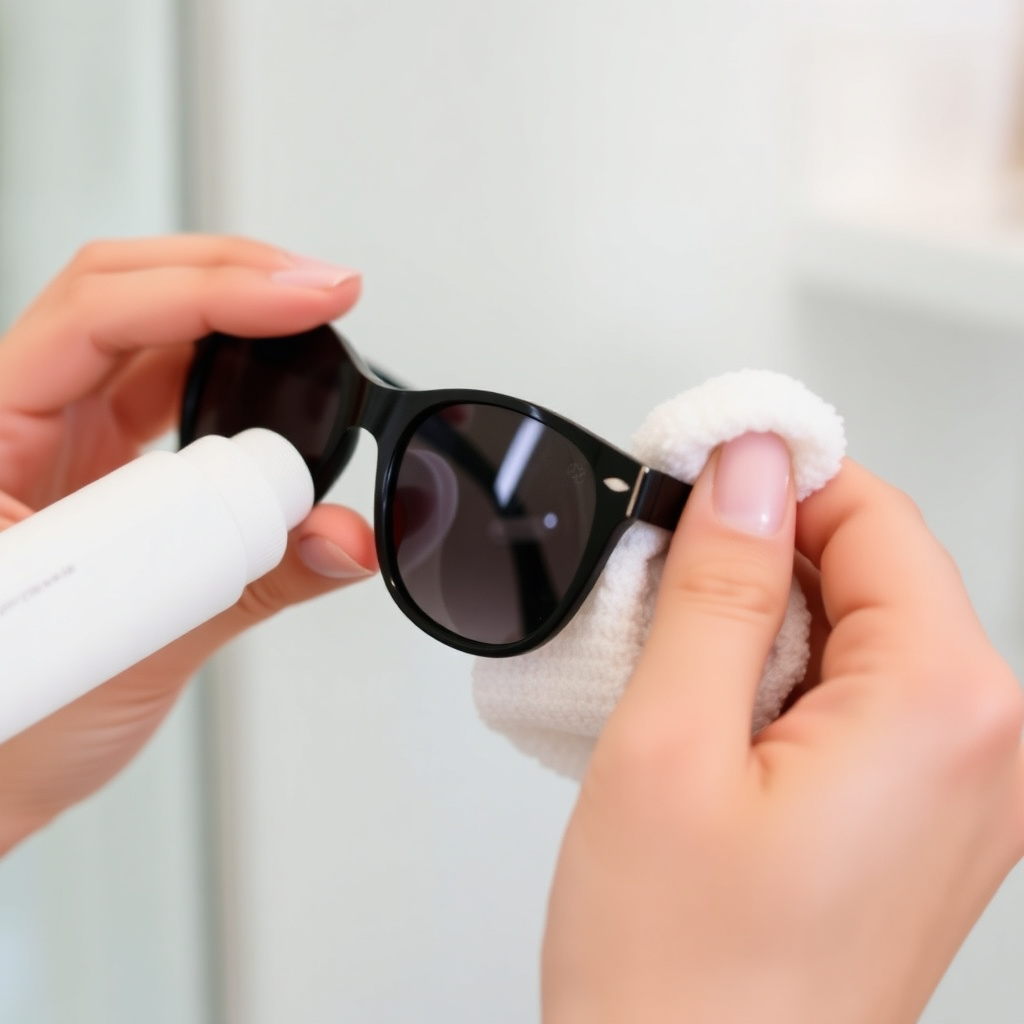
Non-gel toothpaste with mild abrasives can gently polish out shallow scratches. Apply a small amount on a soft microfiber cloth and rub in circular motions over the scratch for about 10-20 seconds, then rinse with cool water.
Avoid whitening or gritty toothpaste varieties, which could cause more damage. This method works best on plastic lenses and light scratches but can degrade coatings if overused.
- Use non-abrasive, non-gel toothpaste
- Rub gently in circular motions
- Rinse thoroughly and dry with microfiber cloth
Baking Soda Paste Treatment
A paste made with baking soda and water acts as a mild abrasive to buff out scratches similarly to toothpaste. Mix equal parts and gently apply with a soft cloth in circular motions before rinsing.
This remedy is safe for most plastic lenses but should be tested on a small area first. Excessive rubbing or pressure risks worsening surface damage.
- Mix 1:1 baking soda and water
- Apply gently with microfiber cloth
- Rinse and dry thoroughly
Commercial Products for Scratch Removal
Lens Scratch Repair Kits
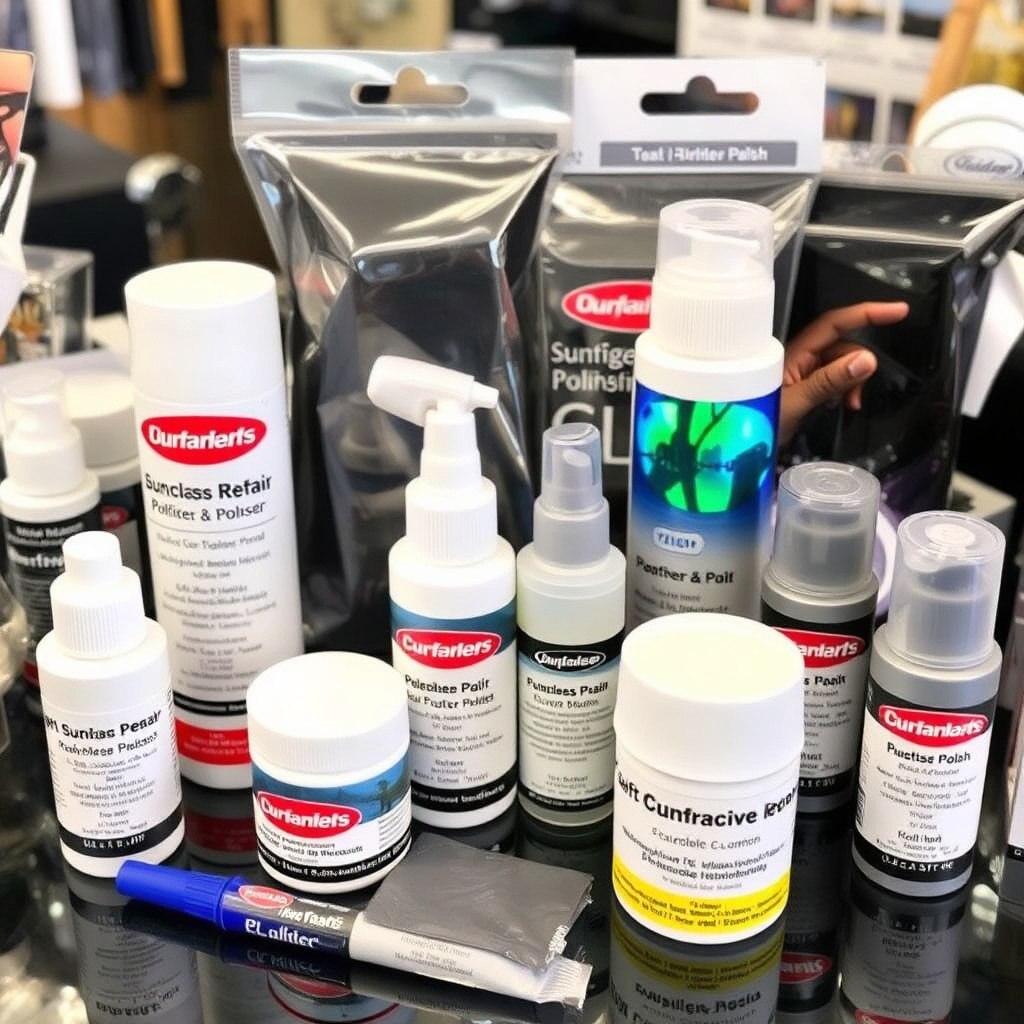
Many brands offer scratch repair kits specifically formulated for sunglasses and eyeglasses. These kits typically include polishing compounds and microfiber cloths designed to safely reduce scratches.
Follow manufacturer instructions closely, as some kits require polishing machines or multiple steps. These can be more effective than home remedies for moderate scratches and preserve lens coatings.
- Contains lens-safe polishing compound
- Comes with application cloth
- Can address moderate scratches
UV-Protective Scratch Filler Solutions
Some commercial products fill in scratches with transparent compounds that harden and restore lens smoothness. These fillers improve appearance temporarily but don’t truly remove scratches.
Such solutions are quick fixes and not substitutes for permanent repair. They’re useful if you need to reduce visible damage before professional servicing.
- Transparent filler compound
- Easy application
- Temporary improvement only
Preventing Future Scratches on Sunglasses
Proper Cleaning Techniques
The best way to clean sunglasses lenses is with a microfiber cloth and lens cleaner formulated for eyewear. Avoid paper towels, clothing, or harsh household cleaners which can scratch or strip coatings.
Rinse lenses under lukewarm water before wiping to remove dust or grit that could cause scratches. Gentle cleaning prolongs lens life and maintains clarity.
- Use microfiber cloths only
- Rinse lenses before wiping
- Use lens-safe cleaners
Storage and Handling Tips
Storing sunglasses in a hard protective case when not in use prevents accidental scratches from keys, coins, or rough surfaces. Always put sunglasses on and remove them gently by the temples rather than grabbing lenses.
Avoid placing sunglasses lens-down on surfaces and keep them out of direct sunlight or extreme heat to preserve coatings.
- Keep sunglasses in hard cases
- Handle by the frames, not lenses
- Avoid lens-down contact
When to Seek Professional Repair or Replacement
Professional Lens Polishing Services
Opticians and eyewear specialists offer professional polishing that removes deeper scratches without damaging lens coatings. This service uses specialized buffing tools and materials not available for home use.
Professional polishing yields better results for severe scratches, restoring clarity and extending sunglass life. However, it requires specialized equipment and may cost more than DIY methods.
- Uses high-grade polishing tools
- Better for deeper scratches
- Usually performed by eye care professionals
When Replacement Lenses Are Necessary
Replacement becomes the best option if scratches are too deep or widespread, affecting vision or lens coatings. Many sunglass brands offer lens replacements to fit existing frames, saving cost compared to buying new sunglasses.
Consider replacement if lens damage is irreversible and impacts your eye safety or comfort, especially for prescription or polarized lenses.
- Significant vision impairment by scratches
- Damaged coatings beyond repair
- Manufacturer lens replacement programs
Additional Tips and Myths About Scratch Removal

Avoiding Harmful DIY Approaches
Popular home remedies like using car wax, nail polish, or glass etching cream can cause irreversible damage and should be avoided. Harsh chemicals strip coatings and scratch lenses further.
Stick to proven, lens-safe methods and test any product on a small area first to minimize risk.
- Do not use car wax or nail polish
- Avoid abrasive household chemicals
- Test on a small, concealed area first
For more detailed information on different sunglass lens materials and maintenance, visit this informative resource. sunglass lens materials and care.
How Effective Are Scratch Removal Methods?
Not all scratches can be completely removed; many treatments reduce visibility to an acceptable level but don’t restore lenses perfectly. Effectiveness depends on scratch depth and lens material.
At-home methods best treat minor surface damage, while professional services improve more serious defects. Keep expectations realistic about results.
Comparison of Scratch Removal Methods for Sunglasses
Here’s a breakdown of popular scratch removal options to help you evaluate their suitability, cost, and effectiveness based on scratch severity and lens type.
| Method | Best For | Cost | Effectiveness | Risk to Coating |
|---|---|---|---|---|
| Toothpaste | Light scratches on plastic lenses | Low | Moderate | Medium |
| Baking Soda Paste | Minor scratches on plastic lenses | Low | Moderate | Low |
| Commercial Repair Kits | Moderate scratches | Medium | High | Low |
| Scratch Filler Solutions | Temporary fixes for visible scratches | Medium | Low (temporary) | Low |
| Professional Polishing | Deep scratches on glass or polycarbonate | High | Very High | Low |
| Lens Replacement | Severe scratches or coating damage | High | Complete | None |
Frequently Asked Questions
Can I remove scratches from polarized sunglass lenses?
Polarized lenses often have special coatings that can be damaged by abrasive methods. Use gentle scratch removal techniques like commercial kits designed for polarized lenses or seek professional services to avoid damaging the polarization.
Is it safe to use toothpaste on all sunglasses?
No, toothpaste should only be used on plastic lenses without specialized coatings, and only non-gel, non-whitening types. Avoid it on glass or coated lenses, as it may cause further damage.
How often can I safely use home remedies for scratch removal?
Limit home scratch removal treatments to occasional use for minor scratches. Frequent abrasive cleaning risks wearing down coatings and making lenses more vulnerable.
Do scratch fillers provide permanent lens repair?
Scratch fillers are temporary cosmetic solutions that improve appearance but don’t fix the scratch itself. They are not substitutes for professional polishing or lens replacement.
When should I replace my scratched sunglasses instead of repairing them?
Replace sunglasses if scratches impair vision or compromise UV protection significantly, or if coatings are heavily damaged. Also, replacement is advisable when repair costs approach new lens prices.
Key Takeaways
- Mild abrasives like toothpaste and baking soda can reduce light scratches on plastic lenses.
- Commercial kits offer safer, more effective scratch removal for moderate damage.
- Proper cleaning and storage prevent many scratches and prolong lens life.
- Deep scratches often require professional polishing or lens replacement for best results.
Conclusion
Deciding how to remove scratches from sunglasses involves understanding the scratch severity and lens material. Light surface scratches may respond well to DIY methods like toothpaste or baking soda paste, which gently polish minor abrasions. Moderate scratches benefit from commercial repair kits designed for lens safety, ensuring coating preservation. For deeper damage, professional polishing is the most reliable way to restore clarity without risking further harm. When scratches extensively impair vision or damage coatings, lens replacement is the most effective solution. Balancing cost, convenience, and risk helps you choose the best path for your sunglasses’ condition.
For everyday scratch removal, start with mild at-home treatments such as non-abrasive toothpaste on plastic lenses. If the scratches persist or are more prominent, explore commercial repair kits that come with specially formulated compounds and microfiber cloths. These products usually provide superior outcomes while maintaining lens coatings. For those who wear polarized or prescription sunglasses, professional polishing services offered by eyewear specialists can address more serious scratches safely. If your sunglasses have significant lens damage affecting UV protection or vision, check if the brand offers replacement lenses to maintain your frame and lens quality without the expense of a new pair.
Moving forward, practice proper cleaning habits using a soft microfiber cloth and lens-safe cleaner, and store sunglasses in hard protective cases to minimize scratch risks. Experiment cautiously with DIY methods, testing a small lens area first, and consider professional help or replacement when scratches worsen. Preserving your sunglasses will extend their usefulness and keep your vision clear outdoors. Taking these practical steps empowers you to maintain your eyewear effectively and confidently.