How do you Tell if Sunglasses Are Polarized: Simple Tests and Tips
Discover how to tell if sunglasses are polarized with easy tests and expert tips for the best protection and visual clarity.
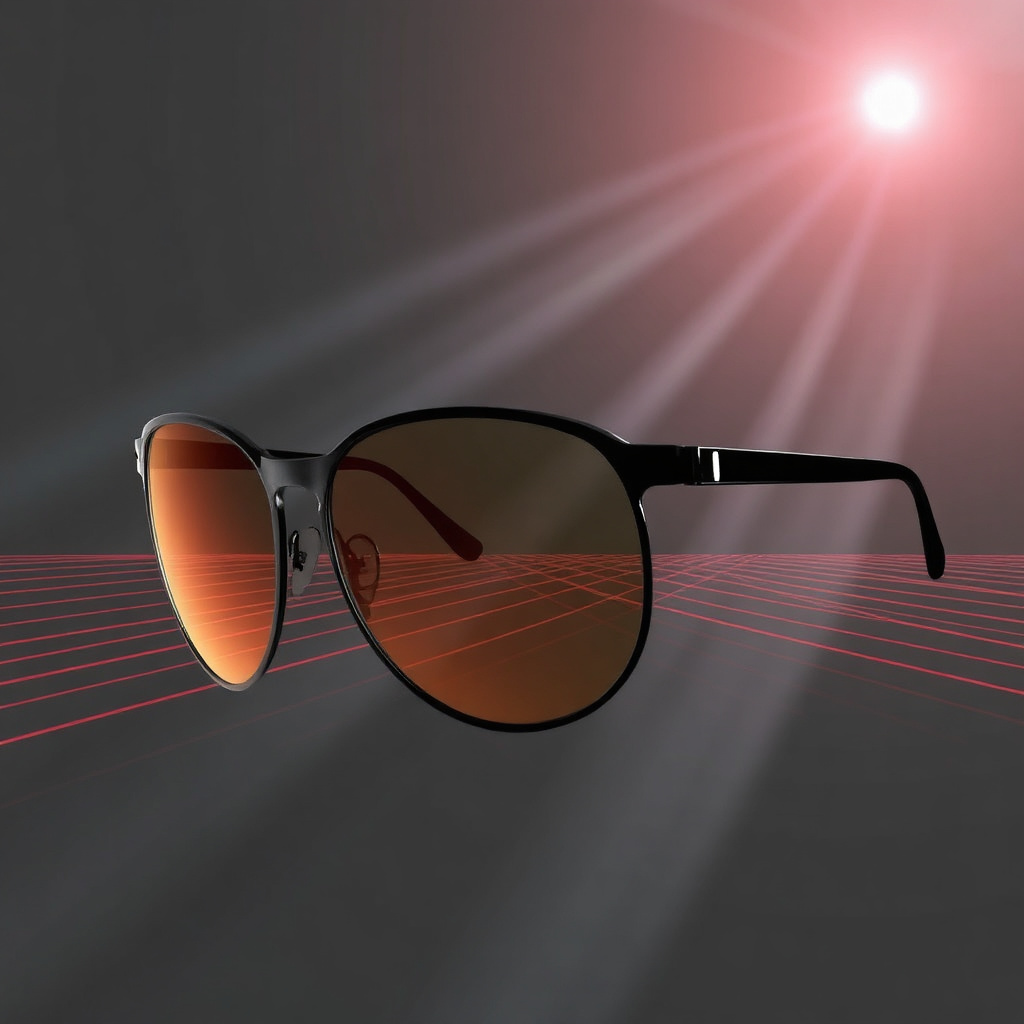
To find out if sunglasses are polarized, you can perform several simple tests right at home. One effective method is to look at a reflective surface or LCD screen with the glasses on and then rotate the sunglasses slowly. If the glare or reflected light dims or changes significantly, the lenses are polarized. Another common test involves overlapping two pairs of polarized lenses and rotating one; the view becomes nearly opaque when aligned at certain angles due to light filtering.
Understanding whether sunglasses are polarized matters because polarized lenses reduce glare from reflective surfaces like water, roads, and glass, which not only improves visual comfort but also enhances safety. This is especially valuable during activities such as driving, fishing, or skiing, where glare can cause eye strain or impair vision. How do you Tell if Sunglasses Are Polarized.
In this article, we will cover what polarization means, simple at-home tests to identify polarized lenses accurately, the advantages polarized sunglasses offer, and tips on choosing the right pair for your needs. You’ll also learn how polarization works chemically and optically inside the lenses.
What Polarization Means in Sunglasses
The Science Behind Polarization
Polarization refers to filtering light waves to allow only specific orientations to pass through. Sunglasses with polarized lenses block horizontal light waves, which are primarily responsible for glare. This selective filtering improves visual clarity and reduces eye discomfort from bright reflections.
Manufacturers achieve this by embedding a special chemical film inside the lens that absorbs horizontal light waves while letting vertical waves pass. This technique is different from regular tinted lenses, which only reduce brightness but don’t eliminate glare.
How Polarized Lenses Enhance Vision
The main benefit of polarization is stripping away reflected glare from surfaces such as water, pavement, or car hoods, giving a clearer and more comfortable view. This makes details stand out better and reduces the chances of squinting or eye fatigue.
As a result, polarized sunglasses not only improve comfort but also help with safety, especially for drivers, anglers, and outdoor enthusiasts who need optimal vision under challenging light conditions.
Simple At-Home Tests to Detect Polarized Sunglasses
The Reflective Surface Rotation Test
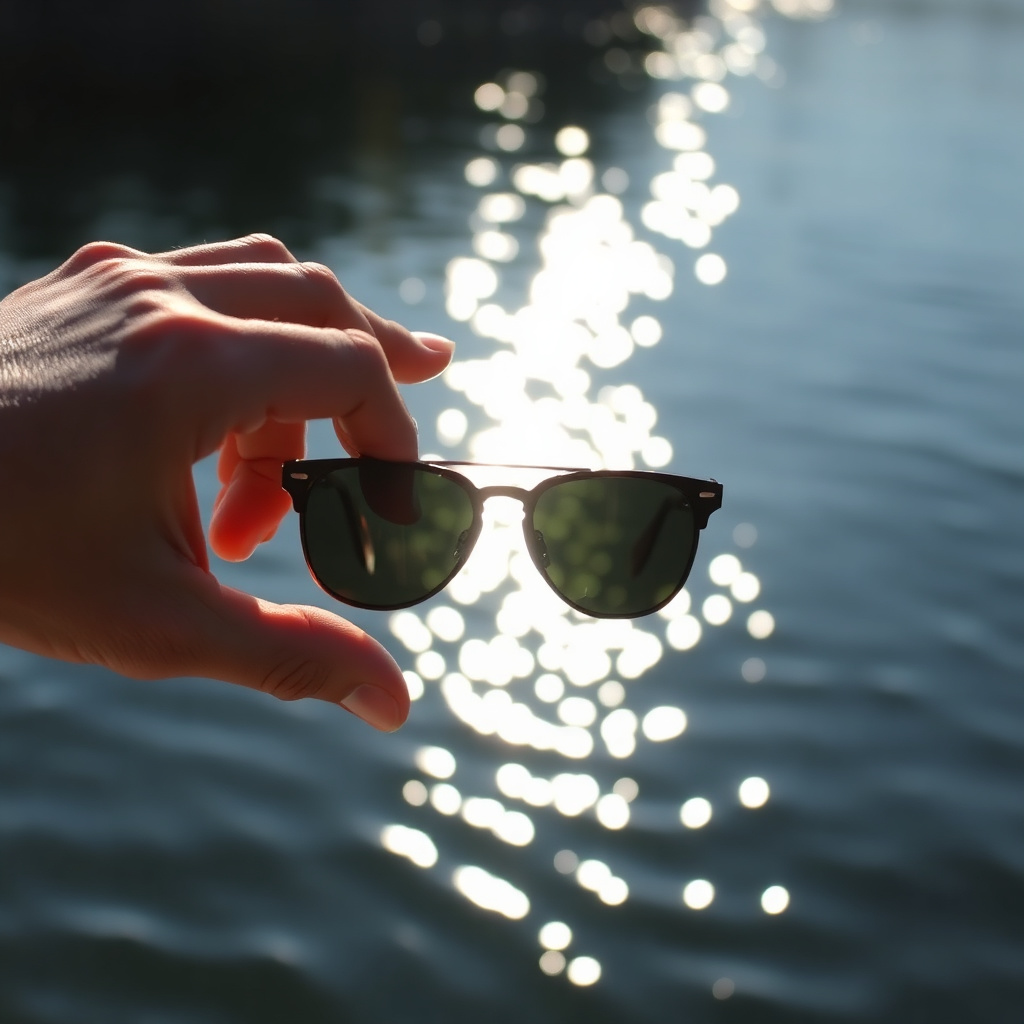
Hold your sunglasses in front of a reflective surface such as a car hood, water, or a glass window. Look through the lenses and slowly rotate the glasses horizontally. If the glare or reflections significantly fade or darken as you turn the lenses, they are polarized.
This happens because polarized lenses filter the horizontal light waves reflecting off shiny surfaces, making the glare disappear as you rotate to the appropriate angle.
- Use a flat, reflective surface for best results
- Rotate sunglasses slowly to fully notice glare reduction changes
- Repeat test in different lighting conditions
The LCD Screen Test
Look at an LCD screen of a smartphone, tablet, or calculator through your sunglasses. Then tilt or rotate the sunglasses. Polarized lenses will cause the screen brightness to change, often becoming very dark or almost completely black at certain angles.
This test works because polarized lenses block certain polarized light waves emitted by LCD screens, revealing their polarization effect.
- Use an LCD device with a bright background for best visibility
- Tilt sunglasses vertically and horizontally to see brightness changes
Advantages of Polarized Sunglasses

Reduced Glare and Enhanced Visual Comfort
By cutting down intense glare, polarized sunglasses make it easier to spot details and reduce squinting. This directly reduces eye strain and fatigue, letting you enjoy outdoor activities longer and with less discomfort.
This is particularly noticeable on sunny days by the water, on snowy slopes, or while driving with reflective road surfaces, where glare can be blinding or distracting.
Improved Safety and Color Perception
Polarized lenses help distinguish traffic signals, signs, and road hazards more clearly, contributing to safer driving and outdoor recreation. They also improve color contrast to present more vivid and accurate colors, helping you perceive the environment better.
For athletes or anyone who relies on sharp vision, this enhancement in visual perception can improve performance and reduce risks.
Choosing the Right Polarized Sunglasses
Lens Material and Coatings
Polarized lenses come in materials like polycarbonate, glass, or plastic, each offering different levels of clarity, impact resistance, and weight. Additional coatings such as anti-reflective, scratch-resistant, or UV protection can enhance durability and comfort.
Choosing lenses with built-in UV protection ensures your eyes are shielded from harmful rays, complementing the benefits of polarization.
- Polycarbonate is lightweight and impact-resistant
- Glass offers superior optical clarity but is heavier
- Look for 100% UV protection along with polarization
Frame Style and Fit Considerations
The frame style affects how well sunglasses block peripheral light as well as their comfort and suitability for different activities. Wrap-around frames provide more coverage and are favored for sports, while classic shapes suit casual wear.
Proper fit ensures the lenses sit correctly in front of your eyes, maximizing the polarized effect and overall eye protection.
- Wrap-around frames reduce side glare
- Lightweight frames improve all-day comfort
- Adjustable nose pads help secure the fit
Common Misconceptions About Polarized Sunglasses
Polarization Does Not Equal Darker Lenses
Many believe polarized sunglasses are always darker, but polarization is about glare reduction, not tint darkness. Polarized lenses can come in various shades or colors, with polarization working independently from how dark the lens is.
This means you can have lightly tinted polarized glasses that still effectively reduce glare.
Polarized Sunglasses Are Not Ideal for All Screens
While polarization reduces glare, it can sometimes distort the visibility of LCD screens such as dashboard instruments or some phone displays. This can be a drawback in certain situations where screen readability is critical.
However, many models balance these issues with lens coatings and are still excellent choices for general outdoor use.
Caring for Polarized Sunglasses
Cleaning and Storage Tips
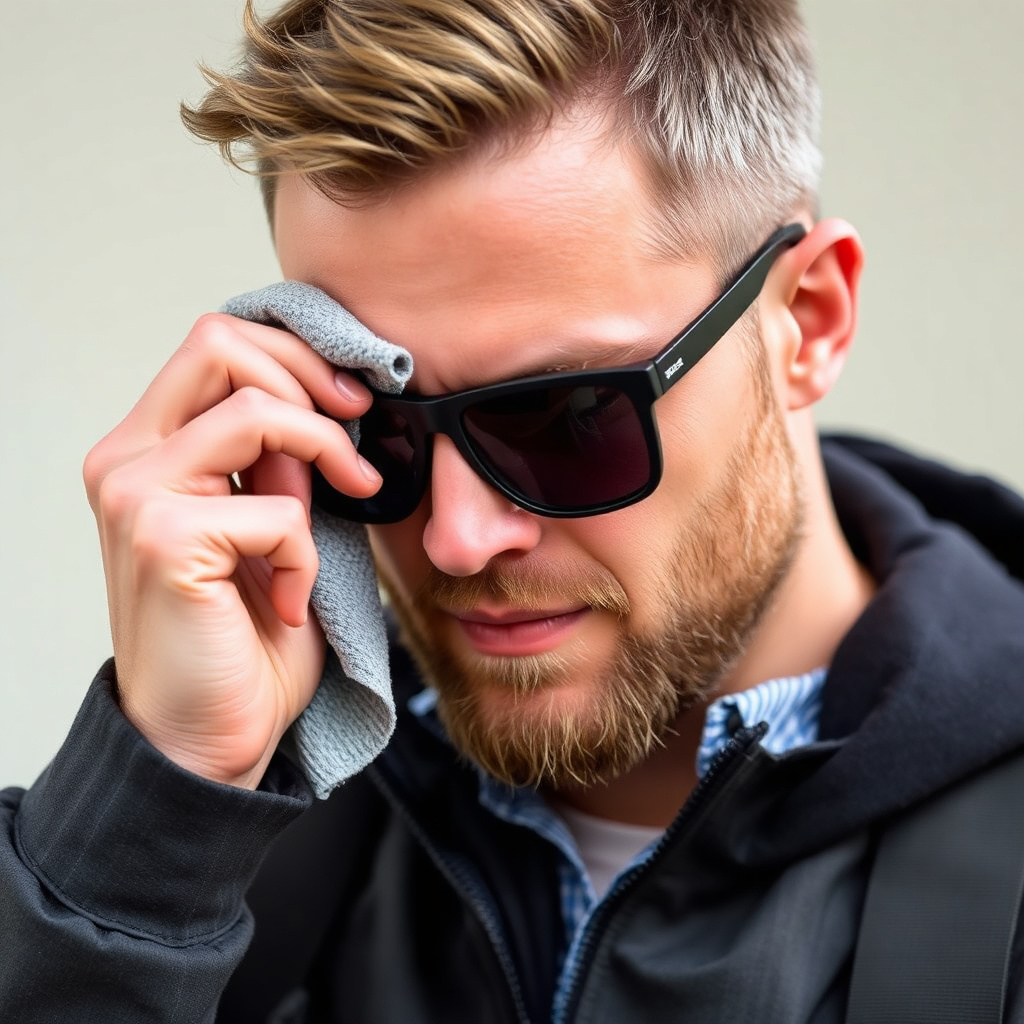
To maintain lens clarity and polarization effects, clean your sunglasses with a microfiber cloth and lens cleaner specifically designed for coated lenses. Avoid rough materials that can scratch the polarization layer.
Store sunglasses in a protective case when not in use to prevent damage from drops or scratches.
- Use lens-specific cleaners or mild soap with water
- Avoid paper towels or clothing to clean lenses
- Store in hard case to protect polarization layer
For more detailed technical information about polarization and sunglasses, the Polarized Sunglasses Wikipedia page is a reliable resource. Polarized Sunglasses Wikipedia page.
When to Replace Polarized Sunglasses
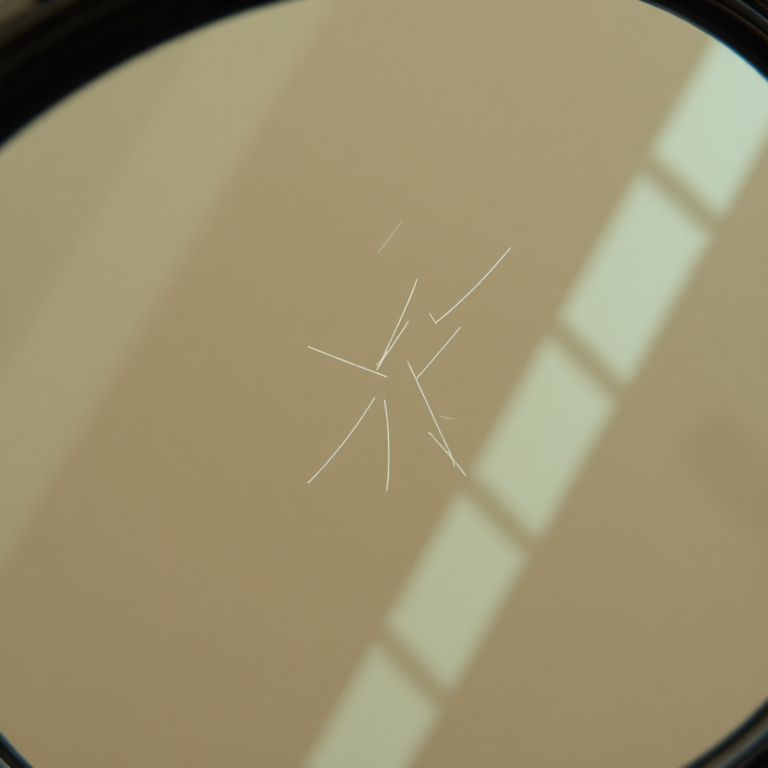
If lenses become scratched or the polarization effect diminishes, vision quality and glare reduction will suffer. Heavy wear, exposure to chemicals, or long-term sunlight can degrade polarization films over time.
Replace sunglasses if you notice increased glare sensitivity or difficulty seeing through the lenses clearly.
- Replace when scratches affect vision
- Consider new pair every 1-2 years with frequent use
Polarized Sunglasses Category Comparison
Compare popular polarized sunglasses categories by lens material, price, durability, and typical uses to find your best option.
| Category | Lens Material | Price Range | Durability | Best For |
|---|---|---|---|---|
| Affordable Polarized | Plastic | $20 – $50 | Moderate | Casual use, driving |
| Mid-Range Polarized | Polycarbonate | $50 – $150 | High impact resistance | Sports, fishing |
| Premium Polarized | Glass | $150 – $300+ | Excellent clarity, heavier | Outdoor professionals |
| Wrap-Around Sports | Polycarbonate | $80 – $200 | High durability, secure fit | Cycling, running |
| Fashion Polarized | Plastic or mixed | $75 – $200 | Varies based on frame | Everyday wear |
Frequently Asked Questions
Can I tell if sunglasses are polarized without special equipment?
Yes, simple tests like looking at a reflective surface or LCD screen and rotating the lenses can reveal if they are polarized by observing glare reduction or screen darkening.
Do polarized sunglasses protect against UV rays?
Polarization filters glare but doesn’t guarantee UV protection. Check for 100% UVA and UVB protection on sunglasses to ensure full eye safety.
Are polarized lenses suitable for night driving?
Polarized lenses are generally not recommended for night driving because they can reduce visibility by blocking light reflections that are useful in low-light conditions.
How long do polarized sunglasses last before losing their effect?
With proper care, polarized sunglasses can last several years, but exposure to scratches, impacts, or harsh chemicals can degrade the polarization layer over time.
Can all tinted sunglasses be polarized?
No, not all tinted sunglasses are polarized. Polarization is a specific lens technology that may or may not be combined with tinting.
Key Takeaways
- Polarized sunglasses reduce glare by filtering horizontal light waves.
- Simple rotation tests against reflective surfaces or LCD screens reveal polarization.
- Polarized lenses improve visual comfort and safety during many outdoor activities.
- Proper lens material and fit enhance the effectiveness of polarized sunglasses.
Conclusion
Identifying whether your sunglasses are polarized boils down to understanding that polarization filters glare-causing light waves and improves visual clarity under bright conditions. The easy rotation tests described here provide straightforward ways to confirm polarization without specialized tools. Combining this knowledge with awareness of lens materials and coatings helps in making better purchasing and maintenance decisions over time.
For everyday use where glare reduction is desired, affordable polarized sunglasses with polycarbonate lenses offer a good balance of price, durability, and optical clarity. Outdoor enthusiasts and professionals might opt for premium glass polarized lenses or wrap-around sports designs to get added durability and coverage in challenging environments. Each category caters to specific needs, so selecting based on primary activities maximizes benefits.
Once you know how to tell if sunglasses are polarized, you can confidently select models that protect your vision comfortably while enhancing contrast and color perception. Regular care, cleaning, and timely replacement keep your polarized lenses functioning well. Start by trying the simple polarization tests at home to distinguish between polarized and standard tinted sunglasses before making your next eyewear purchase.